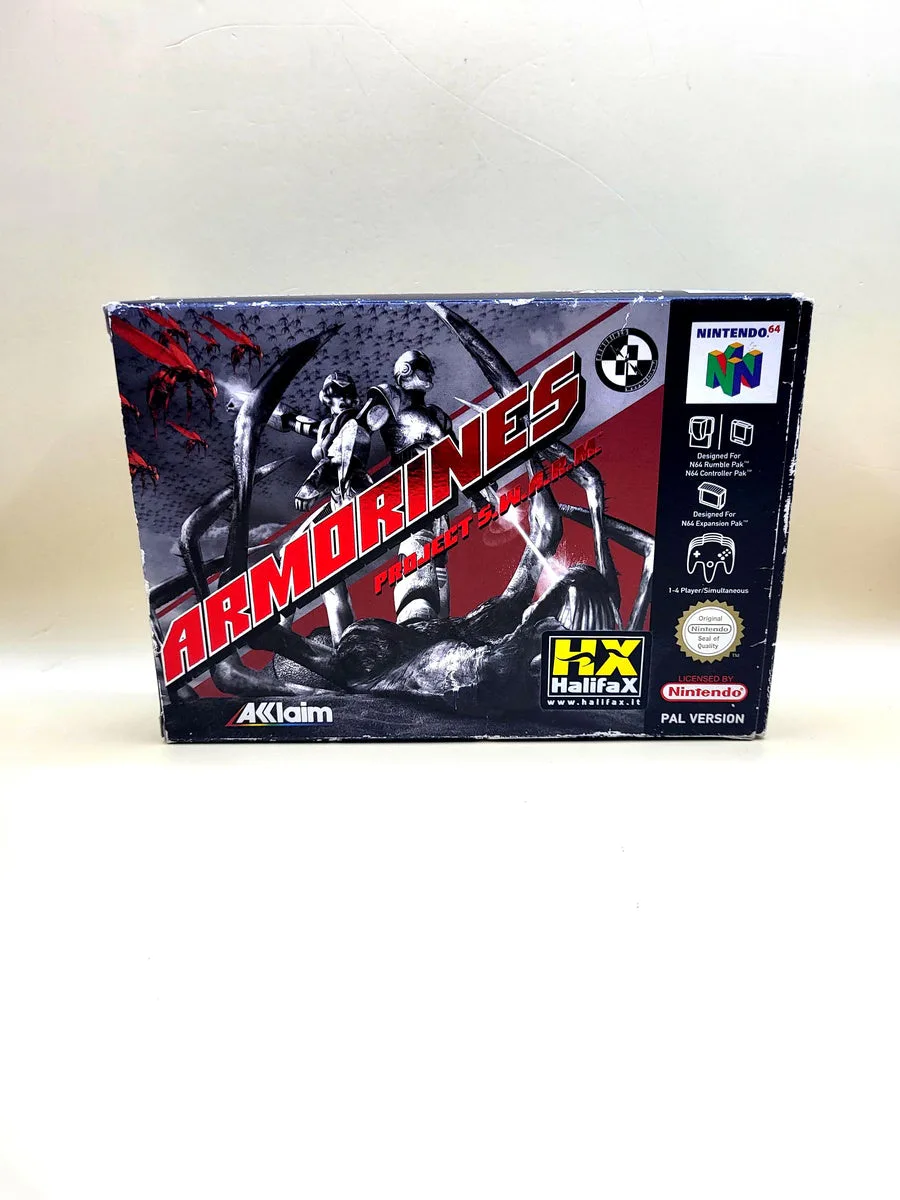
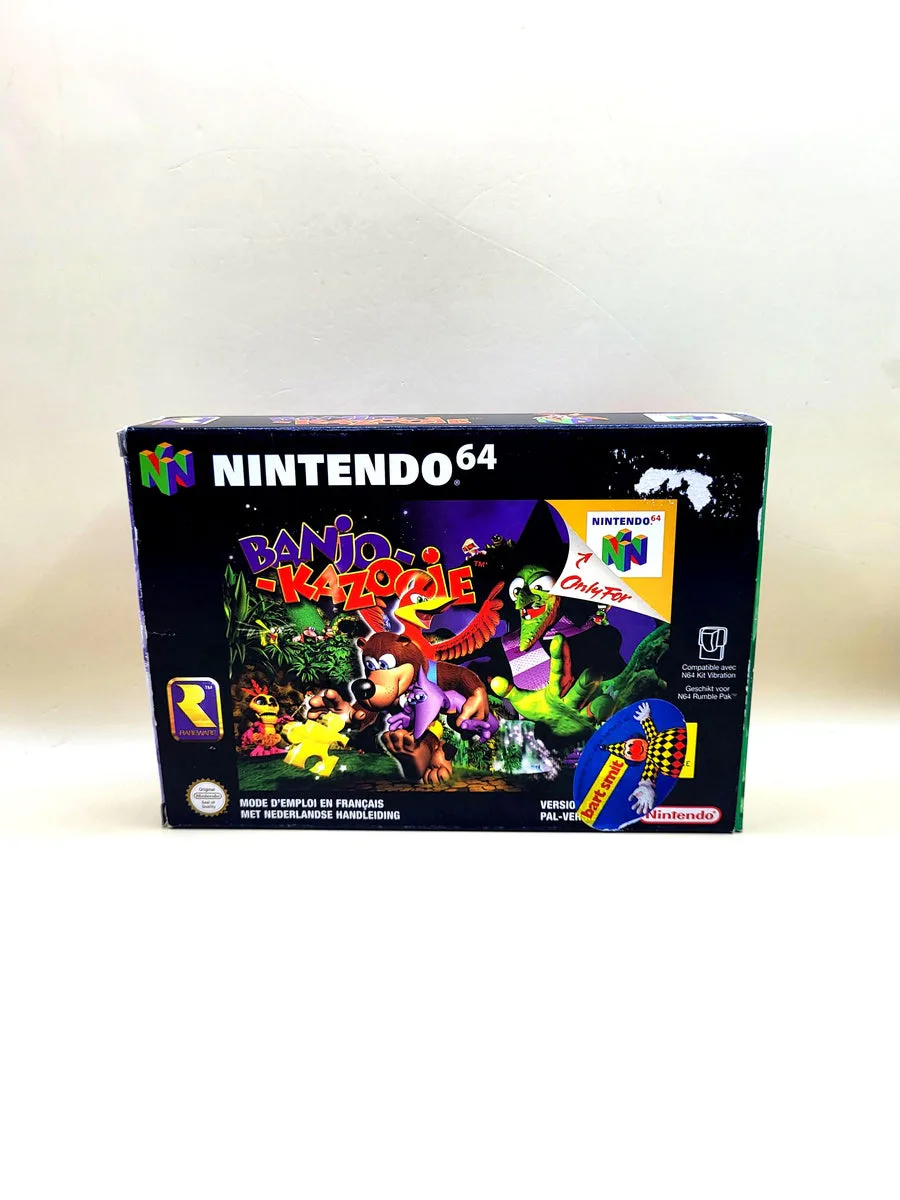
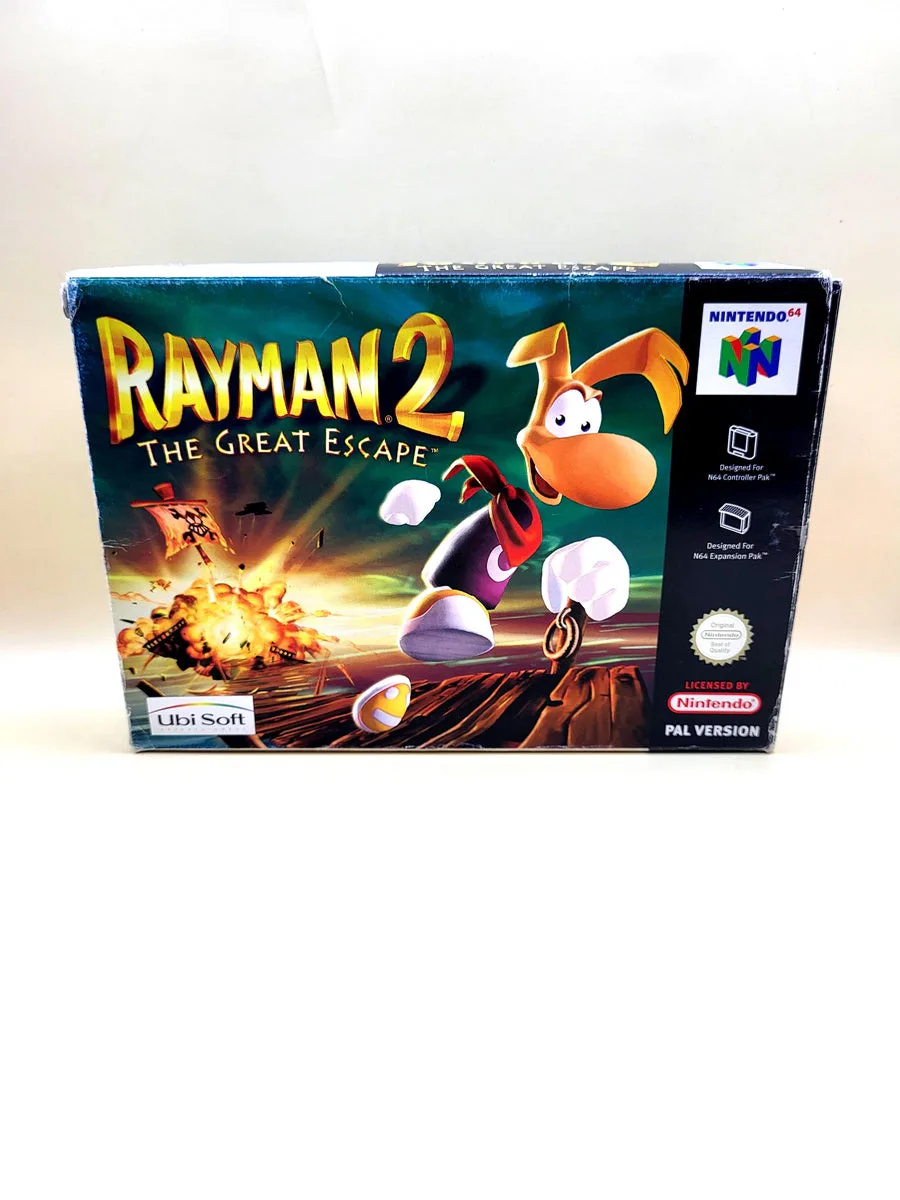
This product is like new. At NexWave Games, like new means:
Additionally, all discs at NexWave Games are carefully inspected and assessed for quality. When discs arrive, we do not accept any that are so badly damaged that they are unlikely to work. We only accept discs with light scratches at most. Discs with scratches are then treated in our professional disc repair machine. By warming the disc and polishing it with soft brushes, these machines can remove a very thin layer from the disc. This removes the layer containing surface scratches and improves the disc’s readability. This ensures the disc works properly, even on consoles with ageing lasers that have difficulty reading games! Great news for the player.
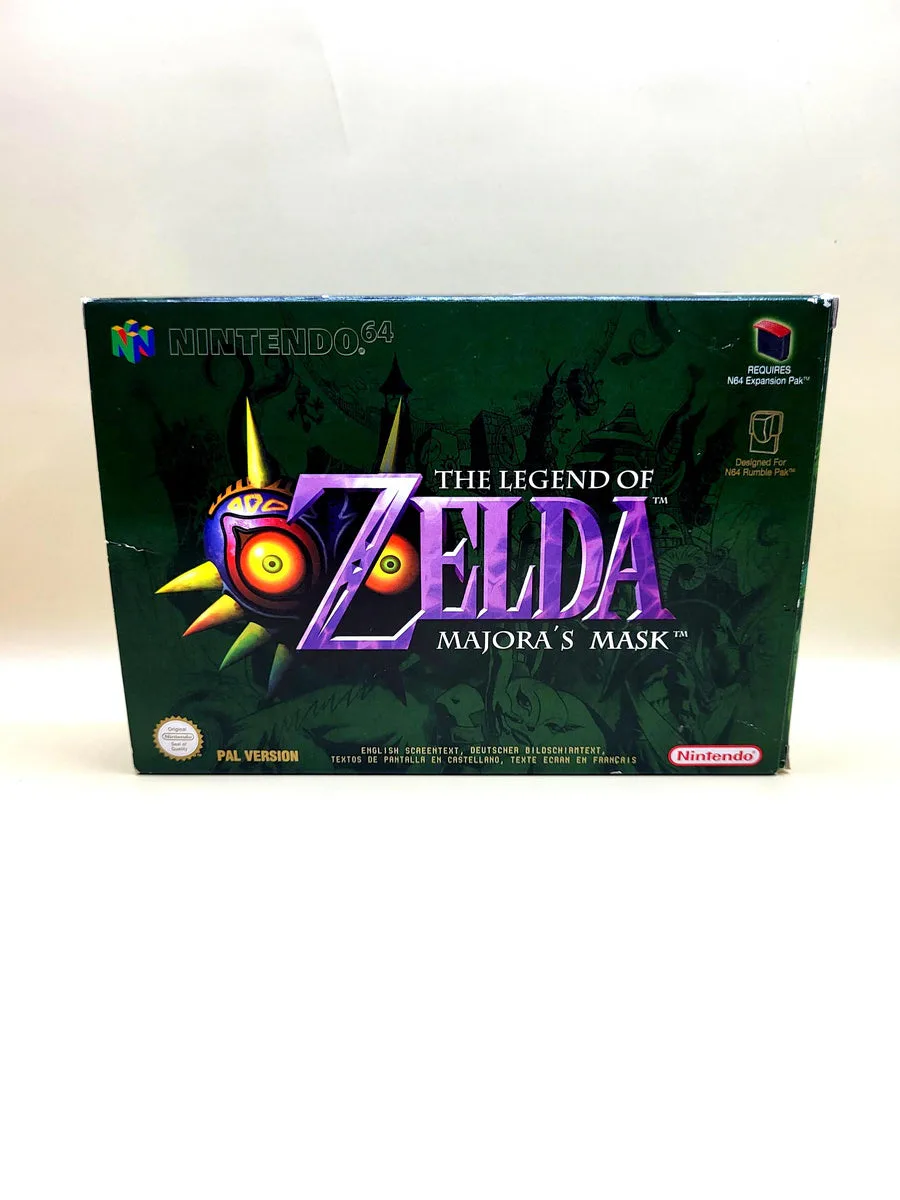
The Legend of Zelda: Majora's Mask for Nintendo 64
The Legend of Zelda: Majora's Mask for Nintendo 64 takes Link to Termina, where the moon will crash down in three days. From Clock Town, you travel to swamps, snowy mountains, the coast and abandoned ruins. You fight with your sword, target with the Z Button and solve dungeon puzzles using items you find. Meanwhile, the clock keeps running. Residents follow their own daily routines, so missing an appointment sometimes means returning in another cycle.
The Song of Time returns you to the morning of the first day. Important items, masks and learnt melodies are retained, but many events and consumable supplies are reset. You therefore learn what preparation is needed to complete a temple or a resident's story within one cycle. The Bombers' Notebook helps you remember appointments. Masks also give Link different capabilities: as a Deku he can fly from flowers, as a Goron he can roll, and as a Zora he can swim.
This is a single-player adventure, and a Nintendo 64 Expansion Pak is required. In this original version, the Song of Time saves progress when resetting time. An owl statue provides a temporary interrupt save that is deleted after you resume. The permanent save points and other changes made for Majora's Mask 3D are not part of this cartridge.
Region and language
Our Nintendo 64 games are PAL editions and come with a Dutch or English box, unless stated otherwise. By default, you receive the version for the European market. We note it in the product details if the region is different or the box is in another language. In almost all cases, the game is playable at least in English, and often in the other five common European languages too.
The Legend of Zelda: Majora's Mask on Nintendo 64 requires an Expansion Pak. This memory expansion fits inside the console and is not the same as a Controller Pak in the controller. The Expansion Pak is not included unless explicitly stated in the product listing.
Manual
The Legend of Zelda: Majora's Mask for Nintendo 64 includes the manual unless the product title states otherwise. If the booklet is missing, the title says “No Manual”. This lets you see before ordering whether the game comes with a manual.
The manuals included with our games usually contain at least English and often around six European languages. The exact languages vary by edition, so Dutch is not always included. The booklet explains the controls and the main rules. You can use it to check how to control the game, which actions are available and how its different features work.
The history of The Legend of Zelda: Majora's Mask
Nintendo EAD made Majora's Mask as the second Zelda adventure for Nintendo 64. Nintendo released it in 2000: in April in Japan and in November in Europe. Eiji Aonuma and Yoshiaki Koizumi shared directing duties. The project used models and parts of Ocarina of Time's game system, but moved the action to Termina. Familiar faces took on different roles there, while the threatening moon and recurring period of time set the adventure's tone.
In Nintendo's developer interview, Aonuma explains that Shigeru Miyamoto wanted a new game made within roughly a year. There had previously been discussions about altered dungeons for another version of Ocarina of Time. Aonuma preferred to design new material. Koizumi brought the idea of a compact world that you repeatedly visit at different moments. The initial week-long plan was reduced to three days, making both the events and the residents' daily activities easier to keep track of.
That constraint became the structure of the finished game. You know a route better after each cycle and can use previously discovered information on your next attempt. The masks add different ways of moving and responding. The Expansion Pak was made compulsory for this N64 release; it is not an optional visual improvement. Nintendo later returned to the adventure with Majora's Mask 3D, changing elements including saving and controls. Here, the original Nintendo 64 time cycle and interrupt-save system remain intact.
Similar games for Nintendo 64
The Legend of Zelda: Majora's Mask uses the same foundation of sword fighting, targeting and item puzzles on Nintendo 64. In Ocarina of Time, you travel between Link's childhood and a world seven years later. Majora's Mask has you repeatedly experience three days in Termina and help residents at specific times. Progress there therefore revolves more often around schedules and masks, while Ocarina spreads its main storyline across a changing Hyrule.
Donkey Kong 64 likewise has you switch abilities to reach new routes on Nintendo 64. There, you revisit areas full of character-specific collectibles with five different Kongs. Majora's Mask uses Link's masked forms within a recurring period of time. You therefore ask not only which ability solves an obstacle, but also when an event takes place and how much time remains until the next morning.
Banjo-Kazooie combines exploration with learning moves and changing forms on Nintendo 64. Both games let you look at a previously visited place through a new ability. Banjo-Kazooie builds its progress mainly around puzzle pieces, musical notes and separate themed areas. Majora's Mask connects many side quests to residents and their daily schedules. The clock gives returning a different meaning there from searching for just one more hidden collectible.
Super Mario 64 asks you to revisit the same world for different objectives on Nintendo 64. You learn its layout and use that knowledge when seeking another star. Majora's Mask rewards that spatial memory too, but adds times of day and night, conversations and appointments. Mario focuses more on jumps and mastering his moves; Link combines combat and dungeons with planning several events within three days.
Paper Mario shares the focus on distinctive inhabitants, local problems and a journey through different regions on Nintendo 64. Partners help Mario during exploration and in turn-based battles. Majora's Mask keeps sword fighting under your direct control and lets Link himself transform using masks. Paper Mario tells its chapters without a continually recurring three-day clock; in Termina, the right conversation at the right hour can determine an entire quest.