
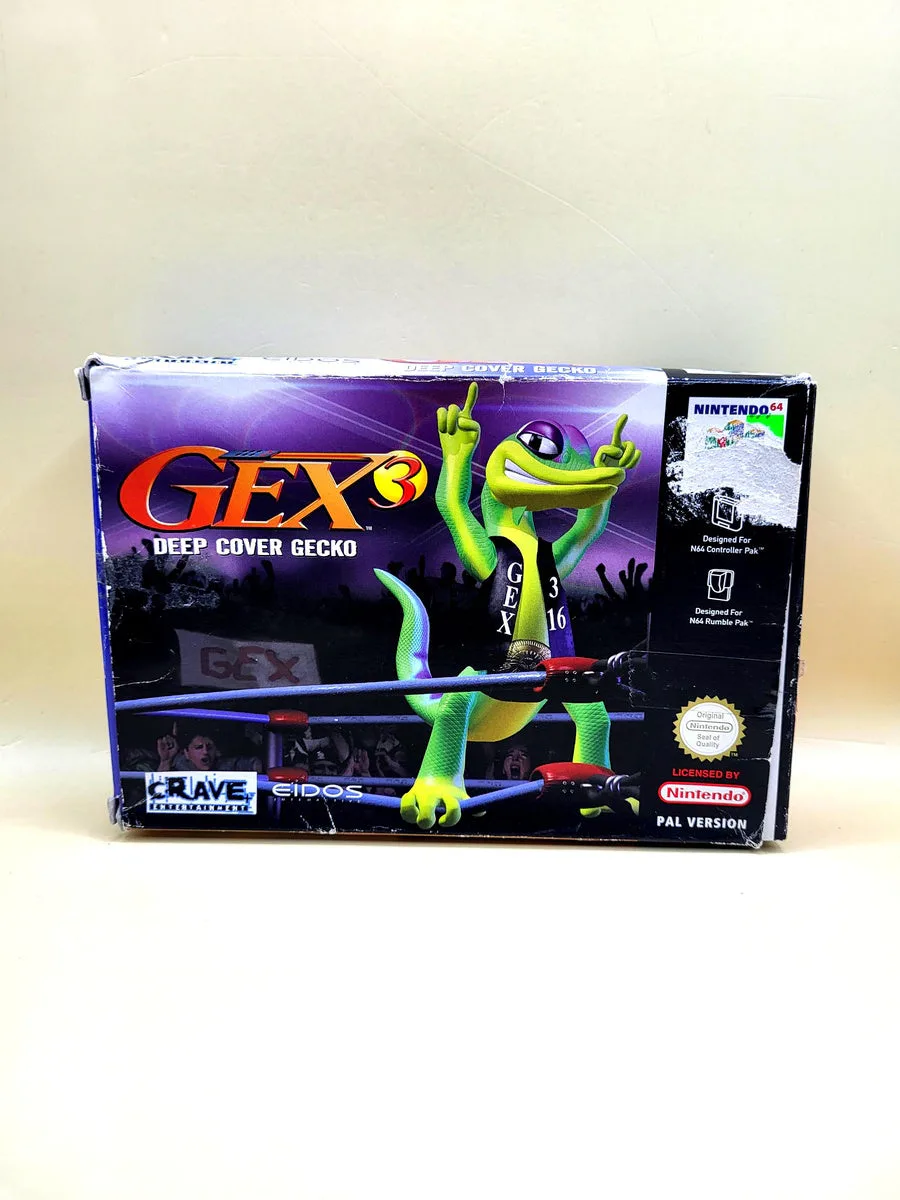
Gex 3 Deep Cover Gecko In Doos (No Manual) - Nintendo 64 - N64
€ 349,99
€ 44,99
In stock
Goed. Lichte labelschade.
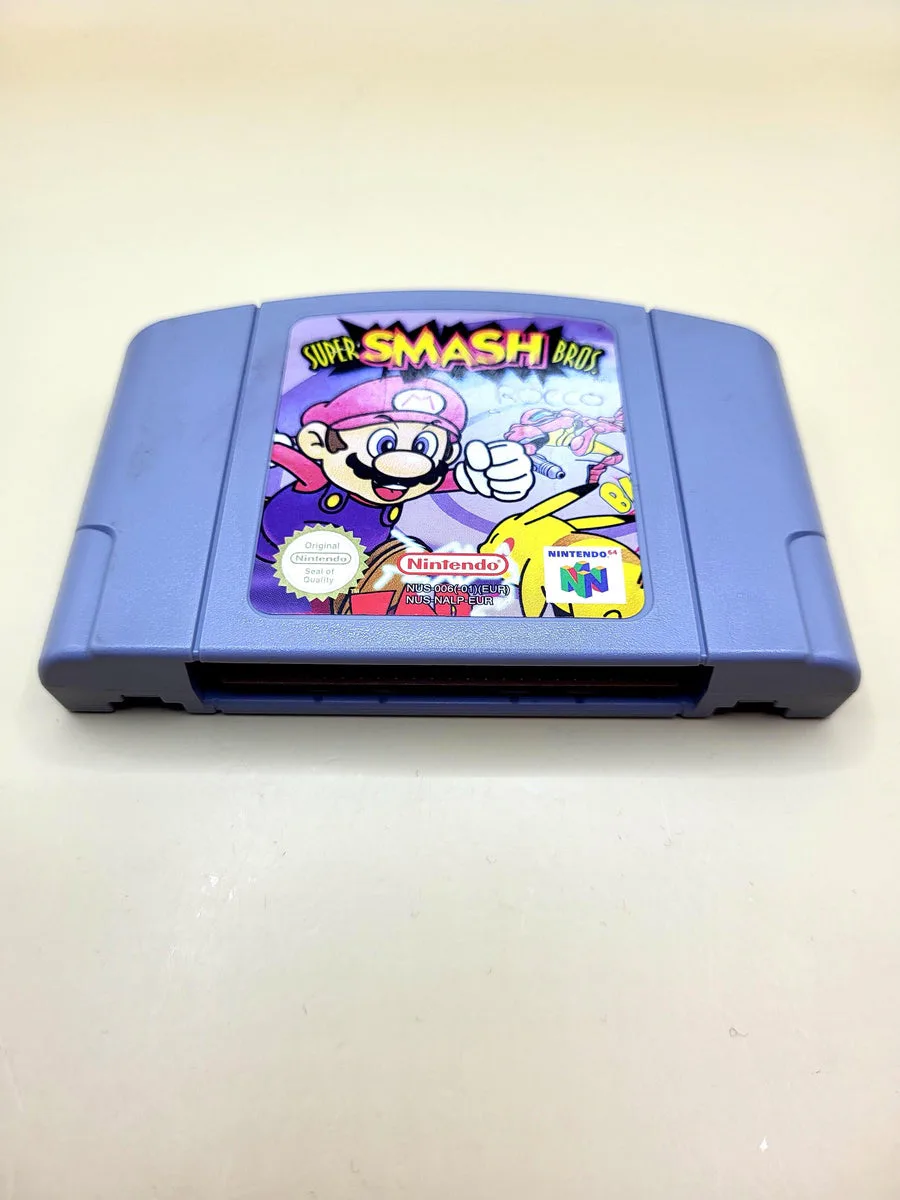
Super Smash Bros. for Nintendo 64 pits Mario, Link, Pikachu and other Nintendo characters against each other in a fighting game with platforms. Rather than emptying a health bar, attacks raise a damage percentage, making an opponent fly farther. You then look for the right moment to knock them out of the arena. You must also return to the edge yourself using jumps and a recovery move. Position and distance from a platform therefore matter just as much as landing a hit.
The direction and speed of your stick movement change your attacks. You can use a shield, grab, roll and strike in the air. The eight starting fighters each have their own traits, and four additional characters can be unlocked. Items such as a hammer, Bob-omb or Poké Ball disrupt battles, while the selected arena adds its own hazards. An unexpected item can change your plan, but a poorly placed jump remains just as decisive.
On your own, you play a sequence of battles with bonus stages, or practise attacks and character-specific challenges. Two to four local players can fight simultaneously on the same screen, each with their own Nintendo 64 controller. Choose a time limit or a fixed stock of lives, and fight individually or in teams. This is the original release, without online battles.
Our Nintendo 64 games are PAL editions, unless stated otherwise. This product contains a loose cartridge for the European market. A box is only included if explicitly stated in the product details. We note any different region in the product details. In almost all cases, the game is playable at least in English, and often in the other five common European languages too.
With Super Smash Bros. for Nintendo 64, you receive a loose cartridge. A box and manual are not included unless we explicitly state otherwise in the product details. This is the standard way we supply this copy.
HAL Laboratory developed Super Smash Bros. under Masahiro Sakurai’s direction, and Nintendo released it for Nintendo 64 in 1999. The series began with a small prototype that did not yet contain Nintendo characters. Sakurai handled tasks including design, movement and graphics, while Satoru Iwata programmed it. Both were also working on other projects, so Iwata did some of the programming at weekends. That first experiment already centred on four fighters at once.
The working title Dragon King: The Fighting Game referred to the area around HAL in Ryuoh, a photograph of which served as the background. Sakurai wanted to create an alternative to existing two-dimensional fighting games, with matches that could unfold differently each time. Familiar Nintendo heroes then gave the fighters distinct identities. Their established moves gained a new role: Kirby could swallow opponents, Link used his sword and Samus fired her arm cannon. Different series thus came together under the same combat rules.
With eight starting characters and four hidden fighters, the first roster remained compact. The combination of launching opponents, recovering and using items established the foundation for later entries. Super Smash Bros. Melee followed on GameCube with a larger selection, but that sequel is not on this cartridge. The Nintendo 64 release instead preserves the original pace, the first arenas and the separate bonus challenges for each character.
Killer Instinct Gold on Nintendo 64 also offers characters with individual attacks and a practice area. There, two fighters face each other and victory comes from depleting health bars. Long attack sequences and Combo Breakers set the pace. Super Smash Bros. divides attention between up to four fighters, platforms and recovery moves. The question is not just which attack can connect, but also where someone will land after it.
Rakugakids on Nintendo 64 uses drawn fantasy characters and striking special attacks. It shares its playful appearance with Super Smash Bros., but battles follow a different pattern. Rakugakids centres on a duel with health bars and punches and kicks of different strengths. Smash adds platform height, returning to the arena and battles with more participants. Looking beyond the cheerful visuals reveals two clearly different approaches to fighting.
Mario Kart 64 on Nintendo 64 also combines familiar Nintendo characters and items. In Battle, you use weapons to remove opponents’ balloons while watching your own position. Super Smash Bros. moves that rivalry onto jumping platforms and direct strikes. Mario Kart has you steer a vehicle and seek attack items; Smash gives each fighter a permanent set of moves alongside the items that appear during a battle.
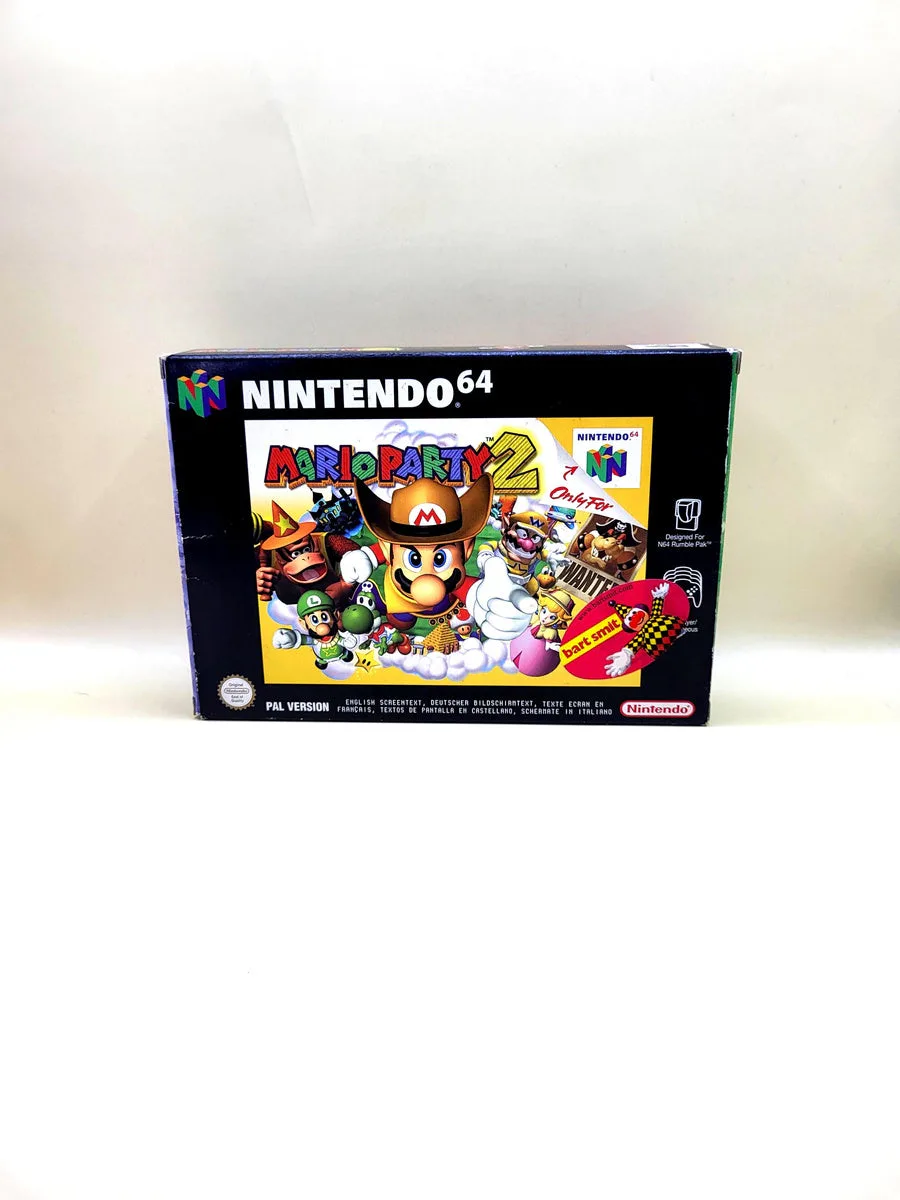
Mario Party 2 on Nintendo 64 shares familiar characters and play around one television. A board game links short minigames with different objectives. In Super Smash Bros., the foundation stays the same instead: successive matches let you improve your command of one fighter. Mario Party 2 alternates dexterity with dice rolls and collecting stars; Smash keeps the focus on attacking, evading and defending a position in the arena.
GoldenEye 007 on Nintendo 64 offers a different form of local competition. You seek opponents from a first-person perspective and collect weapons in corridors and rooms. Super Smash Bros. shows the fighters together from the side, immediately revealing who is trying to reach a platform or item. Both games demand positioning and timing, but GoldenEye emphasises aiming and cover; Smash places more weight on jumps, spacing and preventing a fall.
€ 349,99
€ 229,99
€ 149,98
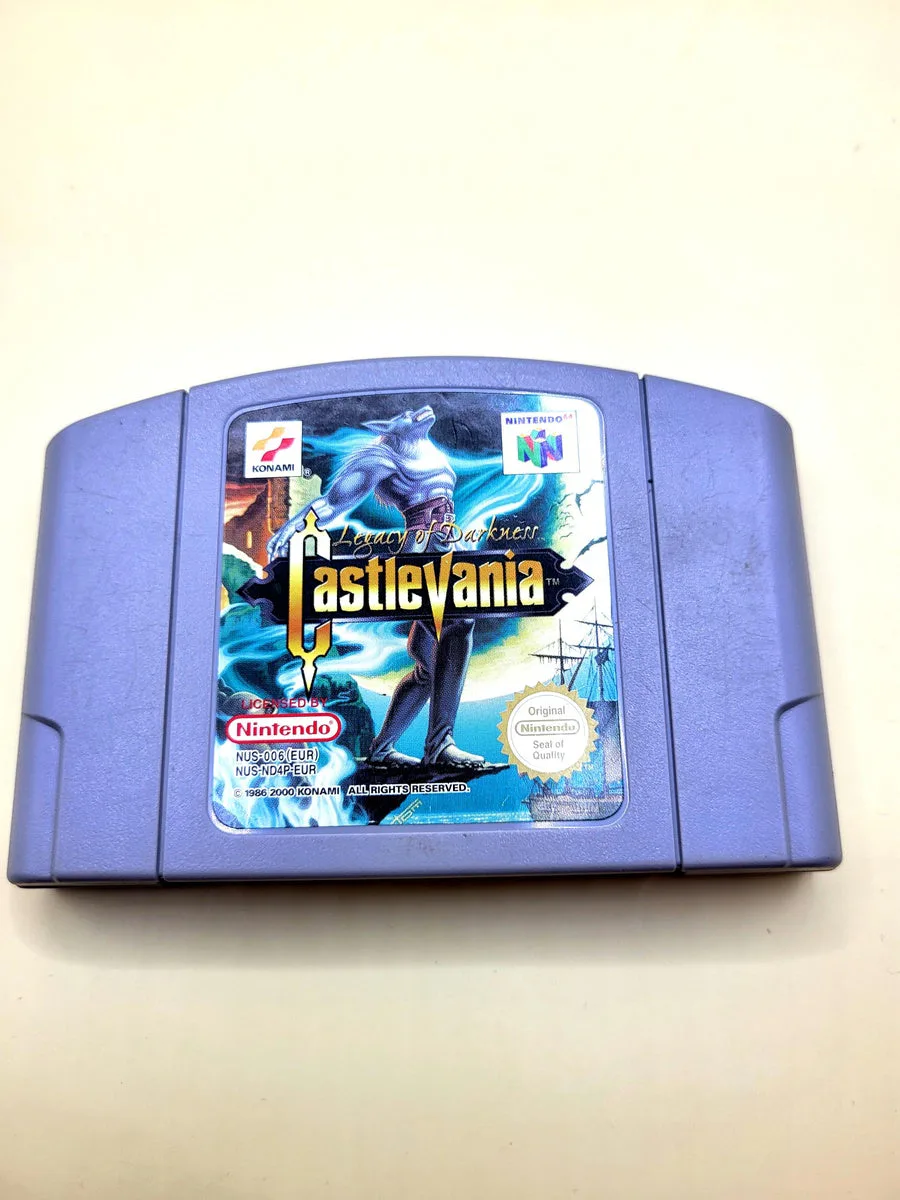
€ 139,99
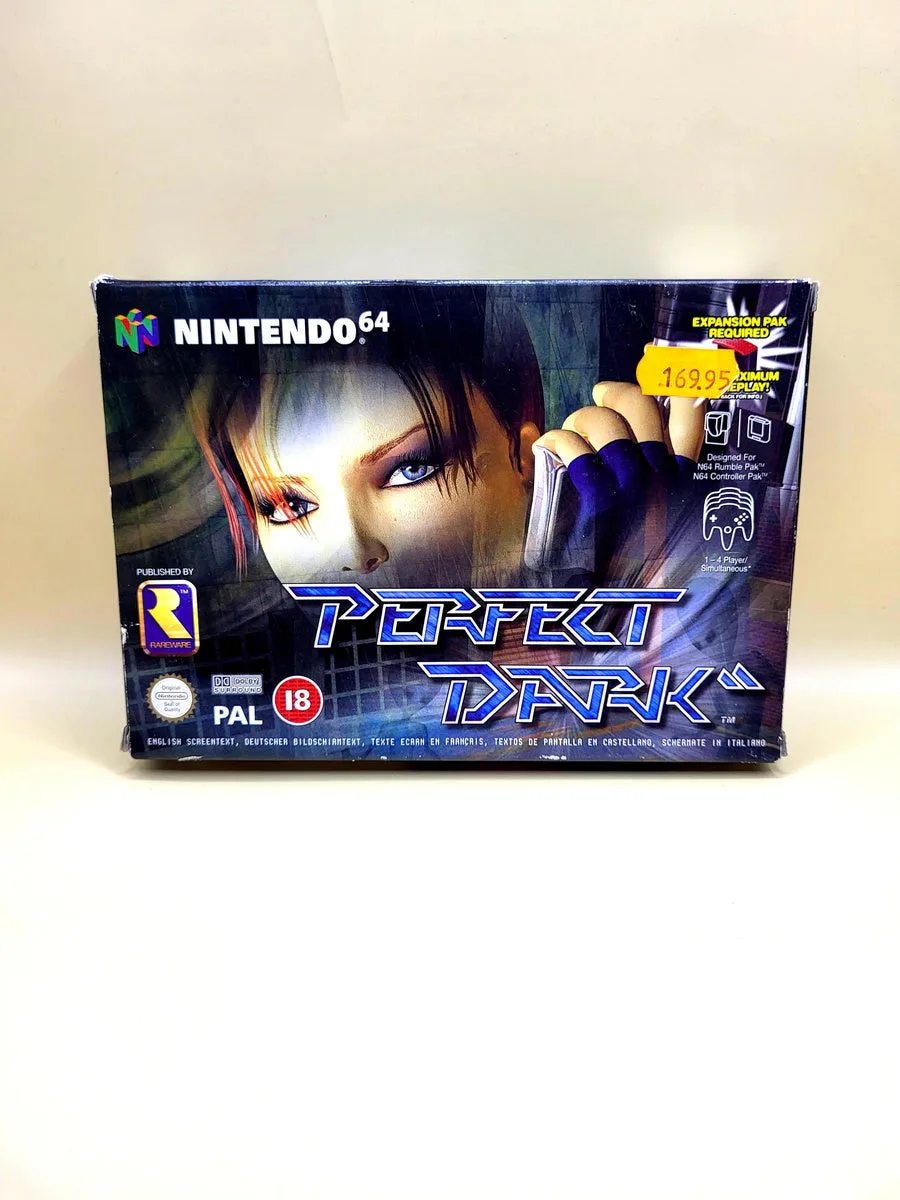
€ 99,99
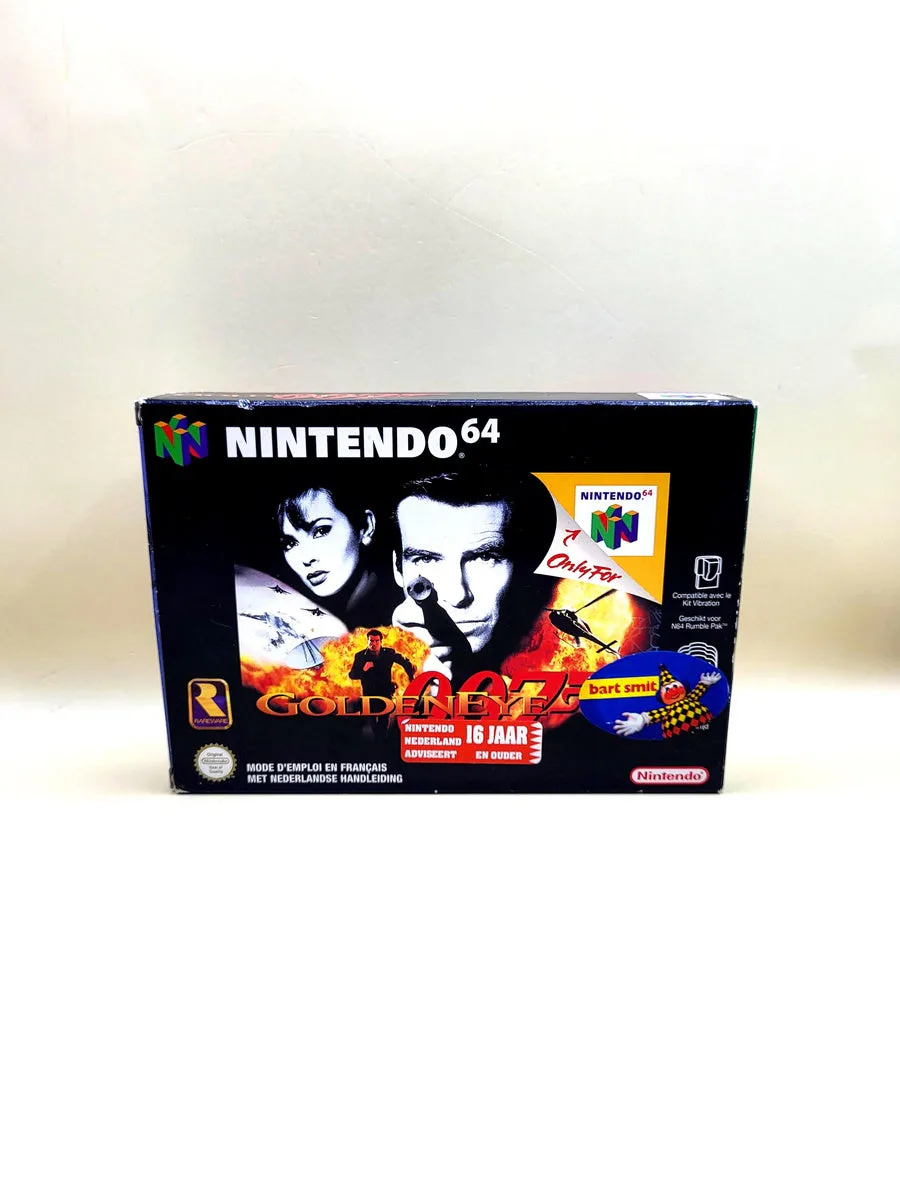
€ 89,99
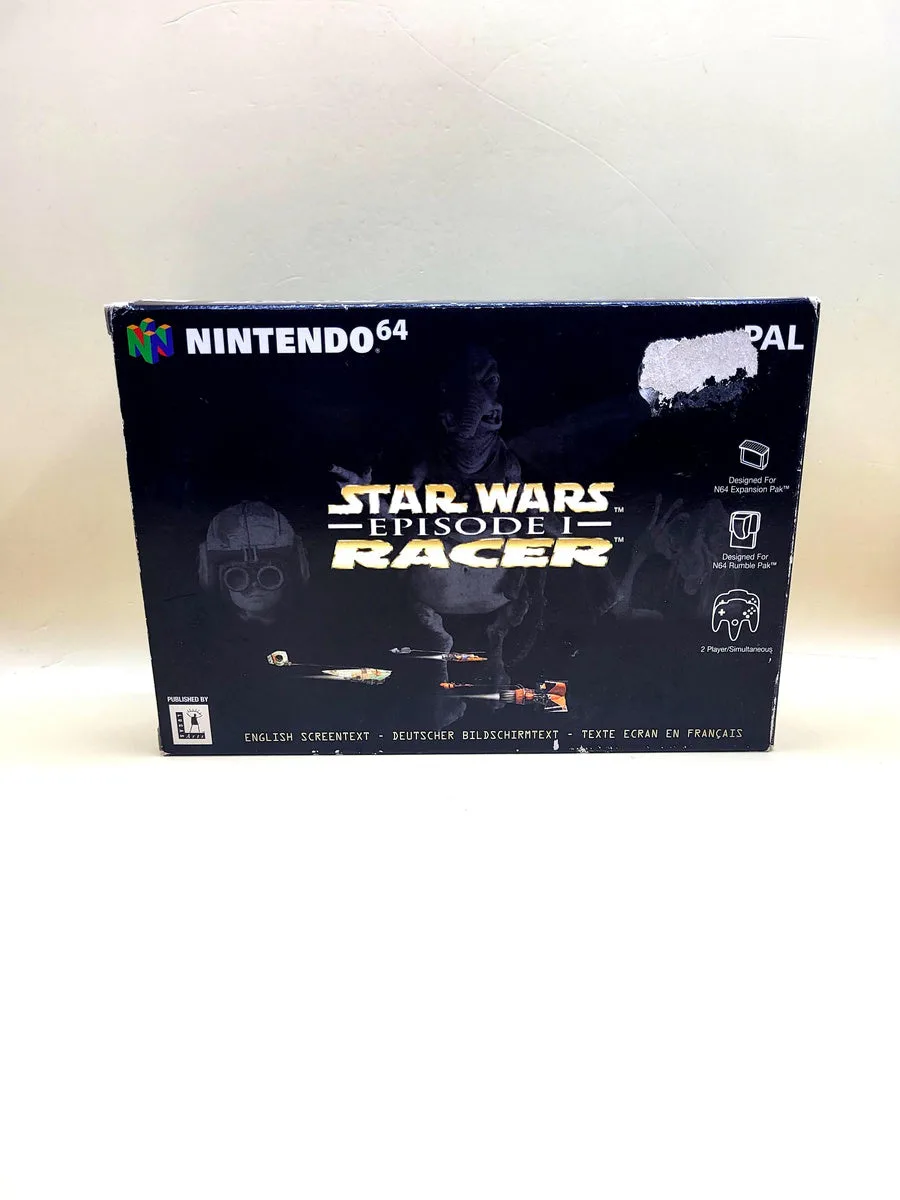
€ 89,99
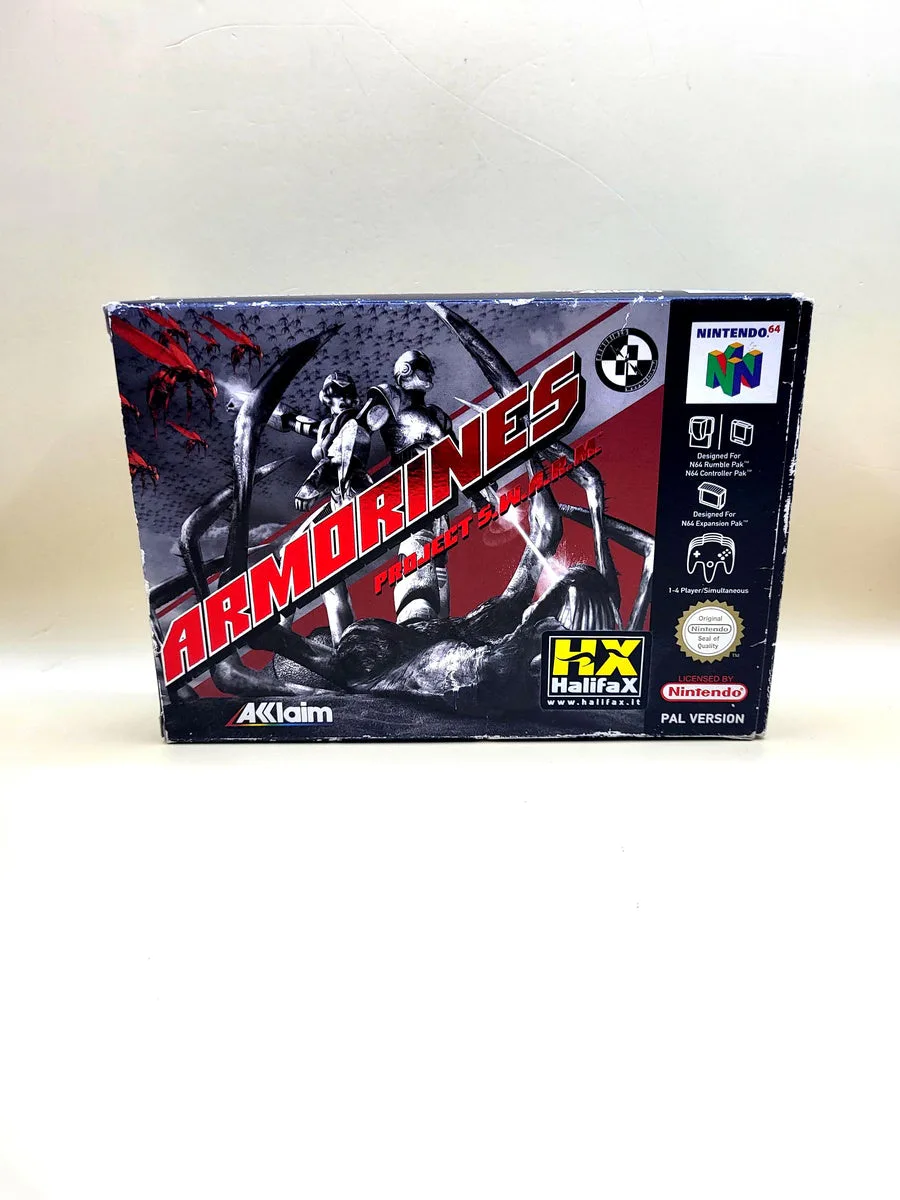
€ 79,99
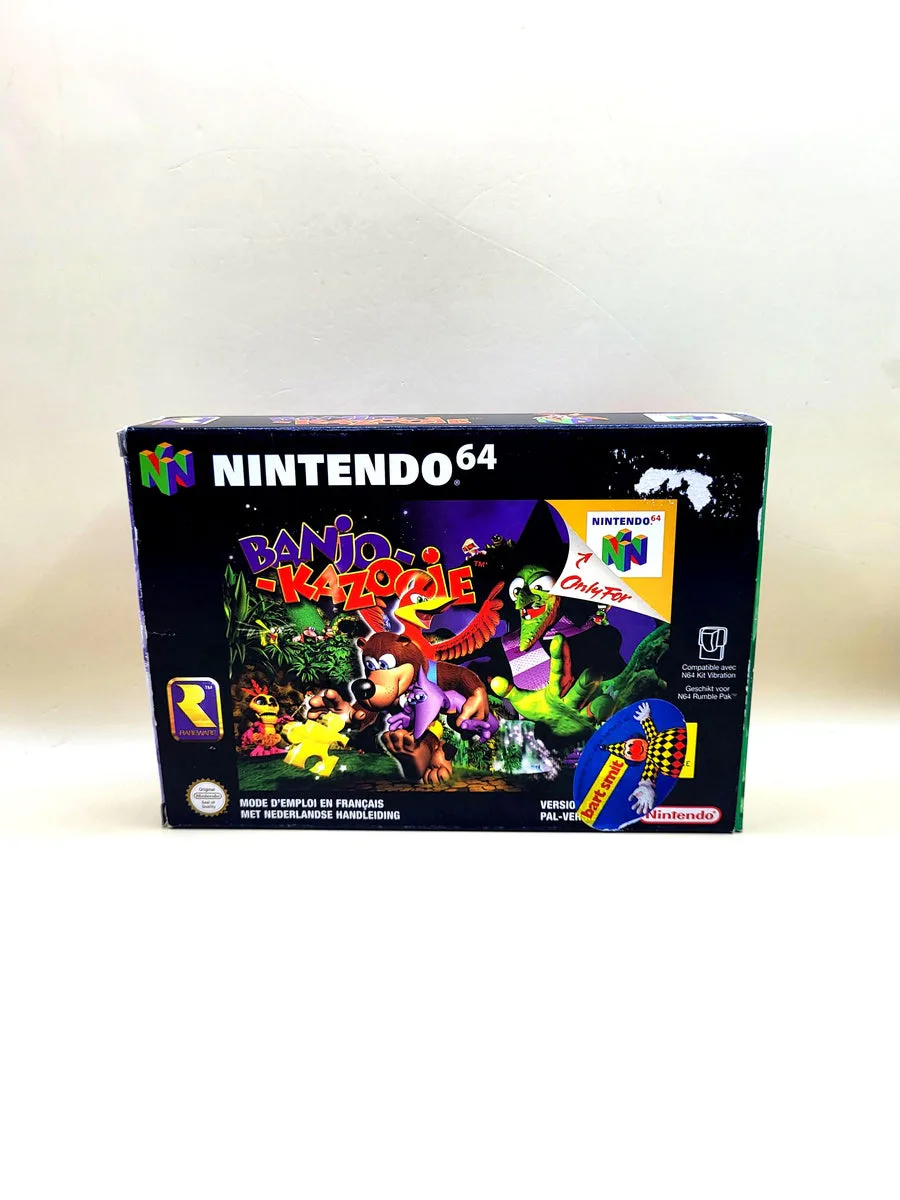
€ 79,99
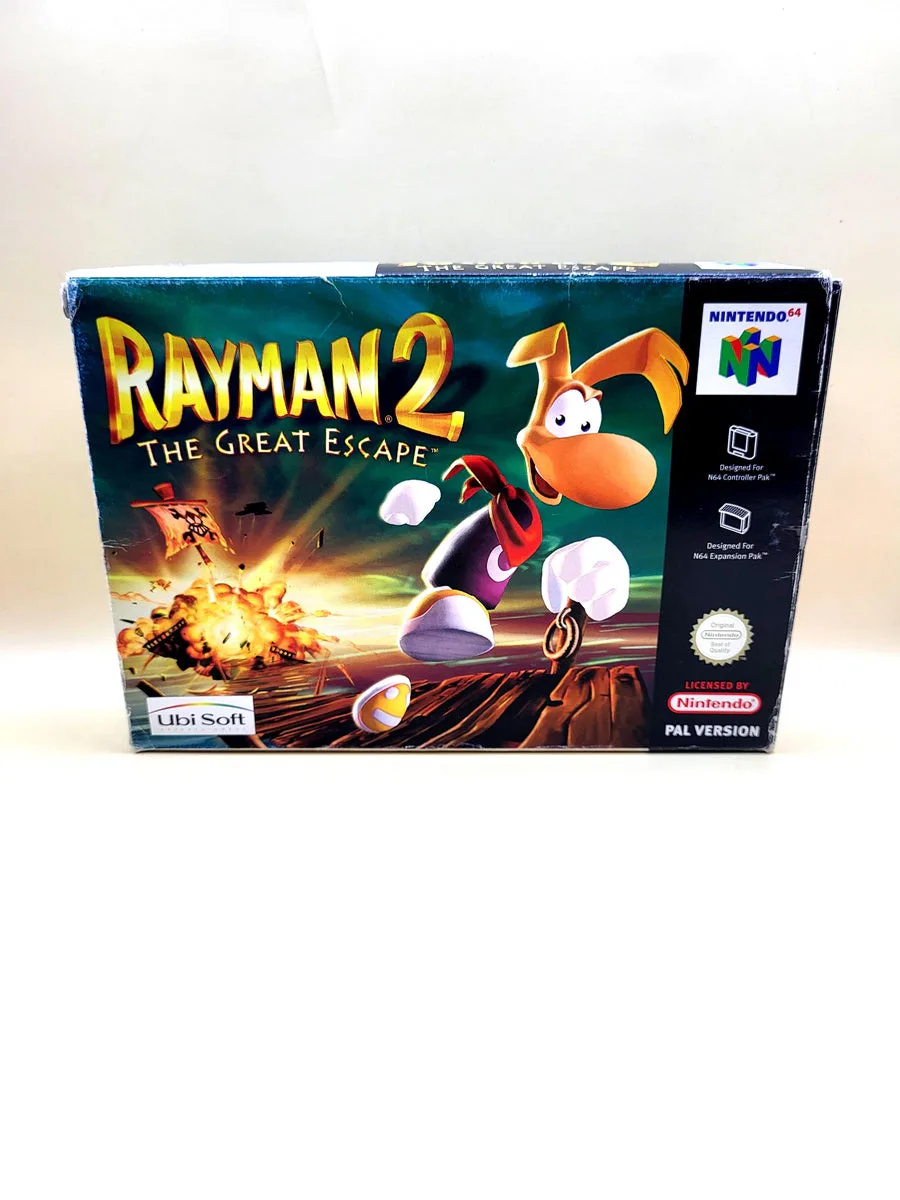
€ 79,99