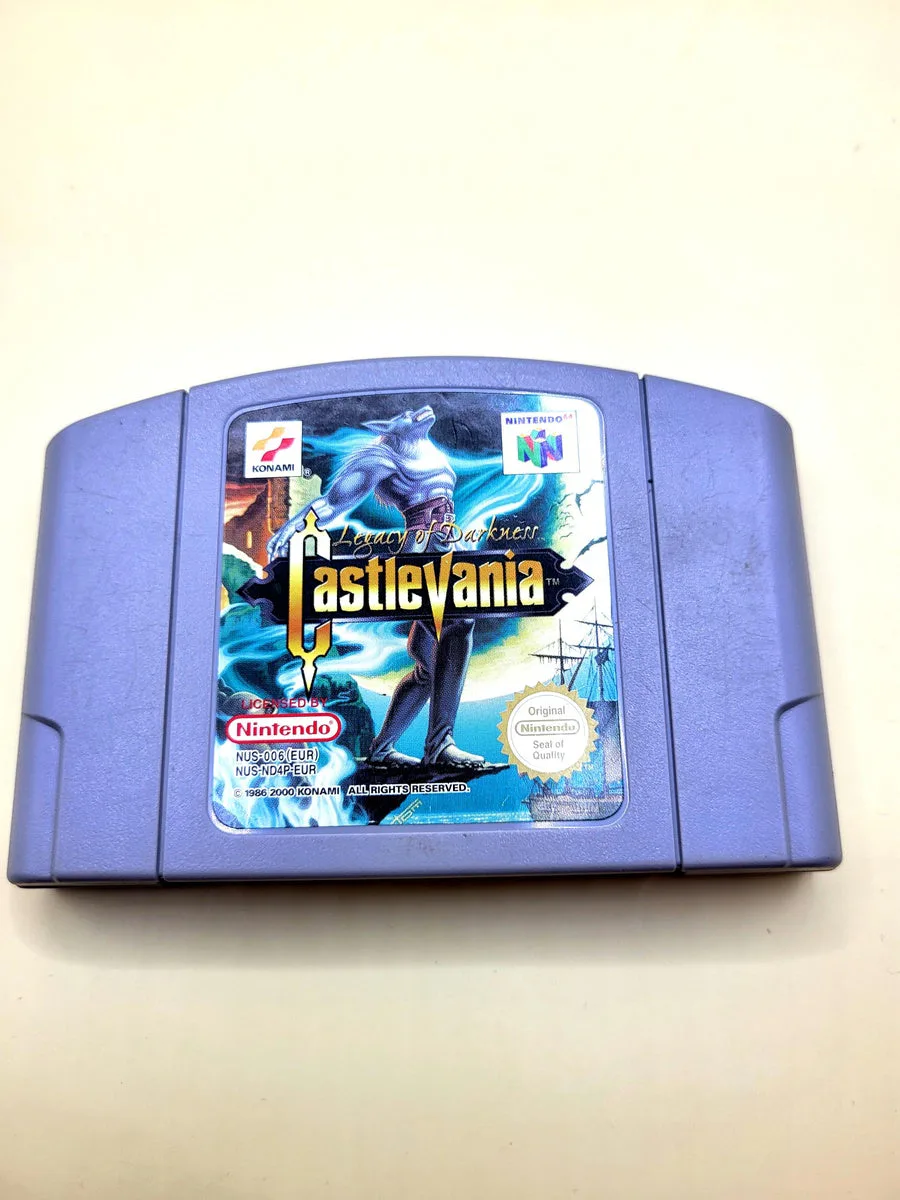
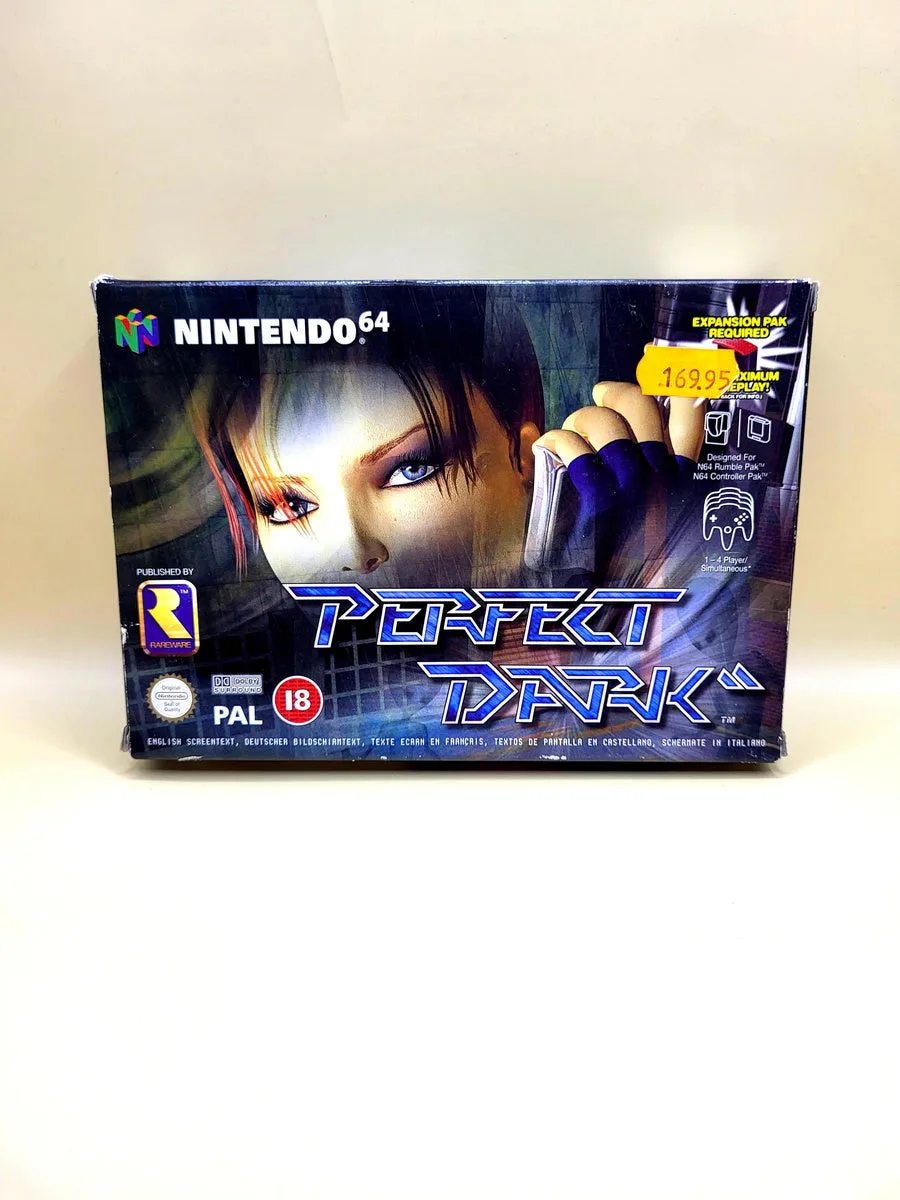
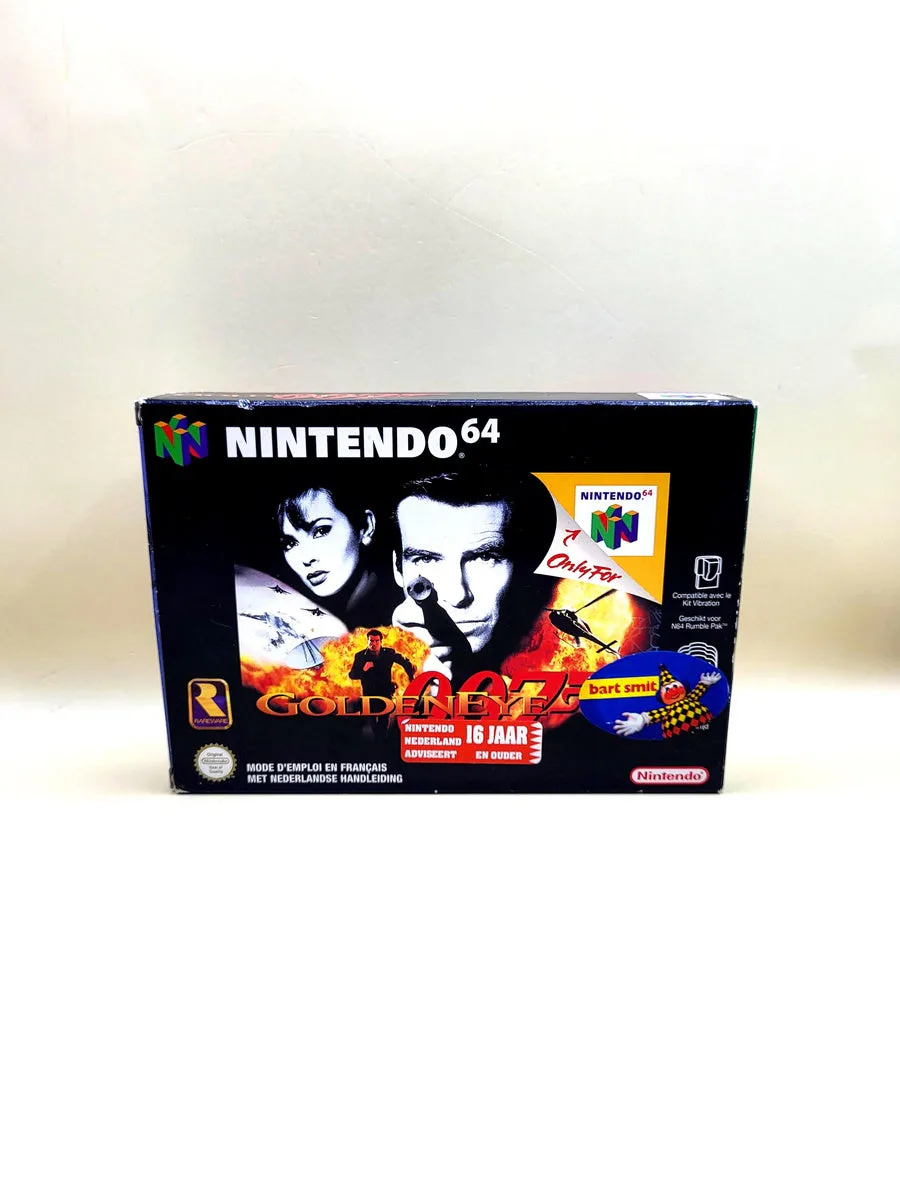
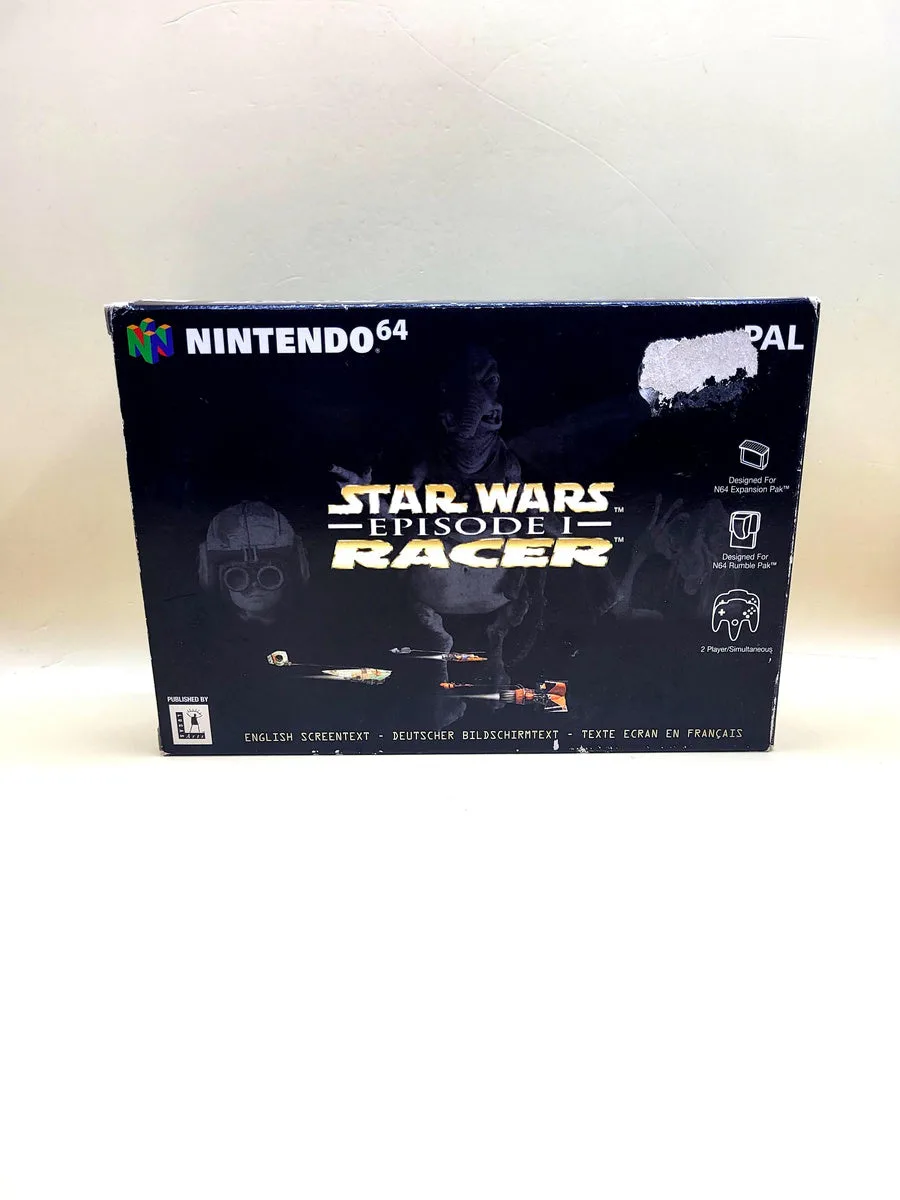
This product is like new. At NexWave Games, like new means:
Additionally, all discs at NexWave Games are carefully inspected and assessed for quality. When discs arrive, we do not accept any that are so badly damaged that they are unlikely to work. We only accept discs with light scratches at most. Discs with scratches are then treated in our professional disc repair machine. By warming the disc and polishing it with soft brushes, these machines can remove a very thin layer from the disc. This removes the layer containing surface scratches and improves the disc’s readability. This ensures the disc works properly, even on consoles with ageing lasers that have difficulty reading games! Great news for the player.
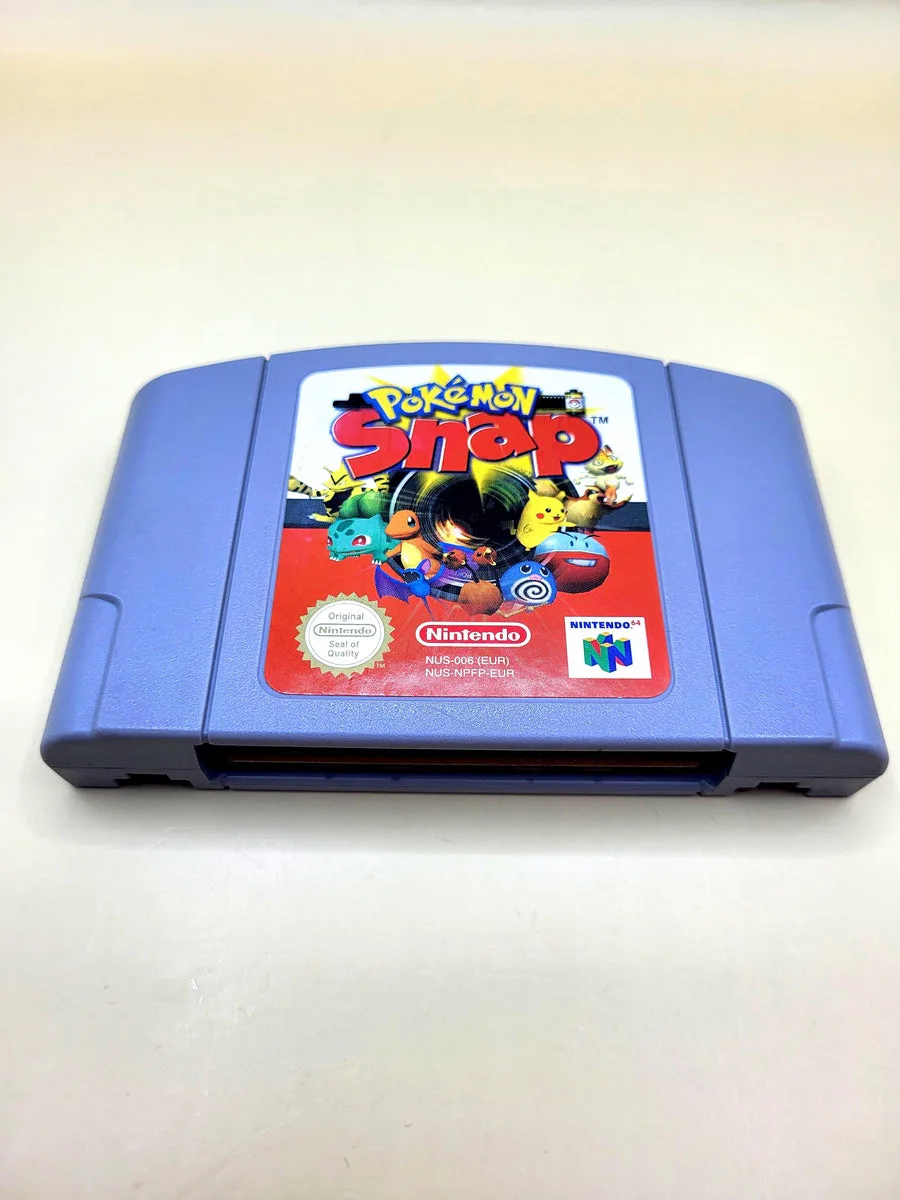
Pokémon Snap for Nintendo 64
Pokémon Snap for Nintendo 64 is a photography adventure in which you collect pictures for Professor Oak as Todd. The ZERO-ONE vehicle automatically follows a route across Pokémon Island. You look around, raise the camera and choose when to release the shutter. On the beach, in a tunnel or beside a volcano, there is often more happening than you notice at first. A Pokémon behind you might adopt a different pose, while a creature farther away appears only briefly.
After each trip, you select one photograph of each species for Oak to assess. The subject's size, pose and position in the frame, along with other Pokémon of the same species, all count. You have sixty shots per trip, so you can experiment and compare afterwards. Later you receive items including food, Pester Balls and a Poké Flute. These let you provoke reactions, bring hidden Pokémon into view and discover events that remained unseen on an earlier trip.
You play alone and build up a photographic report of 63 different Pokémon. You can also keep favourite pictures in your own album. New tools give familiar routes something new to offer: a known location becomes a small puzzle about timing and behaviour. This is the original Nintendo 64 game, not New Pokémon Snap for Nintendo Switch; online photo sharing and any current printing service are not part of this edition.
Region and language
Our Nintendo 64 games are PAL editions, unless stated otherwise. This product contains a loose cartridge for the European market. A box is only included if explicitly stated in the product details. We note any different region in the product details. In almost all cases, the game is playable at least in English, and often in the other five common European languages too.
Manual
With Pokémon Snap for Nintendo 64, you receive a loose cartridge. A box and manual are not included unless we explicitly state otherwise in the product details. This is the standard way we supply this copy.
The history of Pokémon Snap
HAL Laboratory developed Pokémon Snap, which Nintendo originally released in 1999. The European Nintendo 64 edition arrived on 1 September 2000. The handheld games revolved around catching, training and battling; Snap focused on Pokémon going about their own activities. Todd does not control a trainer with a team, but views the world through a camera lens. This gave the same urge to collect a different rhythm: recognising a species was the beginning, and taking a striking photograph was the next step.
In a later Nintendo interview, Satoru Iwata explained that the project initially was a photography game without Pokémon. The team did not yet clearly know why players would want to take pictures. Designer Masanobu Yamamoto recalled initially struggling with the replacement of their own characters. He said that switching to the Pokémon world actually gave the work direction. Familiar creatures offered recognition, while their movements and interactions provided new subjects for the camera.
The final design combined fixed routes with repeated observation. Food, the flute and other tools changed what could happen along the way; Oak's assessment made improvements measurable. The pictures remained saved on the game cartridge, allowing a collection to grow across several playing sessions. Much later, New Pokémon Snap for Nintendo Switch followed with a different region and new systems. That sequel builds on the photography idea, but its additional features are not part of this original cartridge.
Similar games for Nintendo 64
Pokémon Stadium shows the same first generation of Pokémon in three dimensions on Nintendo 64. It revolves around teams, moves and turn-based battles; Pokémon Snap has you study behaviour with a camera. Both games reward knowledge of familiar species, but Snap requires a good viewing angle and timing. You do not need to transfer a Game Boy team, and you do not conduct battles during the photography trips.
Lylat Wars on Nintendo 64 shares the feeling of a route that keeps moving while you look ahead, sideways and behind. Fox uses that attention to hit enemies and guide his ship through danger. In Pokémon Snap, the vehicle largely follows its automatic path and you look for a photographic opportunity. Repeated trips reveal new discoveries in both, but Snap judges composition rather than destroyed opponents.
Super Mario 64 on Nintendo 64 also has you return to familiar areas to find something that was previously out of reach. Mario reaches another star through jumps, climbing and a new route. Pokémon Snap changes your possibilities mainly through tools that provoke reactions. You do not move freely across the entire terrain, but learn where and when an event becomes visible from the moving vehicle.
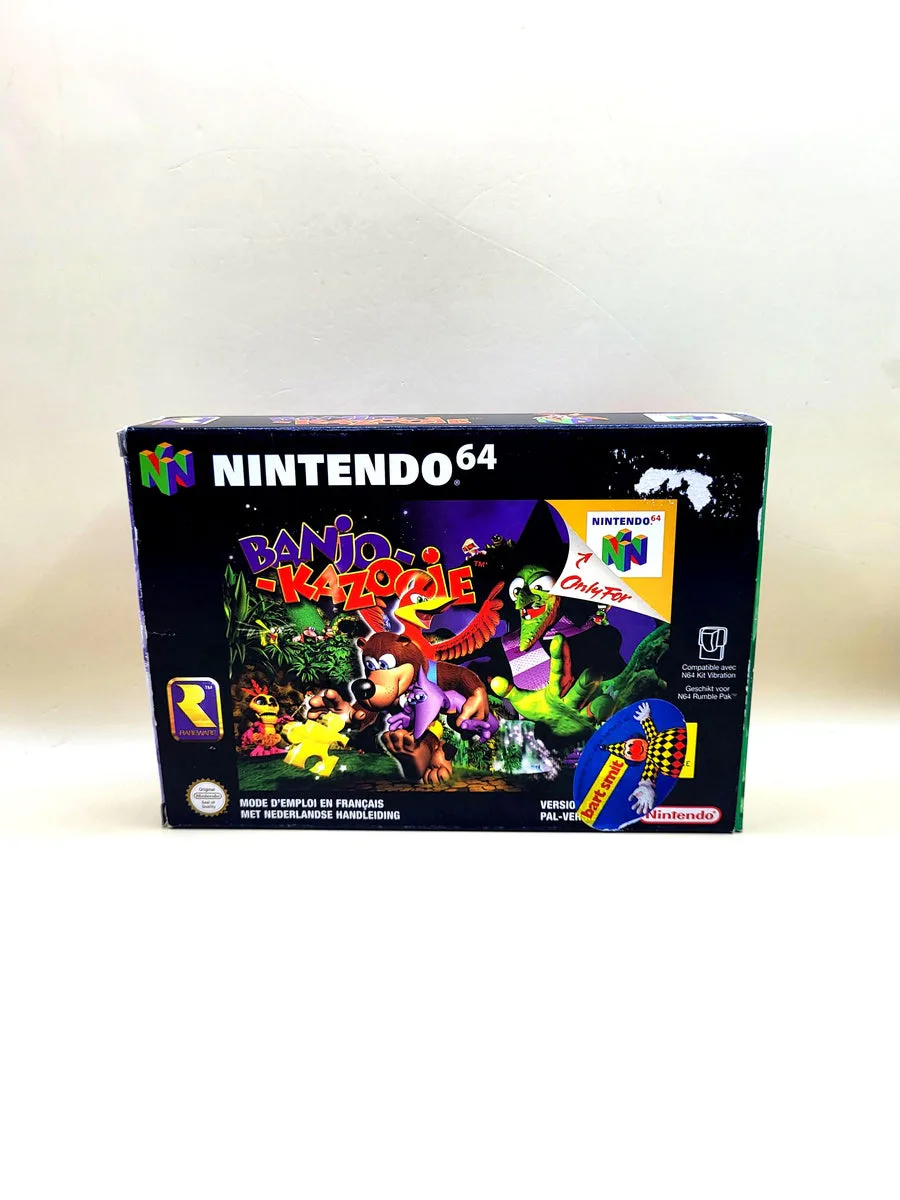
Banjo-Kazooie combines colourful animals, hidden surprises and returning with new abilities on Nintendo 64. The bear and bird collect puzzle pieces by walking to a location themselves or overcoming an obstacle. In Pokémon Snap, you collect images and influence what happens beside the route. Both require observation, but in Snap the right moment with the camera replaces the jump to a hard-to-reach platform.
Wave Race 64 on Nintendo 64 shows how a familiar route can call for a different judgement each time. Waves and bends change the moment when you steer or accelerate. Pokémon Snap lets you use a repeated trip to predict Pokémon movements more accurately. Both reward learning a course, while Snap relies more calmly on observation and experimentation than on speed and racing positions.