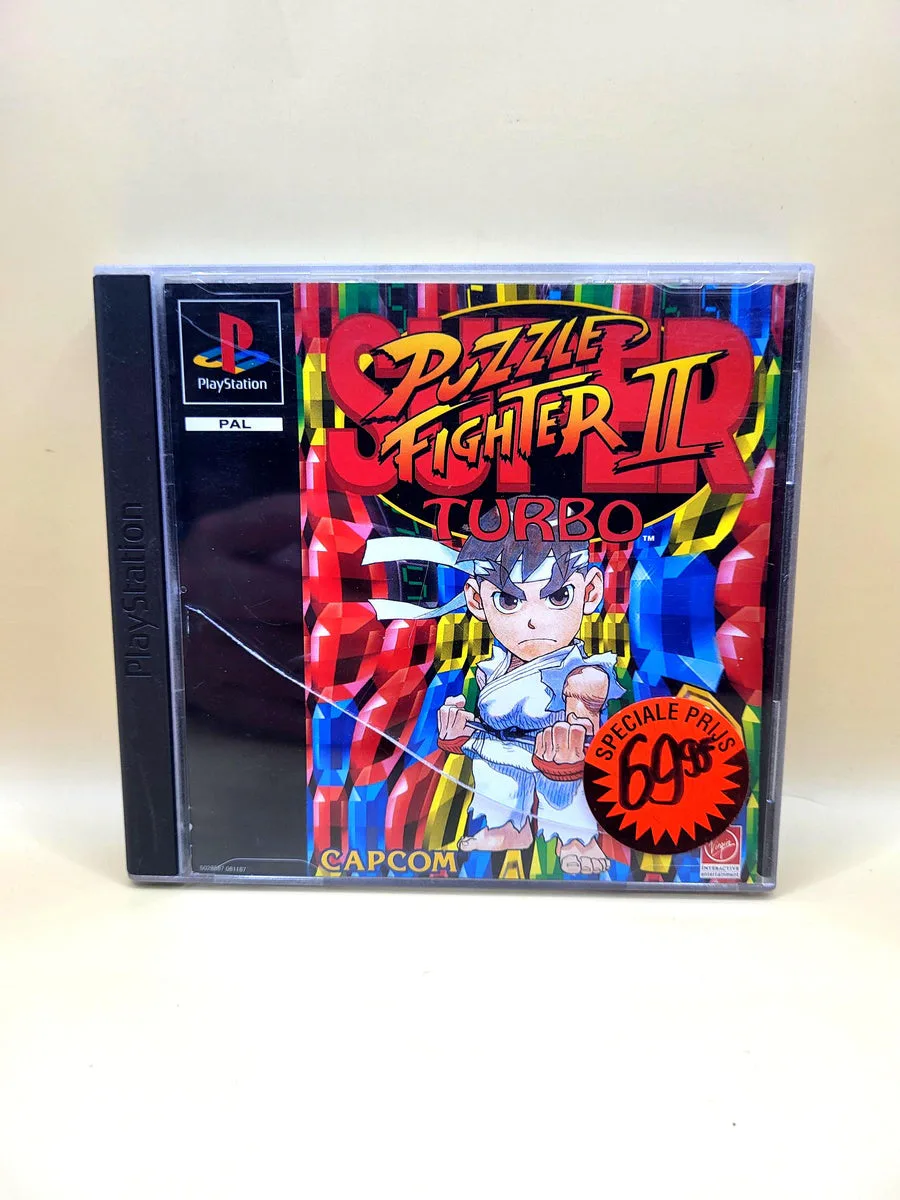
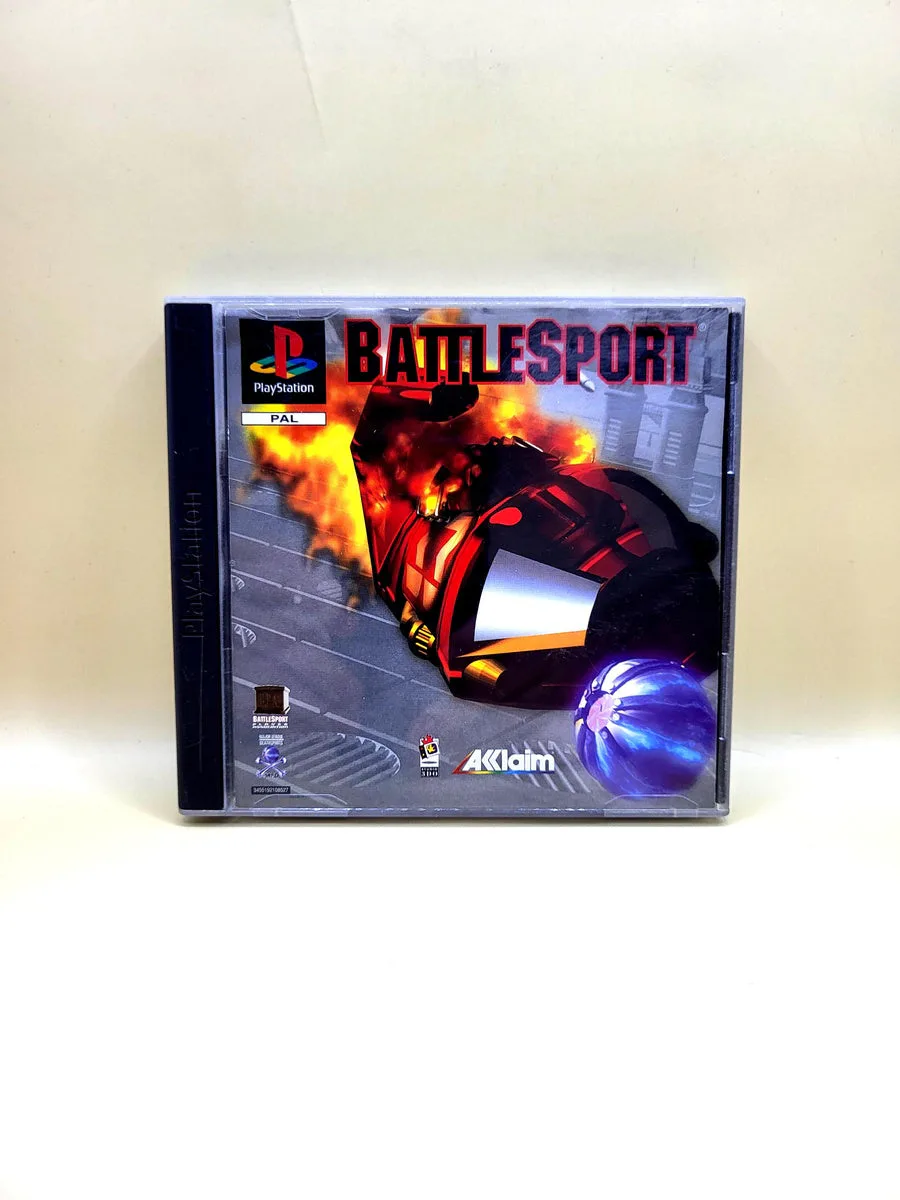
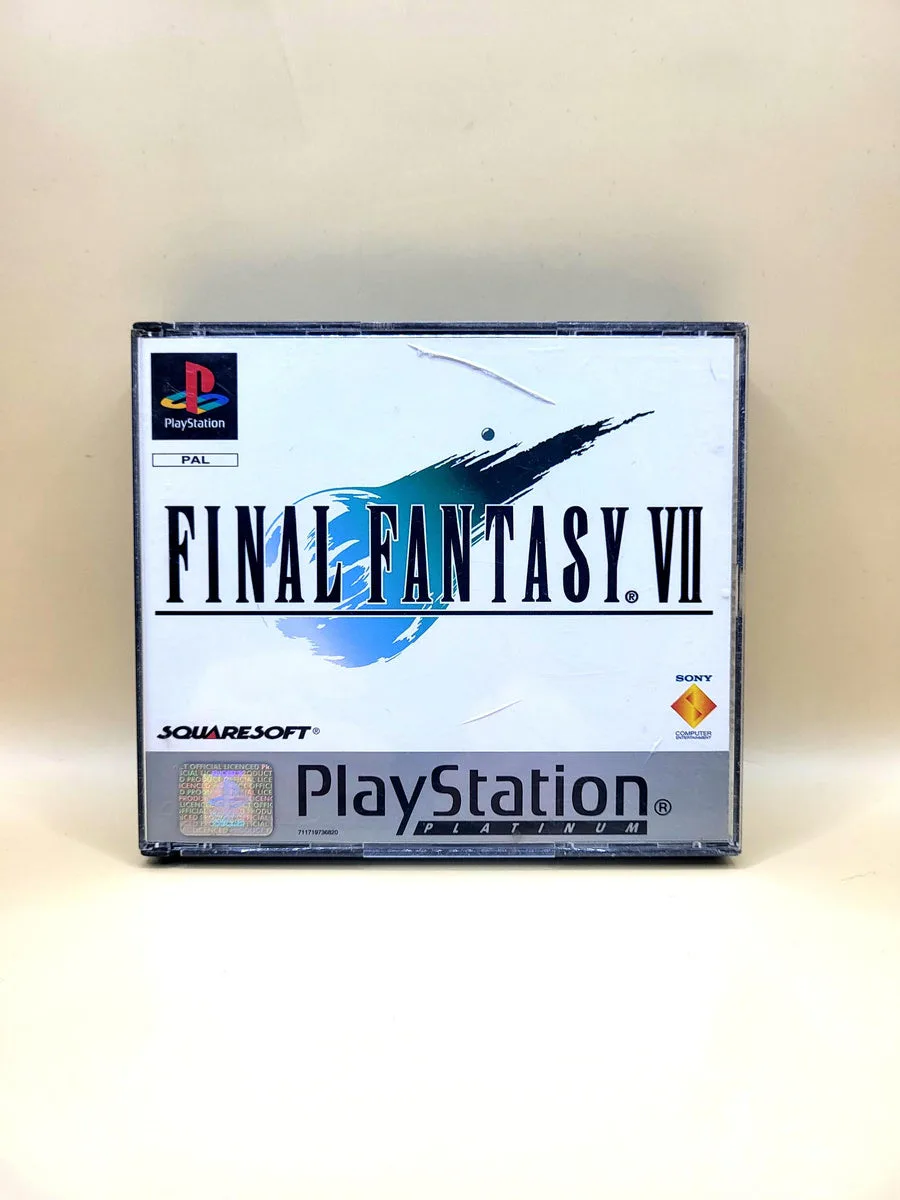
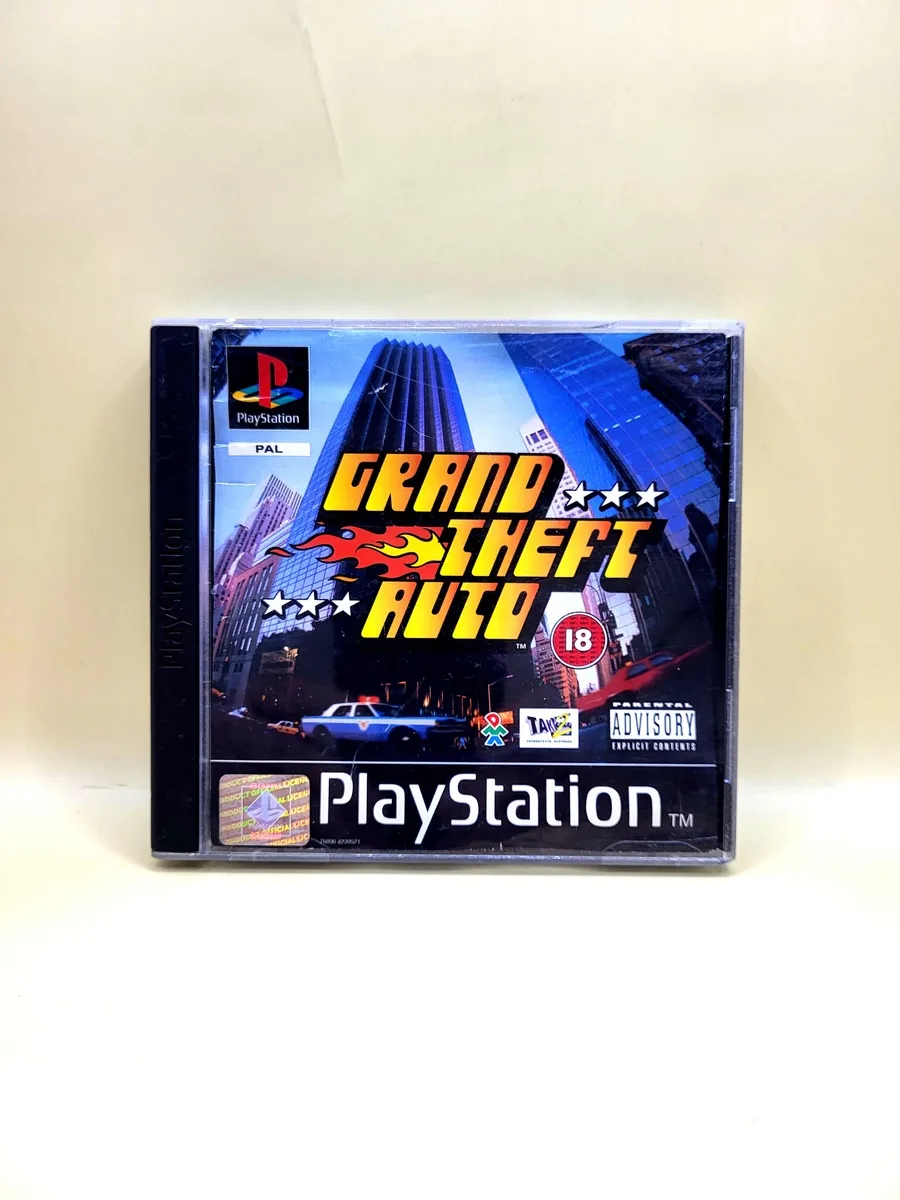
This product is like new. At NexWave Games, like new means:
Additionally, all discs at NexWave Games are carefully inspected and assessed for quality. When discs arrive, we do not accept any that are so badly damaged that they are unlikely to work. We only accept discs with light scratches at most. Discs with scratches are then treated in our professional disc repair machine. By warming the disc and polishing it with soft brushes, these machines can remove a very thin layer from the disc. This removes the layer containing surface scratches and improves the disc’s readability. This ensures the disc works properly, even on consoles with ageing lasers that have difficulty reading games! Great news for the player.
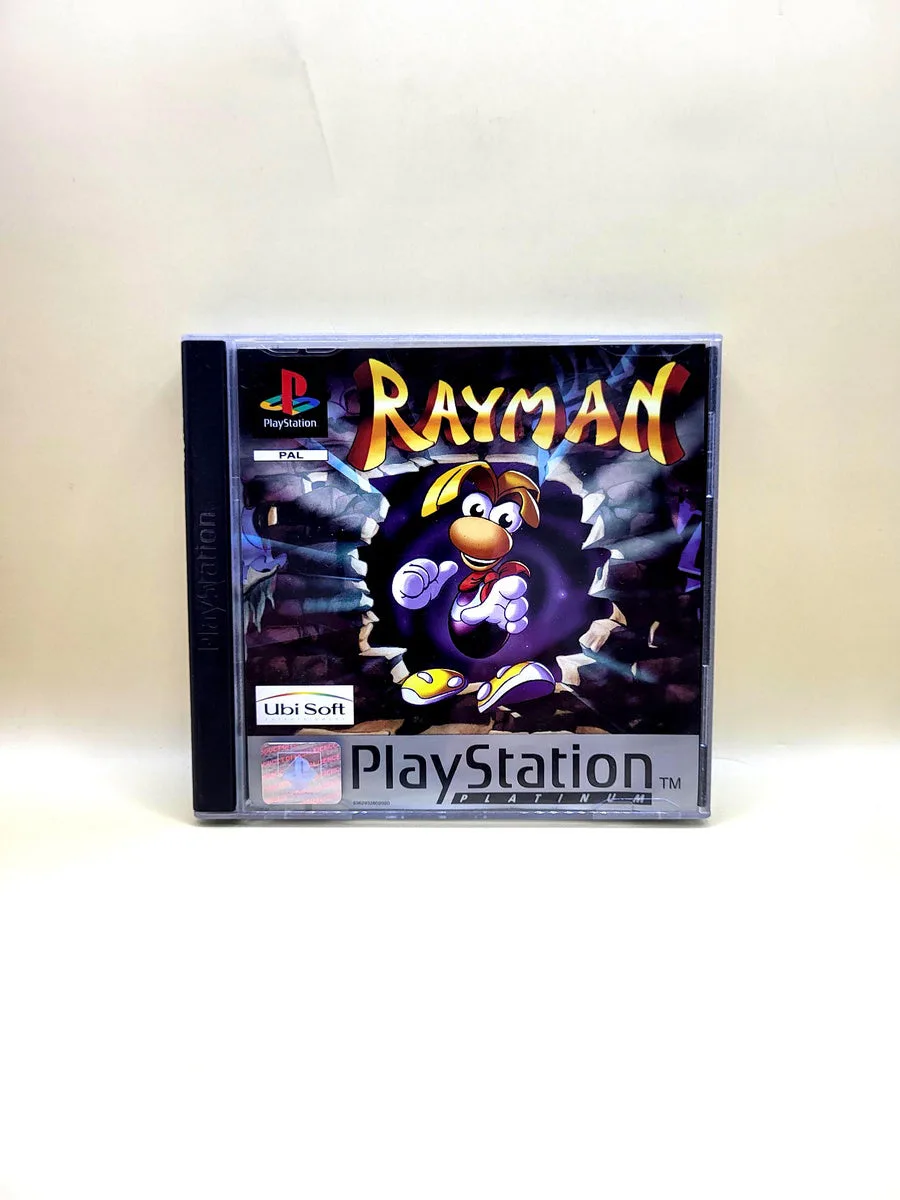
Rayman for PlayStation 1
Rayman for PlayStation 1 is a hand-drawn platform game in which you free imprisoned Electoons and pursue Mister Dark. You begin in Dream Forest, then leap between musical instruments, across mountain peaks and through a world of pencils and erasers. Enemies and moving surfaces make each setting different. An apparently simple jump can become tricky when a platform disappears or an enemy occupies your landing spot. You view the playing area from the side and decide when to move on.
Betilla the fairy gradually gives Rayman new powers. You learn to launch his fist, hang from ledges, grab flying rings and use his hair as a helicopter. These abilities let you return to earlier areas to reach hidden cages. This search is part of the main objective: all Electoons in the first five worlds must be freed to unlock Candy Chateau. Blue Tings earn extra lives and can pay for entry to bonus challenges.
You play alone with one standard controller. The photographer creates temporary checkpoints within a level; to resume later, use a PlayStation Memory Card or a password from the world map. A Memory Card also records partially collected sets of cages. A password only records such a set once all six cages in that level have been opened. If you begin using a password, you cannot subsequently save that run to a Memory Card. Decide how you want to preserve your progress when starting.
Region and language
Our PlayStation 1 games are PAL editions and come with a Dutch or English box, unless stated otherwise. By default, you receive the version for the European market. We note it in the product details if the region is different or the box is in another language. In almost all cases, the game is playable at least in English, and often in the other five common European languages too.
Manual
Rayman for PlayStation 1 includes the manual unless the product title states otherwise. If the booklet is missing, the title says “No Manual”. This lets you see before ordering whether the game comes with a manual.
The manuals included with our games usually contain at least English and often around six European languages. The exact languages vary by edition, so Dutch is not always included. The booklet explains the controls and the main rules. You can use it to check how to control the game, which actions are available and how its different features work.
The history of Rayman
Ubisoft released Rayman in 1995, with Michel Ancel creating the hero without visible arms or legs. The project originated at the Montpellier studio and became Ubisoft's first major success. Rayman arrived in the same year that PlayStation launched in Europe. While many new games displayed three-dimensional characters, this adventure built its worlds from drawn backgrounds and lively two-dimensional figures. The separate hands, shoes and head made Rayman's movements immediately recognisable.
The settings turn everyday objects into parts of a fantasy landscape. Musical notes form slippery paths, an eraser becomes an obstacle and a pencil determines where you can land. Bosses follow the same idea, including the saxophone Mister Sax and the rocky Mister Stone. Betilla's powers change how you cross these environments. The game therefore encourages you to reconsider familiar places rather than restricting each ability to a single separate area.
The sequel Rayman 2: The Great Escape moved the series into three-dimensional worlds and later also appeared on PlayStation 1. The original Rayman remained a separate adventure, with its own musical worlds, hidden cages and a different approach to jumping. Later handheld adaptations and rereleases changed elements of the game. The Platinum edition for PlayStation 1 belongs to the original console version: its silver rerelease packaging does not make it a new sequel or a modern remake with additional saving features.
Similar games for PlayStation 1
Rayman 2: The Great Escape for PlayStation 1 features the same hero and helicopter hair, but lets you move through three-dimensional areas. In Rayman you mainly read jumps from left to right; in the sequel you must also judge distance and camera angle. The search for cages remains familiar. The first game requires all Electoons to open the final area, while Rayman 2 builds its adventure around Yellow Lums and four masks.
Crash Bandicoot on PlayStation 1 shares precise jumps, hazardous surfaces and the search for hidden rewards with Rayman. Crash often runs into the depth of the screen and breaks crates for additional challenges. Rayman stays side-on and learns new moves that make previously unreachable cages accessible. Both games reward studying a difficult section first, but Rayman ties revisiting areas more closely to powers you receive later.
Spyro the Dragon for PlayStation 1 also centres on freeing prisoners and searching colourful worlds. Spyro explores larger three-dimensional areas, collects gems and uses fire or a charge against enemies. Rayman launches his fist and moves through two-dimensional obstacles. Spyro's glide resembles the helicopter hair, but requires judging distances in depth. Rayman concentrates that same challenge of finding a safe landing in a single plane.
Oddworld: Abe's Oddysee on PlayStation 1 combines a side view with freeing captive creatures, just like Rayman. Abe gives Mudokons spoken instructions and sneaks past guards in a dark factory. Rayman frees Electoons by breaking cages and relies more on jumping and attacking. Both adventures hide rescues away from the obvious route. Abe more often requires a plan involving switches and enemy behaviour; Rayman places greater emphasis on mastering movement.
Gex: Deep Cover Gecko for PlayStation 1 shares Rayman's imaginative themed worlds and search for collectibles. Gex jumps through three-dimensional television parodies, attacks with his tail and earns remote controls by completing objectives. Rayman uses a continuous drawn landscape with cages as a recurring goal. In Gex you select missions from his base; in Rayman a world map connects the levels. Gex consequently feels more like individual television assignments, while Rayman resembles a journey through increasingly strange landscapes.