This product is like new. At NexWave Games, like new means:
Additionally, all discs at NexWave Games are carefully inspected and assessed for quality. When discs arrive, we do not accept any that are so badly damaged that they are unlikely to work. We only accept discs with light scratches at most. Discs with scratches are then treated in our professional disc repair machine. By warming the disc and polishing it with soft brushes, these machines can remove a very thin layer from the disc. This removes the layer containing surface scratches and improves the disc’s readability. This ensures the disc works properly, even on consoles with ageing lasers that have difficulty reading games! Great news for the player.
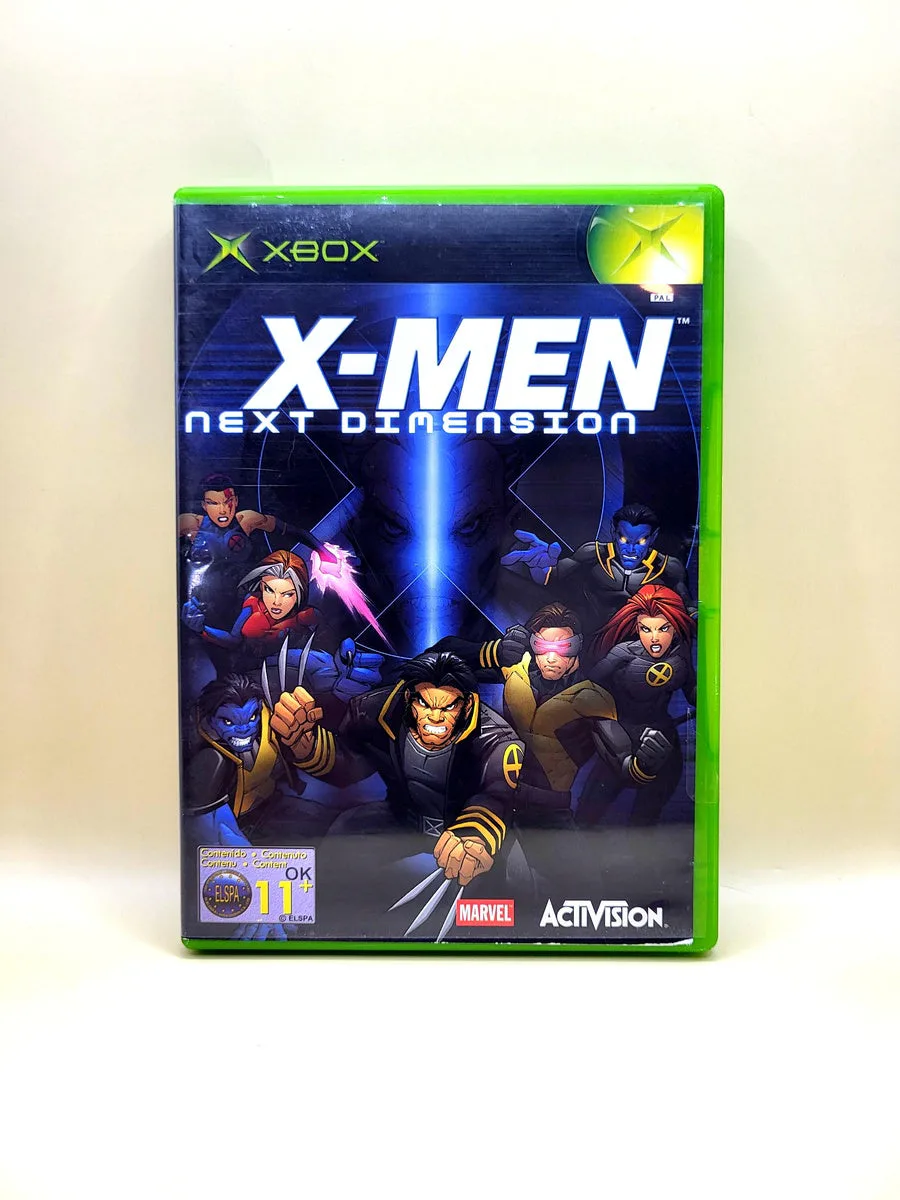
X-Men: Next Dimension for Xbox Original
X-Men: Next Dimension for Xbox Original is a three-dimensional fighting game featuring duels between Marvel mutants. You can choose Wolverine, Storm, Cyclops or Magneto, for example, and combine ordinary punches and kicks with their special powers. You can sidestep, evade attacks and launch an opponent into the air. The distance between fighters constantly changes: a claw attack calls for a different position from an energy beam. Attacking without watching gives an opponent room to counter.
The arenas often have several sections. A heavy attack can move a fight into another part of the environment, while destructible objects add to the spectacle. In the story, Bastion kidnaps the inventor Forge to build a weapon against mutants. The X-Men are consequently forced to cooperate with Magneto and his Brotherhood. Cinematics connect events between fights, and at certain points you receive a different group of characters to choose from.
You play the story alone. Two players can fight local versus duels, each using an Xbox controller. In the practice area, you repeat combinations and examine an attack without playing an entire series of matches. Arcade gives you successive opponents; Survival challenges you to keep going for as long as possible. Next Dimension focuses on individual fights, not on exploring and developing a team of heroes together as in X-Men Legends.
Region and language
Our Xbox Original games are PAL editions and come with a Dutch or English box, unless stated otherwise. By default, you receive the version for the European market. We note it in the product details if the region is different or the box is in another language. In almost all cases, the game is playable at least in English, and often in the other five common European languages too.
Manual
The manual is missing from this copy of X-Men: Next Dimension for Xbox Original. That is why the product title says “No Manual”. You receive the game in its box, without the instruction booklet. This makes the contents clear before you order.
The original printed manual usually contains at least English and often around six European languages. The languages vary by edition; Dutch is not always included. This information describes the original booklet and does not mean that it comes with this copy. A copy with a manual is offered separately when available.
The history of X-Men: Next Dimension
Paradox Development made X-Men: Next Dimension for PlayStation 2 and Xbox; Activision released the game in 2002. The team had previously developed the X-Men: Mutant Academy fighting games for PlayStation. Next Dimension continued that work on a new console generation, with larger environments and more room to move. The GameCube release was separately developed at Exakt Entertainment. This Xbox version therefore belongs to Paradox’s interpretation of the original game, not to the later X-Men Legends series.
Activision deliberately presented the fights as comic-style clashes between superpowers. Multi-level arenas, aerial combat and destructible objects were intended to show what these characters could do beyond an ordinary fighting ring. The story brought the X-Men and their usual opponents together against Bastion. Forge was the focus of the conflict: his talent for building technology made him valuable to the enemy. This gave the fighters a shared reason to encounter each other in different locations.
The original design divides attention between the continuing story and repeatable duels. Story choices let you use different mutants, while practising with one favourite brings out the details of their attacks. This combination reflects a period when familiar comic heroes received both narrative adventures and standalone fighting games. Next Dimension preserves the latter approach: events explain the conflict, but you play the confrontations as short matches with direct control of one fighter at a time.
Similar games for Xbox Original
Dead or Alive 3 shares three-dimensional movement and arenas where a heavy blow can send you to another level on Xbox Original. Its fighters mainly rely on martial arts and timed holds. Next Dimension adds beams, magnetism and other mutant powers to physical attacks. Both require you to recognise an opening, but in Next Dimension you must also consider the distance and trajectory of those special attacks.
Soulcalibur II makes reach visible through swords, staffs and other weapons on Xbox Original. In Next Dimension, a similar distinction comes from each mutant’s powers: a fighter can apply pressure up close or threaten from a distance. Soulcalibur uses open edges and ring-outs as an extra danger. Next Dimension is more likely to turn a heavy hit into movement through the arena. You therefore read the same space, but mistakes have different consequences.
Mortal Kombat: Deadly Alliance also lets you sidestep and combine special attacks with ordinary strikes on Xbox Original. Most characters switch between two unarmed styles and one weapon style. Next Dimension builds its differences mainly around individual mutant powers and multi-level locations. Deadly Alliance uses Konquest lessons to teach techniques; Next Dimension links its story fights to Forge and Bastion. Both provide practice facilities, but organise learning and storytelling differently.
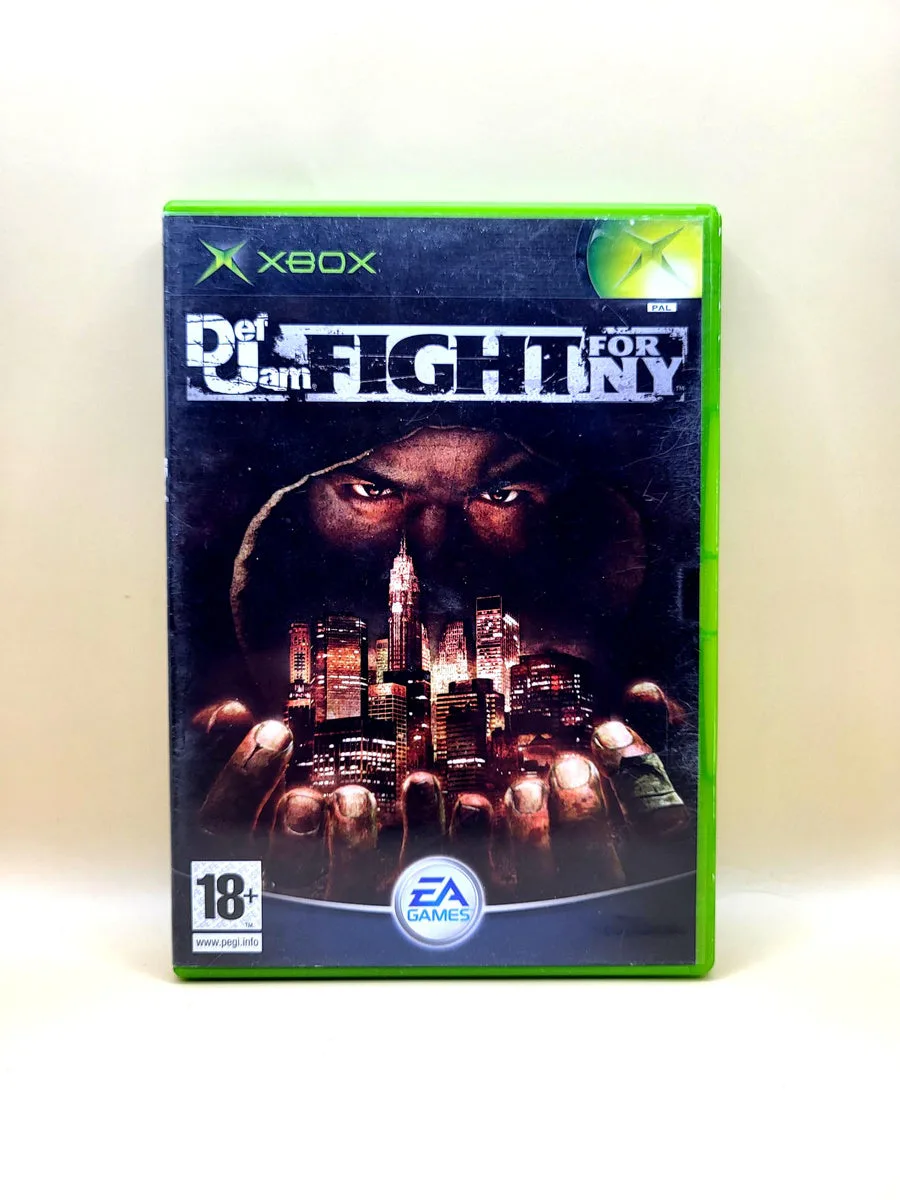
Def Jam: Fight for NY also uses environments that do more than fill the background on Xbox Original. Walls, bystanders and objects shape its street fights. Next Dimension seeks that effect through destructible objects and transitions between arena sections, using superpowers instead of hip-hop fighters. Def Jam lets you develop a custom character and combine styles. In Next Dimension, you instead learn an established mutant with attacks that reflect recognisable powers.
Like Next Dimension, Legends of Wrestling II brings recognisable names together for individual fights on Xbox Original. Its wrestlers use grapples, pins and match rules associated with a ring, however. Next Dimension resolves duels through health, combinations and special powers. Legends also has a regional career and a wrestler creator. The shared appeal is trying different personalities; the way you win and progress with those characters is very different.