This product is like new. At NexWave Games, like new means:
Additionally, all discs at NexWave Games are carefully inspected and assessed for quality. When discs arrive, we do not accept any that are so badly damaged that they are unlikely to work. We only accept discs with light scratches at most. Discs with scratches are then treated in our professional disc repair machine. By warming the disc and polishing it with soft brushes, these machines can remove a very thin layer from the disc. This removes the layer containing surface scratches and improves the disc’s readability. This ensures the disc works properly, even on consoles with ageing lasers that have difficulty reading games! Great news for the player.
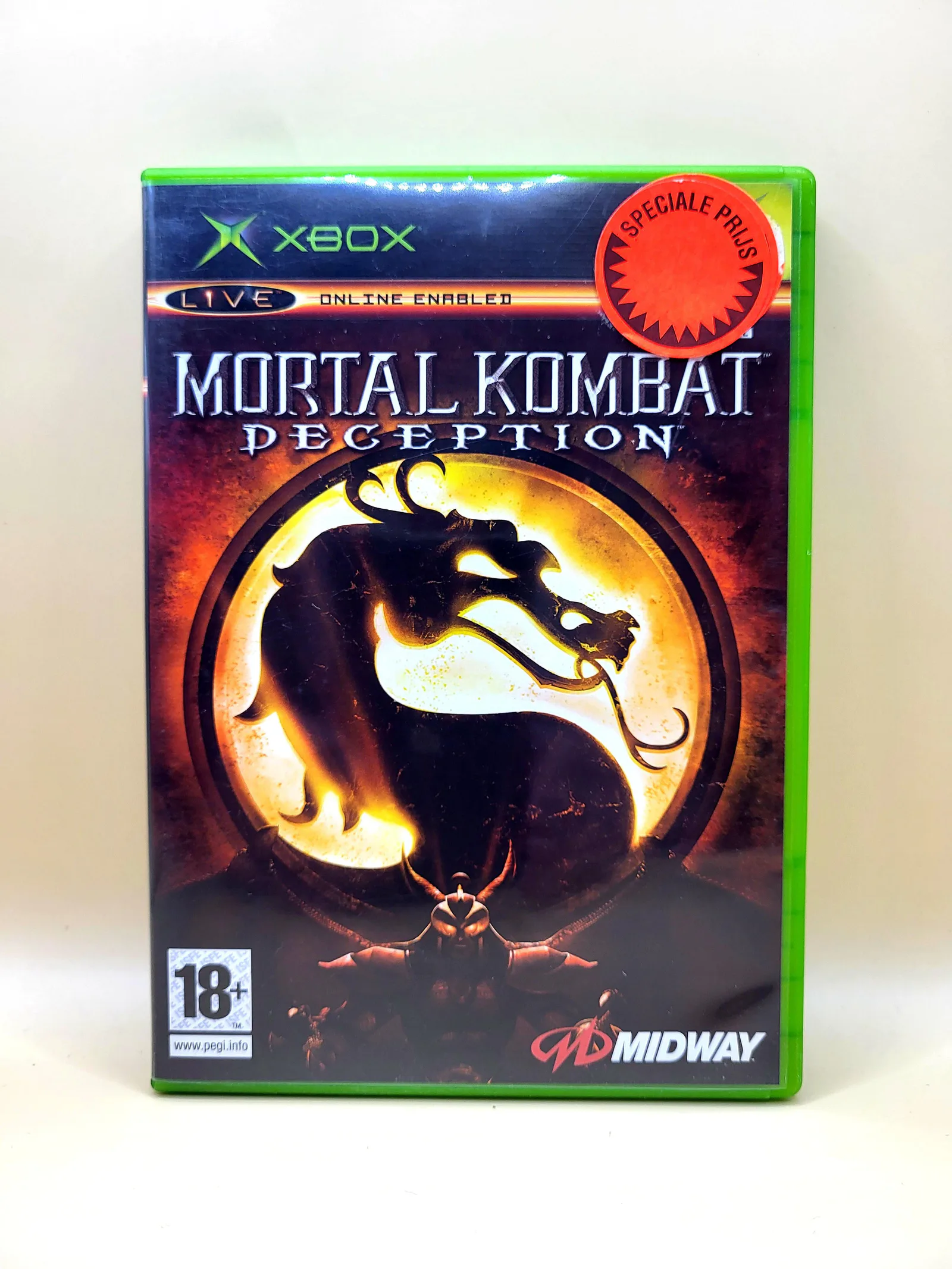
Mortal Kombat: Deception for Xbox Original
Mortal Kombat: Deception for Xbox Original combines one-on-one fighting with an adventure through the realms of Mortal Kombat. Most fighters have three styles, including weapon techniques. A combo breaker can interrupt an opponent’s attack chain, but your supply per match is limited. Some arenas have deadly traps. Your position can therefore become just as important as the next strike you intend to make.
Konquest follows Shujinko on a long journey. You explore areas, talk to characters and learn fighting techniques through tasks. The journey connects encounters and training to the story of the Dragon King Onaga. In the Krypt you spend earned Koins on hidden content. The standard Arcade sequence and practice remain available too. You can therefore work on a particular combination or immediately start a new series of duels with another warrior.
Chess Kombat uses a board where a confrontation between pieces is decided by an actual fight. Puzzle Kombat centres on coloured blocks, chain reactions and disrupting your opponent. Both give the familiar characters a different role from their usual arena appearances. You can play locally with two players. This description concerns the content on the disc and does not promise that the original online features still work.
Region and language
Our Xbox Original games are PAL editions and come with a Dutch or English box, unless stated otherwise. By default, you receive the version for the European market. We note it in the product details if the region is different or the box is in another language. In almost all cases, the game is playable at least in English, and often in the other five common European languages too.
Manual
Mortal Kombat: Deception for Xbox Original includes the manual unless the product title states otherwise. If the booklet is missing, the title says “No Manual”. This lets you see before ordering whether the game comes with a manual.
The manuals included with our games usually contain at least English and often around six European languages. The exact languages vary by edition, so Dutch is not always included. The booklet explains the controls and the main rules. You can use it to check how to control the game, which actions are available and how its different features work.
The history of Mortal Kombat: Deception
Midway released Mortal Kombat: Deception for PlayStation 2 and Xbox in 2004. The sequel to Deadly Alliance retained switchable fighting styles and expanded both combat and the activities surrounding it. Onaga became the story’s central threat. The title fits a world where characters do not always realise who is using them. Konquest allowed players to follow that theme from another perspective through Shujinko’s journey.
Konquest changed substantially. Deadly Alliance’s short learning challenges gave way to areas with inhabitants, lessons and hidden objects. You met characters from different instalments and connected their techniques to one traveller’s progress. This gave the fighting game a narrative route outside a sequence of separate matches. Training remained part of the design, but gained a setting and a protagonist to hold it together.
Chess Kombat and Puzzle Kombat also showed how Midway placed familiar fighters in other kinds of game. Meanwhile, combo breakers and hazardous arenas made ordinary duels less predictable. A GameCube version with its own additional characters appeared in 2005; those are not part of this earlier Xbox Original edition. Within the series, Deception remains distinctive for its combination of style switching, Shujinko’s exploration and the separate board and block games.
Similar games for Xbox Original
Mortal Kombat: Deadly Alliance also uses three fighting styles, weapons and Krypt rewards. Its Konquest consists of learning challenges for different fighters. Deception gives that training a larger adventure centred on Shujinko and adds Chess Kombat and Puzzle Kombat. Combo breakers and deadly arena traps also change standard duels. The earlier game focuses its side activities more on practice and collecting content.
Soulcalibur II shares three-dimensional arenas, sidestepping and an emphasis on distance. Weapons define almost the entire fight there, whereas Deception lets you switch between a weapon style and two unarmed styles. Ring-outs play a clear role in Soulcalibur II. Mortal Kombat also places more emphasis on special attacks, bloody finishing moves and Krypt rewards.
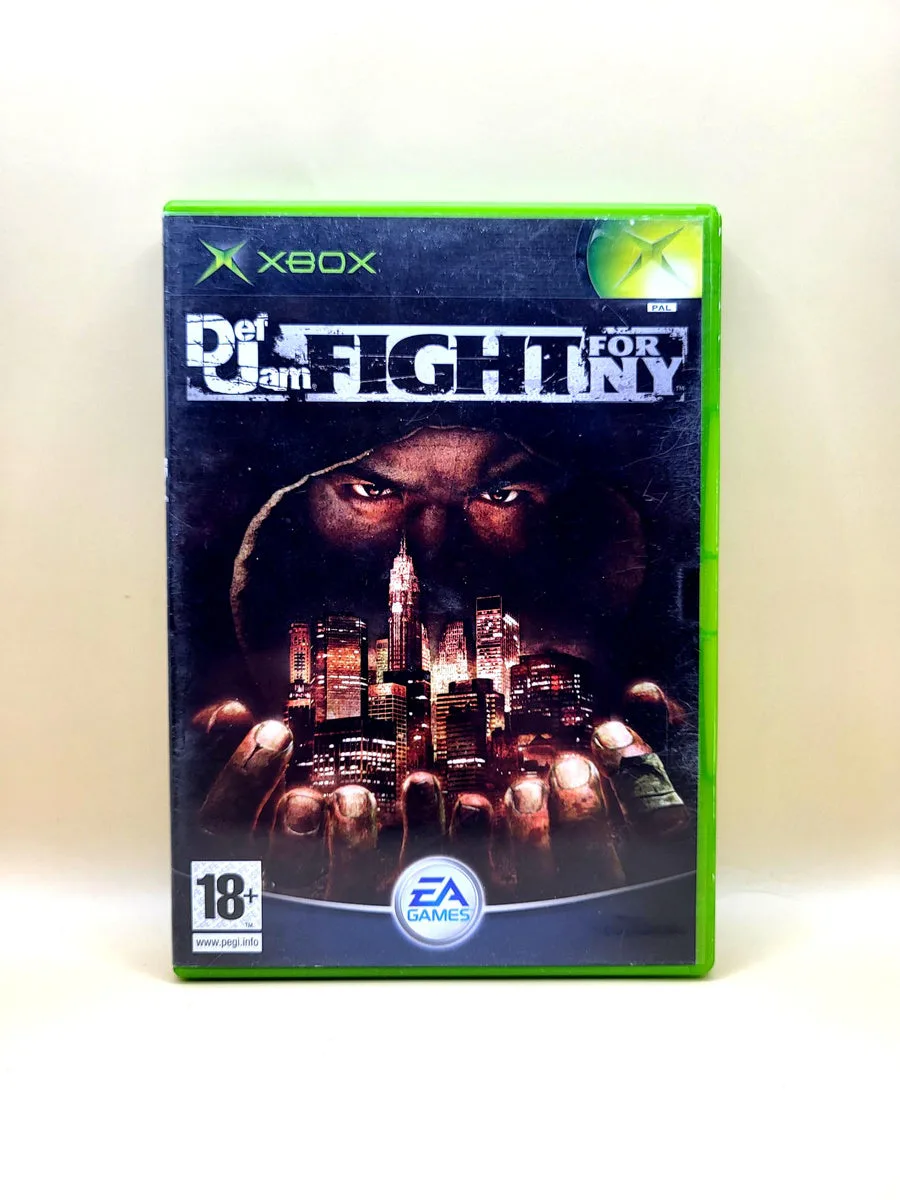
Def Jam: Fight for NY also combines several fighting styles, but develops a custom fighter through street fights and a hip-hop story. Spectators and objects around the fighting area can become part of the action. Deception uses fixed characters with their own styles and supernatural attacks. Both combine techniques, but the rules and surroundings of a fight differ considerably.
Dead or Alive 3 uses three-dimensional arenas and lets you answer attacks with blocking, throws and holds. This can interrupt a predictable opponent without first starting a long attack yourself. Deception instead emphasises three styles and switching to a weapon. Both reward knowledge of your opponent, but their defensive systems and attack chains work differently.
Fight Night Round 2 turns the duel into a boxing match where punches, guarding and stamina determine distance. Deception adds kicks, weapons and supernatural techniques, and lets you move sideways around an arena. Both require reading an opponent, but boxing restricts your tools far more. A boxer’s career also differs from the Arcade sequence and the Krypt.