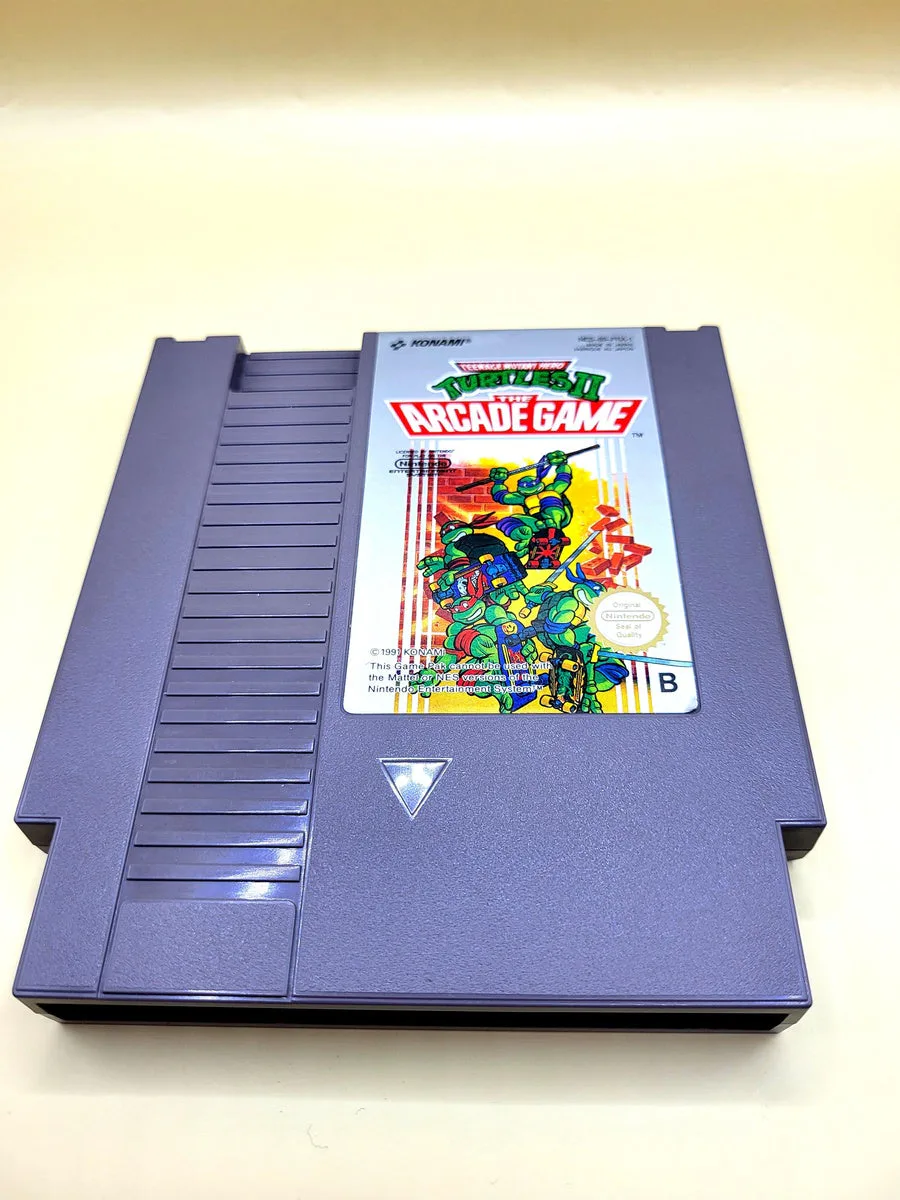
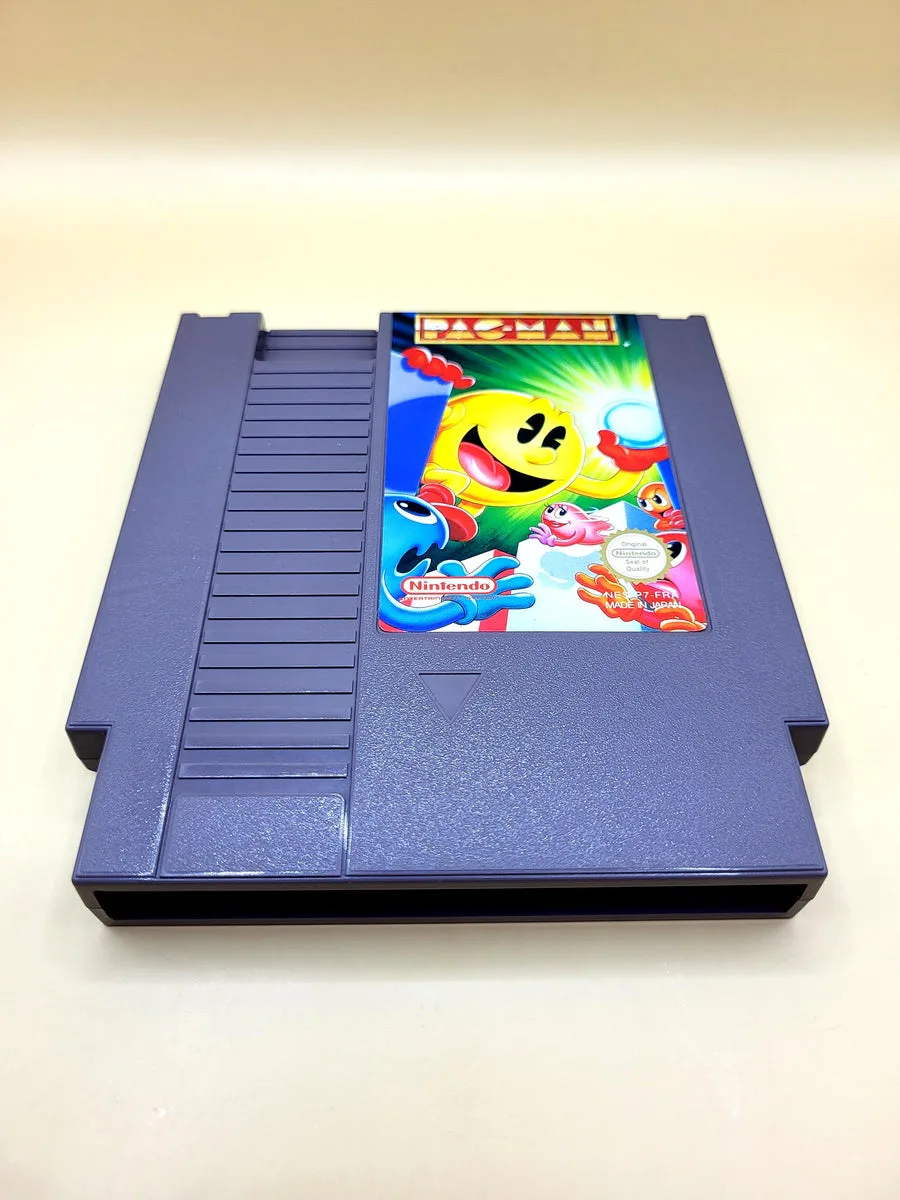
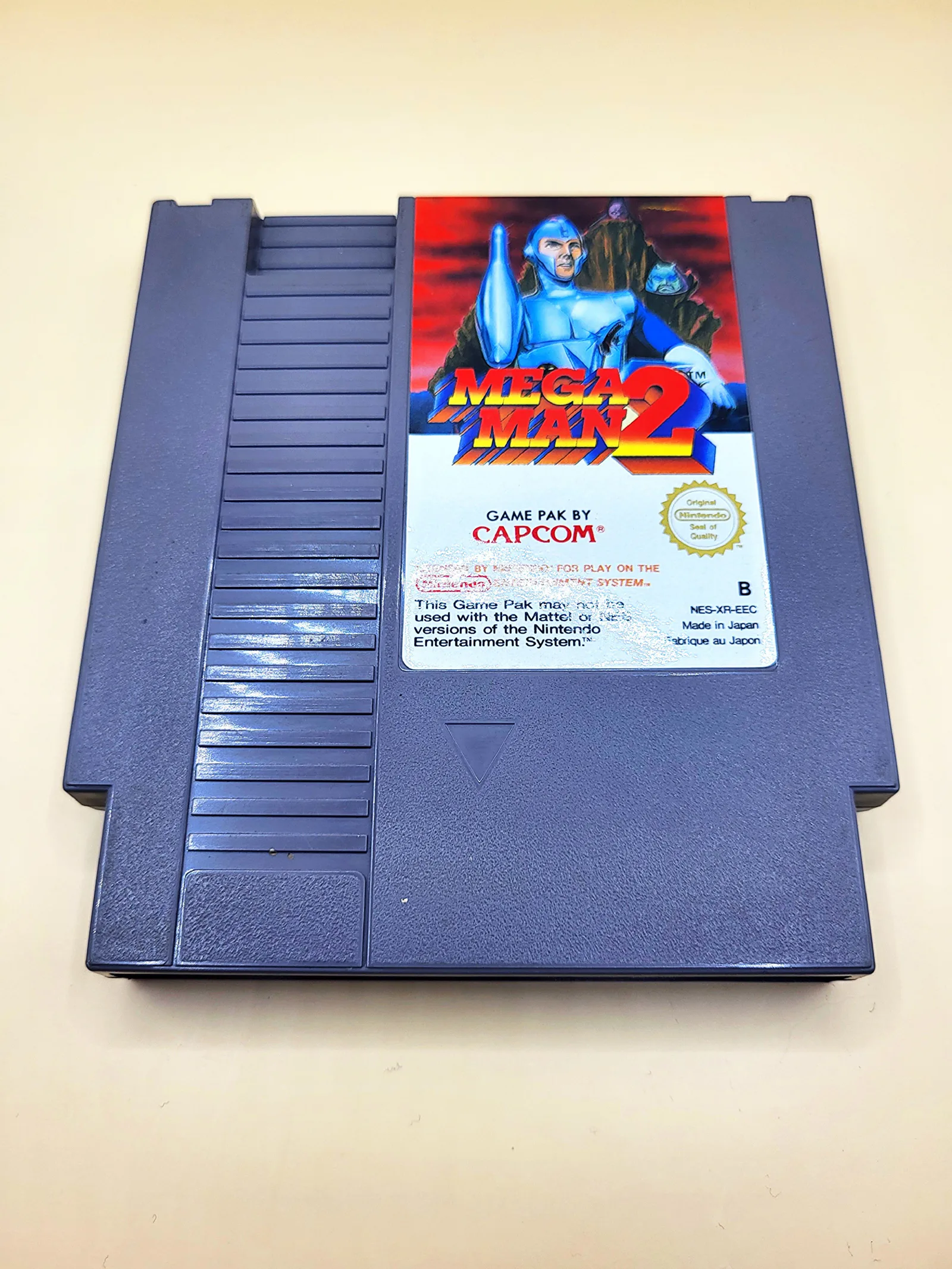
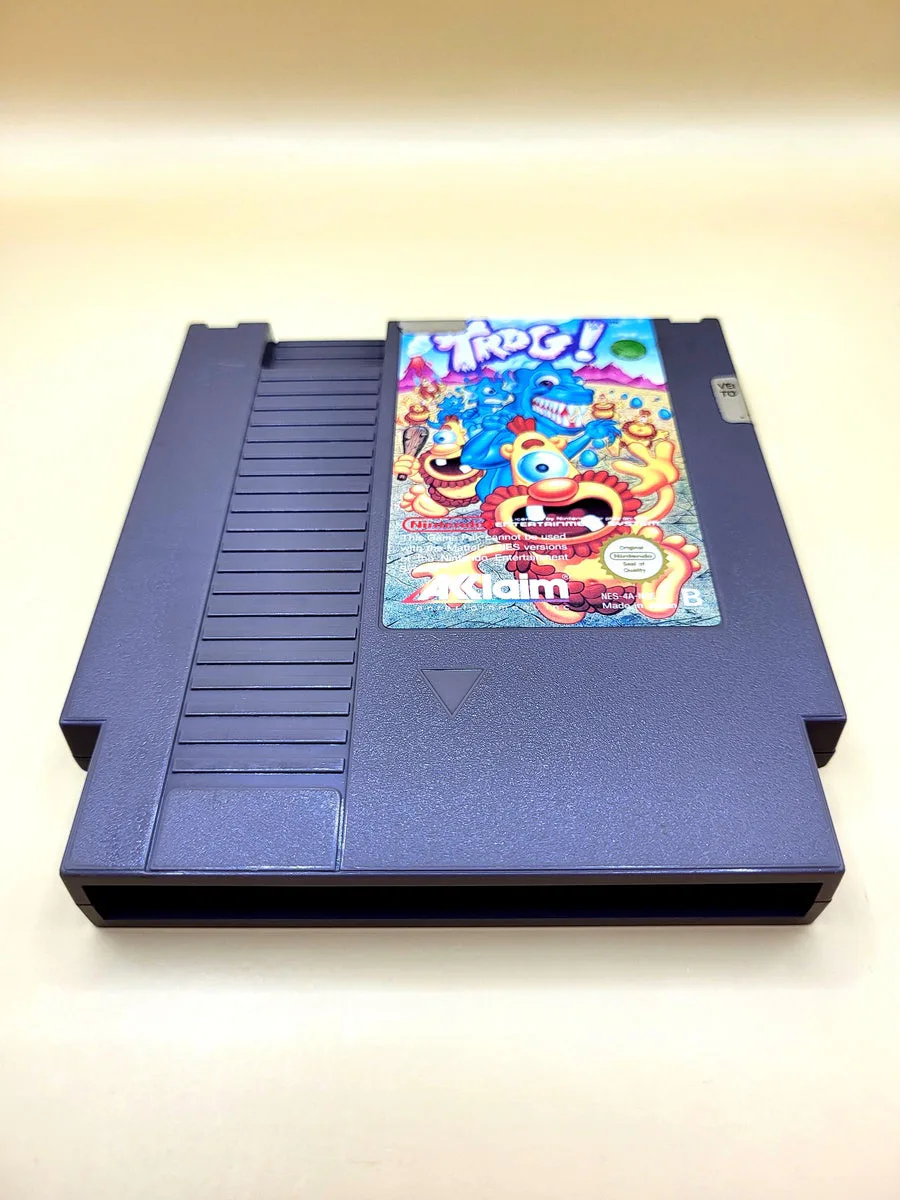
This product is like new. At NexWave Games, like new means:
Additionally, all discs at NexWave Games are carefully inspected and assessed for quality. When discs arrive, we do not accept any that are so badly damaged that they are unlikely to work. We only accept discs with light scratches at most. Discs with scratches are then treated in our professional disc repair machine. By warming the disc and polishing it with soft brushes, these machines can remove a very thin layer from the disc. This removes the layer containing surface scratches and improves the disc’s readability. This ensures the disc works properly, even on consoles with ageing lasers that have difficulty reading games! Great news for the player.
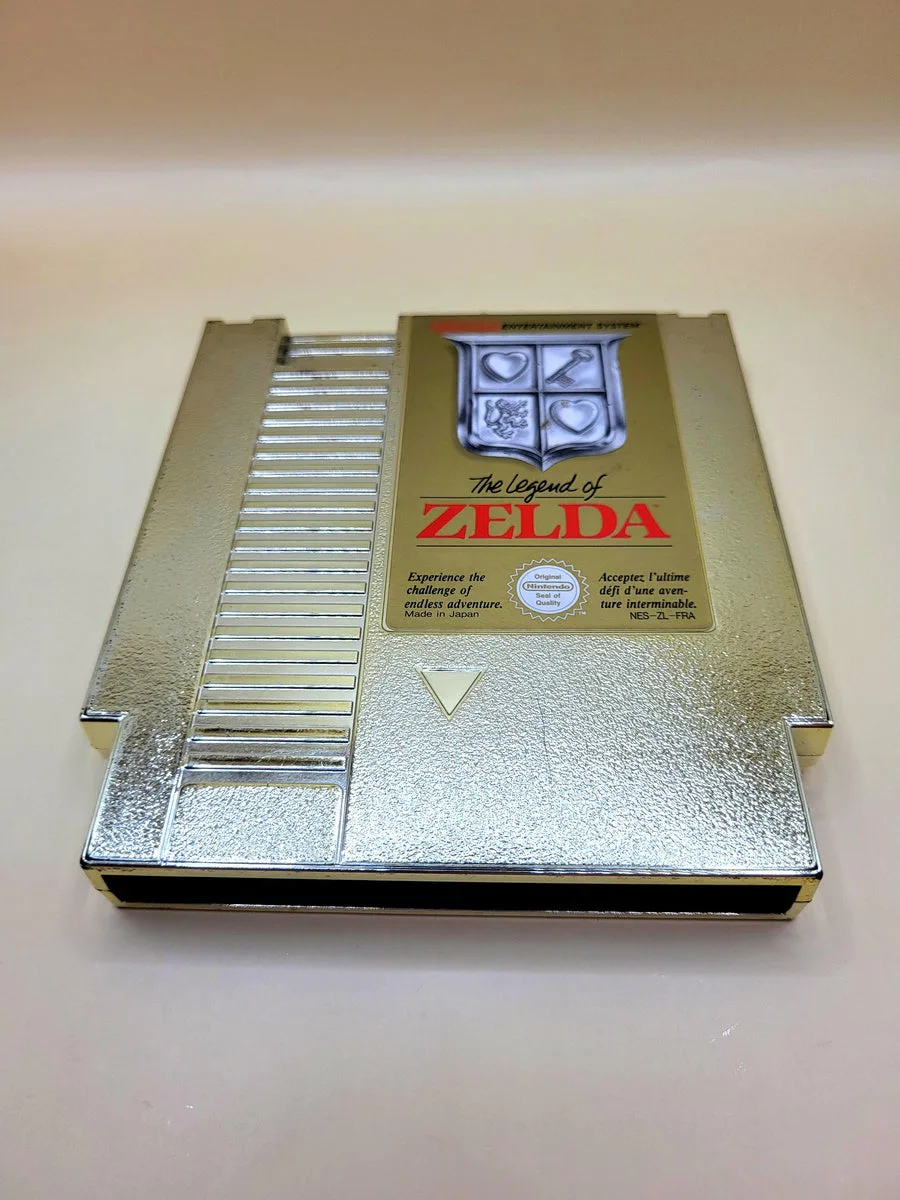
The Legend of Zelda for Nintendo NES
The Legend of Zelda for Nintendo NES is an action adventure in which you explore the land of Hyrule as Link. Princess Zelda has divided the Triforce of Wisdom into eight pieces to keep it out of Ganon's hands. You search underground dungeons for the fragments and prepare for the confrontation in Death Mountain. Above ground, you choose your own route past forests, lakes, caves and shops.
You fight with a sword and also choose an item for the B button. A boomerang stops enemies, bombs open hidden passages and a candle helps in dark rooms. You cannot overcome every obstacle straight away: a raft or ladder makes new places reachable later. Maps and compasses help you in the dungeons, but you must keep an eye out for suspicious walls, locked doors and clues from the inhabitants yourself.
You play this adventure alone with one standard controller. The cartridge uses battery-backed saving and provides three files for separate adventures. Save in the Game Over menu stores your progress; the game does not save automatically at every moment. With a second controller, you can also open the save menu from the inventory screen by pressing Up and A together. After completing the game, the harder Second Quest awaits, with rearranged dungeons and relocated secrets.
Region and language
Our Nintendo NES games are PAL editions, unless stated otherwise. This product contains a loose cartridge for the European market. A box is only included if explicitly stated in the product details. We note any different region in the product details. In almost all cases, the game is playable at least in English, and often in the other five common European languages too.
Manual
With The Legend of Zelda for Nintendo NES, you receive a loose cartridge. A box and manual are not included unless we explicitly state otherwise in the product details. This is the standard way we supply this copy.
The history of The Legend of Zelda
Nintendo released The Legend of Zelda in Japan for the Famicom Disk System in February 1986. Europe received the NES cartridge in 1987. Shigeru Miyamoto and Takashi Tezuka worked on the design, with programmer Toshihiko Nakago as an important technical partner. The team developed Zelda and Super Mario Bros. partly alongside one another. Whereas Mario leads you through successive courses, Zelda let you find your own way through an interconnected land full of hidden places.
Early design documents show how concretely the adventure had already been worked out in 1985. They included compasses, boomerangs, bows and enemies. Miyamoto and Tezuka drew the world map together on a long sheet of paper. Miyamoto later explained that adventure films and players sharing information about role-playing games appealed to him. Treasure hunting, exchanging clues and gradually getting to know a world therefore became central parts of the game.
The Second Quest also has its own origin story. When assembling the dungeons, it turned out that Tezuka had used only half the available data space. Nakago pointed this out, and the team used the remaining space for a second, harder adventure. The NES release preserves game data using a battery inside the cartridge, whereas the original Japanese release appeared on disk. This made lengthy exploration possible on a standard NES too, spread across several playing sessions.
Similar games for Nintendo NES
Zelda II: The Adventure of Link for Nintendo NES carries over Hyrule, the sword and the search for important items. The world map is viewed from above again, but battles and towns appear from the side. Link jumps and learns attacks at different heights. The first Zelda keeps the same overhead view for exploration and combat; the sequel also adds experience points and separate upgrades for attack, magic and life energy.
Metroid for Nintendo NES also has you return to familiar areas when new equipment opens a passage. Samus uses bombs and a ball form, for example, to reach hidden routes. Her adventure is viewed from the side, however, and you fire an arm cannon instead of fighting with a sword. The NES version of Metroid resumes with passwords, whereas The Legend of Zelda preserves three adventures using battery-backed saves.
Faxanadu on Nintendo NES combines sword fighting, magic and exploration of a world with towns. Like Link, you buy useful items and seek passages that are initially inaccessible. Faxanadu places your hero in a side-view World Tree and lets you purchase equipment from different shops. Zelda divides its adventure between an overworld and separate dungeons, with useful tools usually discovered while exploring those dungeons.
The Battle of Olympus for Nintendo NES sends Orpheus through a mythological world to rescue Helene. Like Link, you receive help from other characters and use items you find to progress. Orpheus jumps through side-view areas and receives assistance from Greek gods. Zelda's main challenges take place in rooms viewed from above, allowing you to approach enemies and passages from different directions.
Crystalis on Nintendo NES shares the overhead view, real-time sword fighting and search for new possibilities in previously visited areas. You can charge the four elemental swords and strengthen them with matching items. You also gain experience and learn spells. The Legend of Zelda has no experience levels: you become stronger by finding better equipment and extra heart containers, keeping exploration directly linked to your progress.