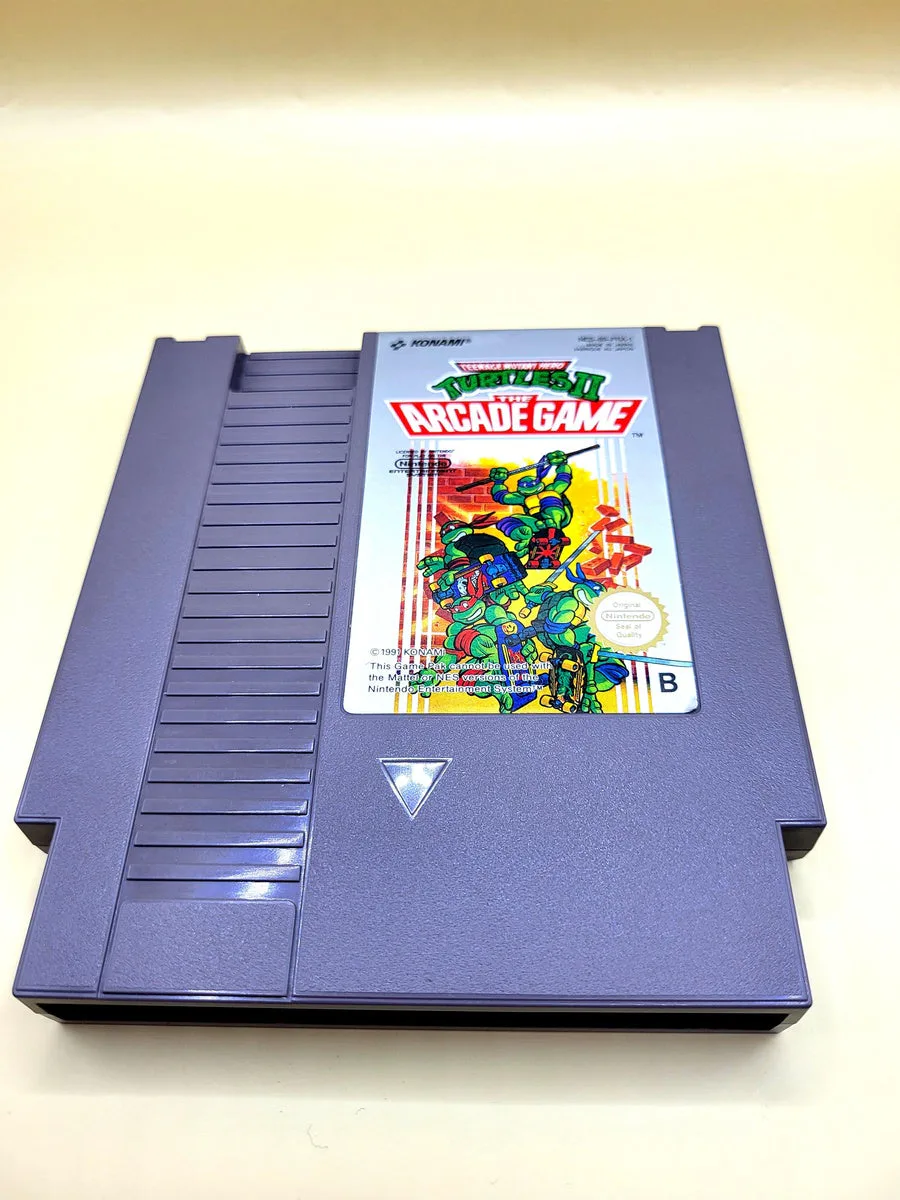
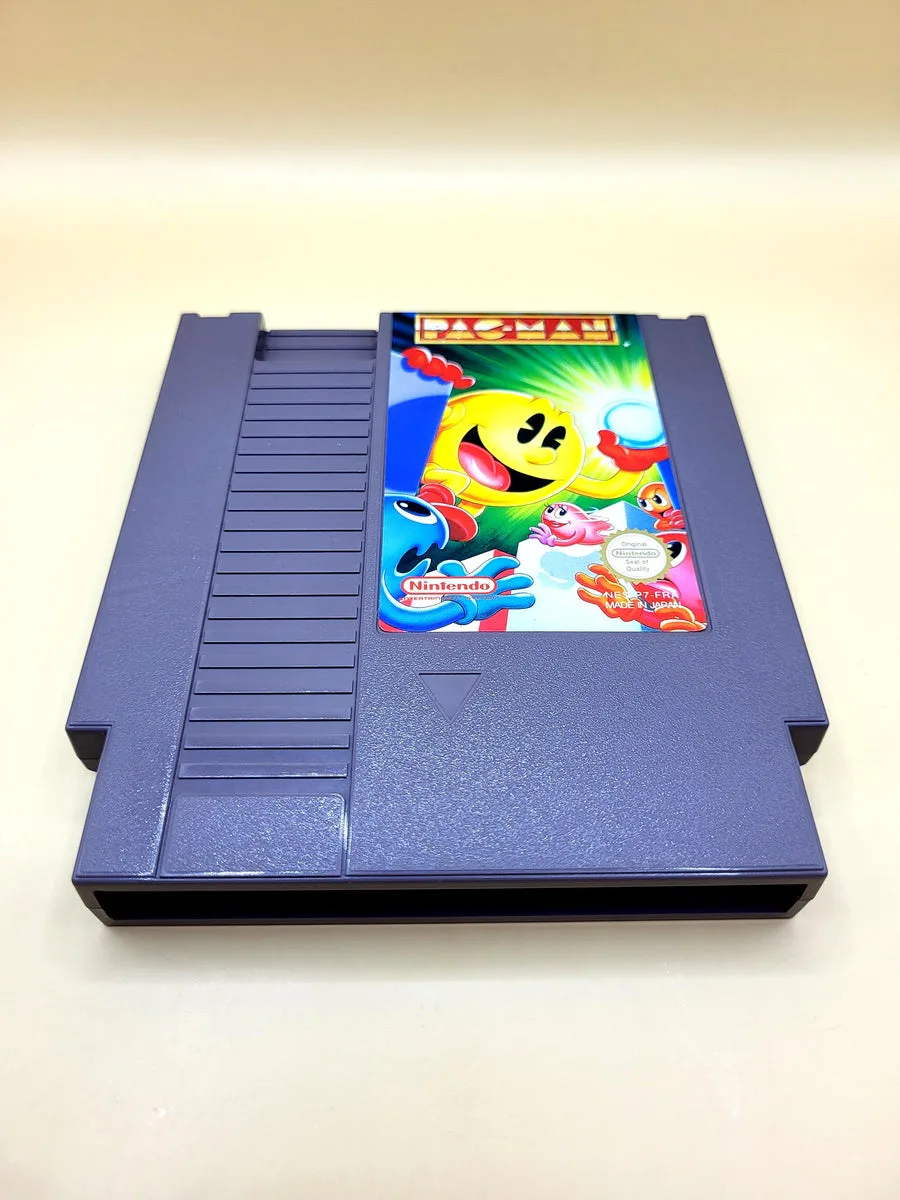
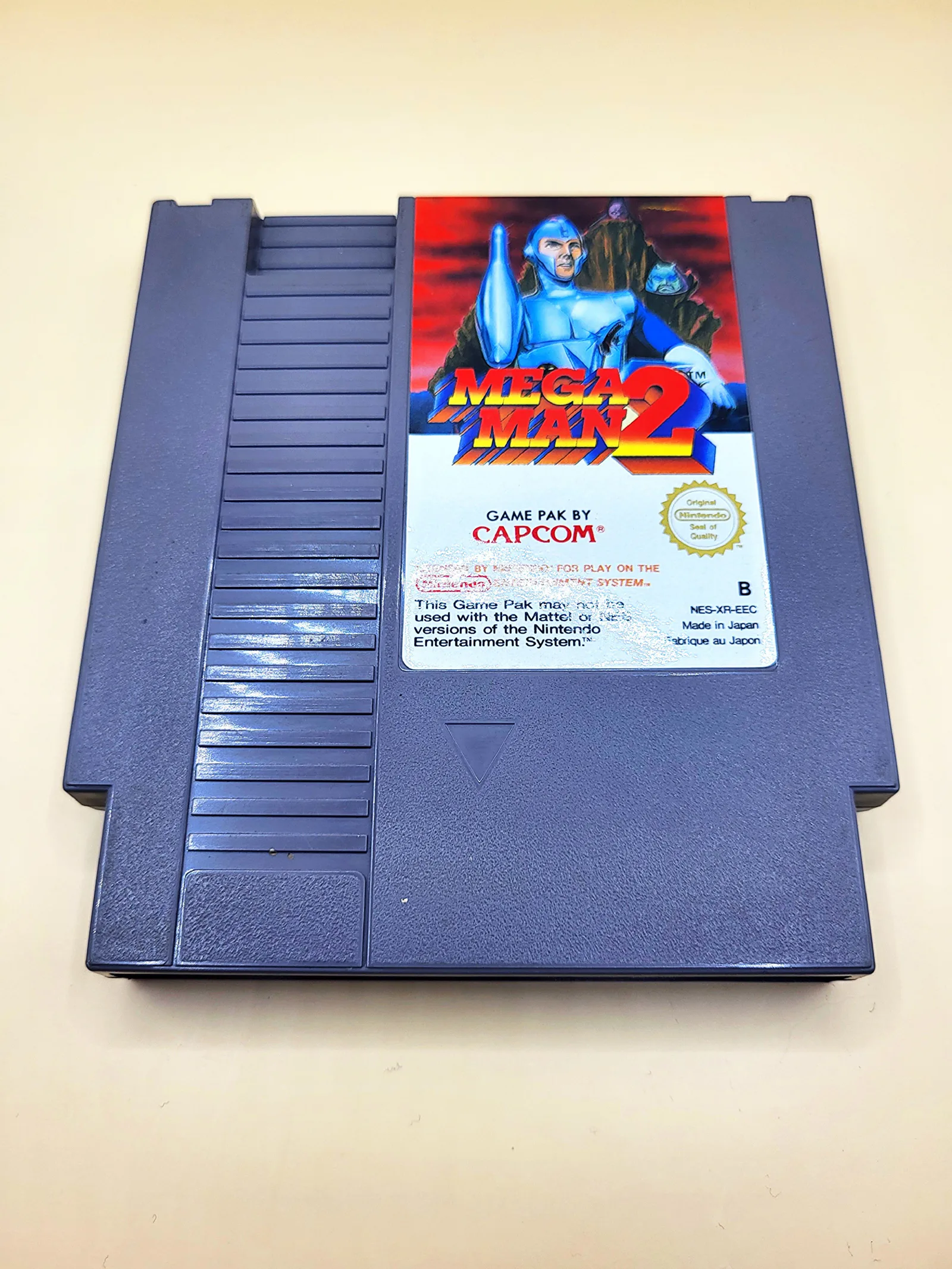
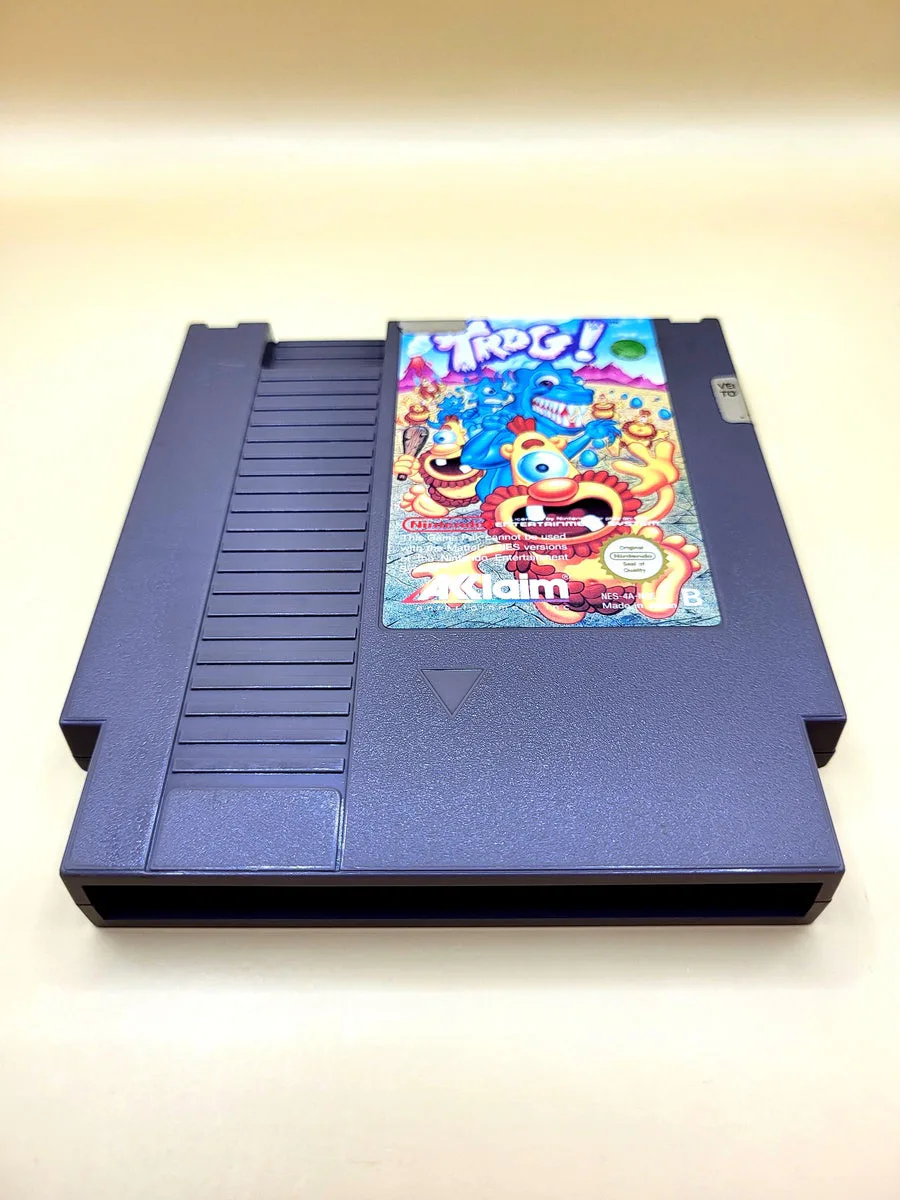
This product is like new. At NexWave Games, like new means:
Additionally, all discs at NexWave Games are carefully inspected and assessed for quality. When discs arrive, we do not accept any that are so badly damaged that they are unlikely to work. We only accept discs with light scratches at most. Discs with scratches are then treated in our professional disc repair machine. By warming the disc and polishing it with soft brushes, these machines can remove a very thin layer from the disc. This removes the layer containing surface scratches and improves the disc’s readability. This ensures the disc works properly, even on consoles with ageing lasers that have difficulty reading games! Great news for the player.
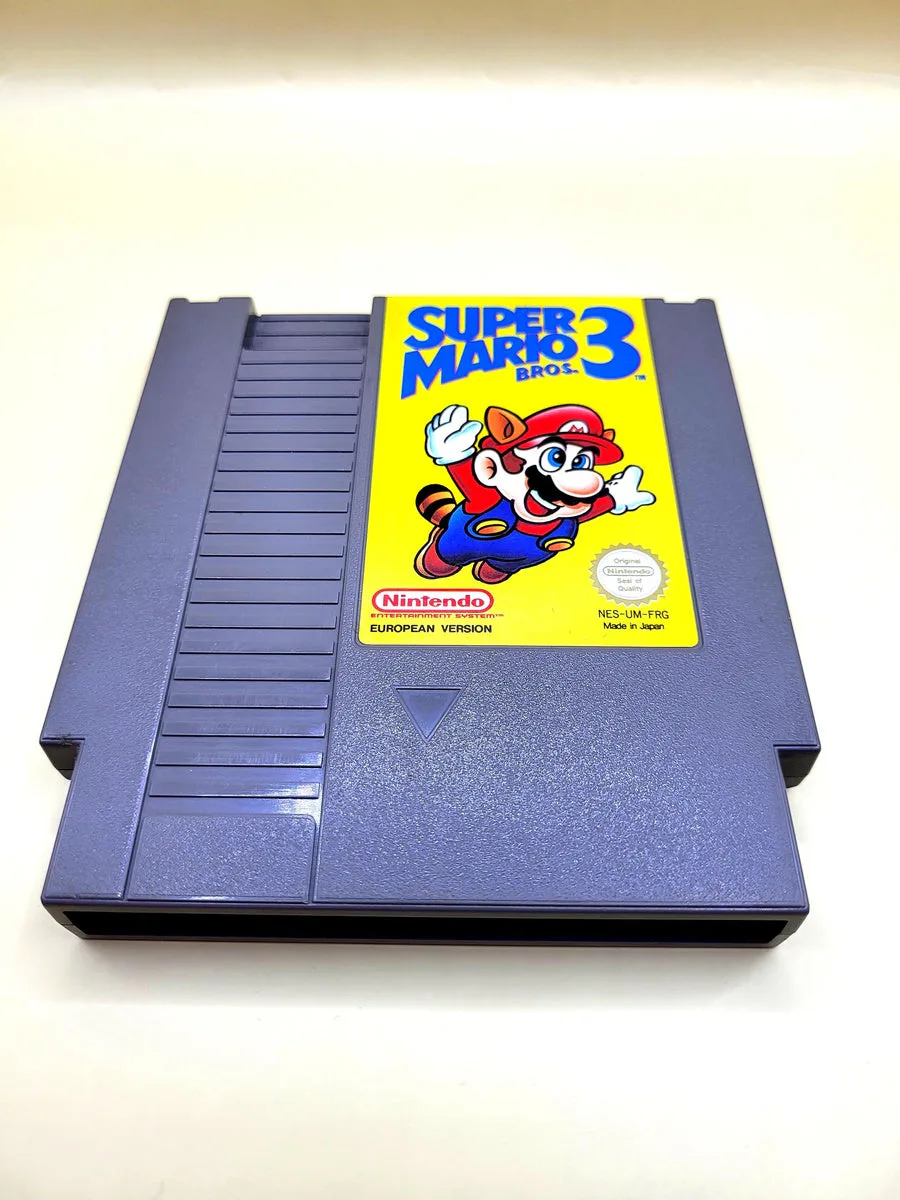
Super Mario Bros. 3 for Nintendo NES
Super Mario Bros. 3 for Nintendo NES takes you through eight worlds, each with its own map. You choose routes between levels, visit Toad Houses and try to clear fortresses. Bowser and the Koopalings have taken the kings' magic wands. You chase the airships to recover them. Along the way, grasslands give way to deserts, water areas, ice and a world where enemies and blocks are much larger than you are used to.
A Super Leaf gives Mario ears and a raccoon tail. With a sufficient running start, you fill the power meter and can fly temporarily; the tail hits enemies and blocks. The Frog Suit helps you in water, while the Tanooki Suit briefly turns you into a statue. You keep earned items in an inventory opened on the world map. This lets you activate a power-up before starting a difficult level.
You play alone or with two players as Mario and Luigi. In regular levels, you take turns. When occupying the same map space, you can challenge each other to a separate Mario Bros. battle in which you do play simultaneously. This uses two standard NES controllers. The original NES cartridge has no saving feature or passwords. Your map progress and inventory are not retained after switching off; secrets and Warp Whistles do offer shorter routes during a new attempt.
Region and language
Our Nintendo NES games are PAL editions, unless stated otherwise. This product contains a loose cartridge for the European market. A box is only included if explicitly stated in the product details. We note any different region in the product details. In almost all cases, the game is playable at least in English, and often in the other five common European languages too.
Manual
With Super Mario Bros. 3 for Nintendo NES, you receive a loose cartridge. A box and manual are not included unless we explicitly state otherwise in the product details. This is the standard way we supply this copy.
The history of Super Mario Bros. 3
Nintendo released Super Mario Bros. 3 for the Japanese Famicom in 1988. North America followed in 1990 and Europe in 1991. Shigeru Miyamoto and Takashi Tezuka worked on Mario's platform adventure again, with Toshihiko Nakago and SRD programming and Koji Kondo composing the music. Following the differing second instalments in Japan and the West, this sequel developed the jumping controls and power-ups of the first Super Mario Bros. further.
Flight required adjustments during development. Initially, Raccoon Mario could remain airborne continuously, making ground obstacles lose their purpose. Tezuka wanted to keep the transformation. The team therefore tied take-off to a running start and reviewed the levels to make room for that run-up. The P-Wing became a separate item allowing longer flight. The final jumping routes thus evolved alongside the new abilities.
The map also changed the adventure's structure. Levels appear as points along a route, with branches, fortresses and stops where you obtain items or lives. In two-player games, Mario and Luigi mark their cleared levels on the same map. The separate battle recalls the older Mario Bros., with enemies emerging from pipes and attacks from underneath. Super Mario All-Stars later brought an updated version to Super Nintendo, but its saving feature is absent from this original NES cartridge.
Similar games for Nintendo NES
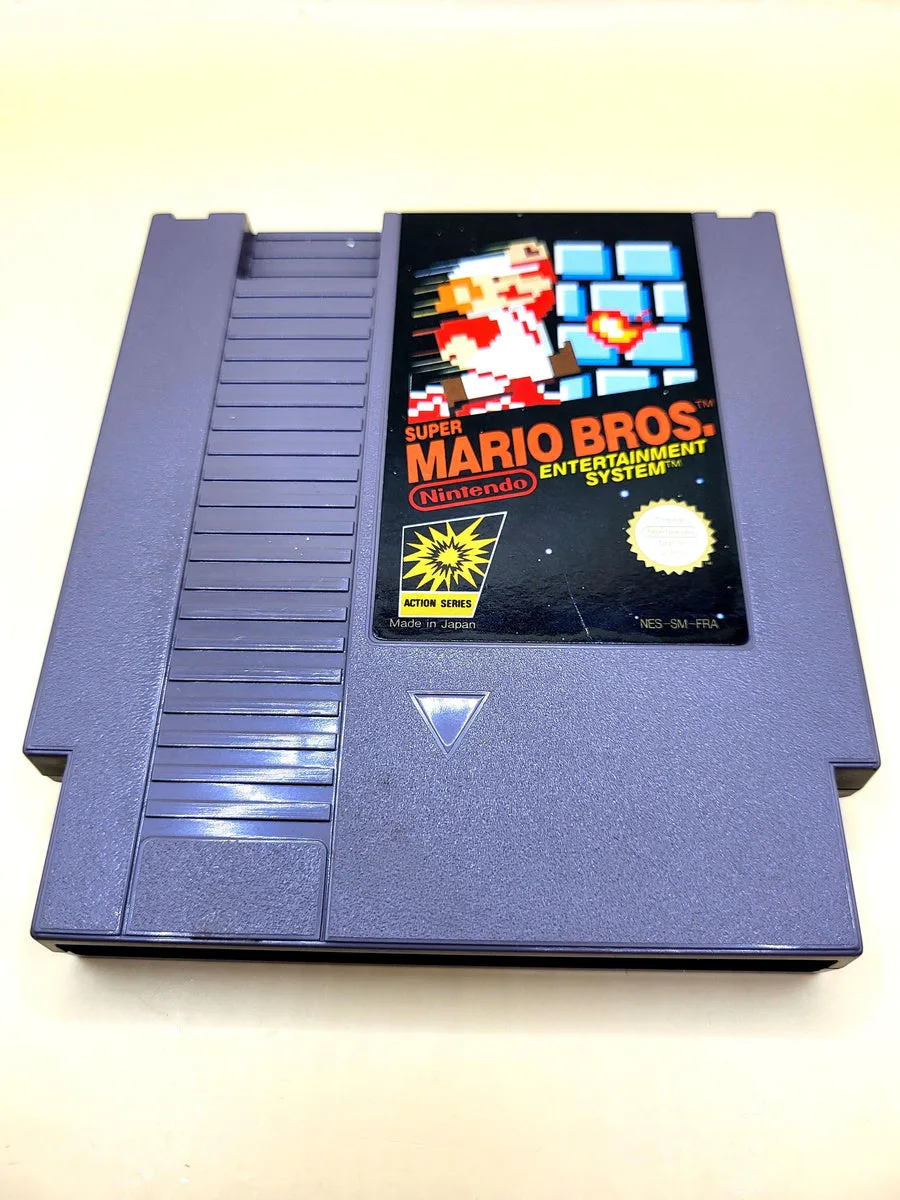
Super Mario Bros. provides the same foundations of running starts, jumping, collecting coins and landing on enemies. The third game expands this with a world map, inventory system and more transformations. In the first game, you move between levels without a map and cannot fly with a raccoon tail. Both original NES cartridges lack permanent saving. Two players take turns, but only the third game also adds separate simultaneous Mario Bros. battles.
Super Mario Bros. 2 also lets you explore varied platform routes and hidden passages. There, you choose a character with fixed abilities, such as Luigi's high jump or the floating princess. The third game mainly ties new movements to found items and costumes. Combat also differs: the second revolves around throwing vegetables and enemies, while here you again jump on most regular opponents. The map and inventory also add planning between levels.
Kirby's Adventure shares the idea that a new power changes how you move through a level and attack enemies. Kirby gains those powers from swallowed opponents; Mario uses leaves, flowers and costumes, among other items. Kirby can float without a running start and saves progress on the cartridge. In Super Mario Bros. 3, Raccoon Mario must first build speed to fly. The world map makes storing items and using them at the right time more important than in Kirby.
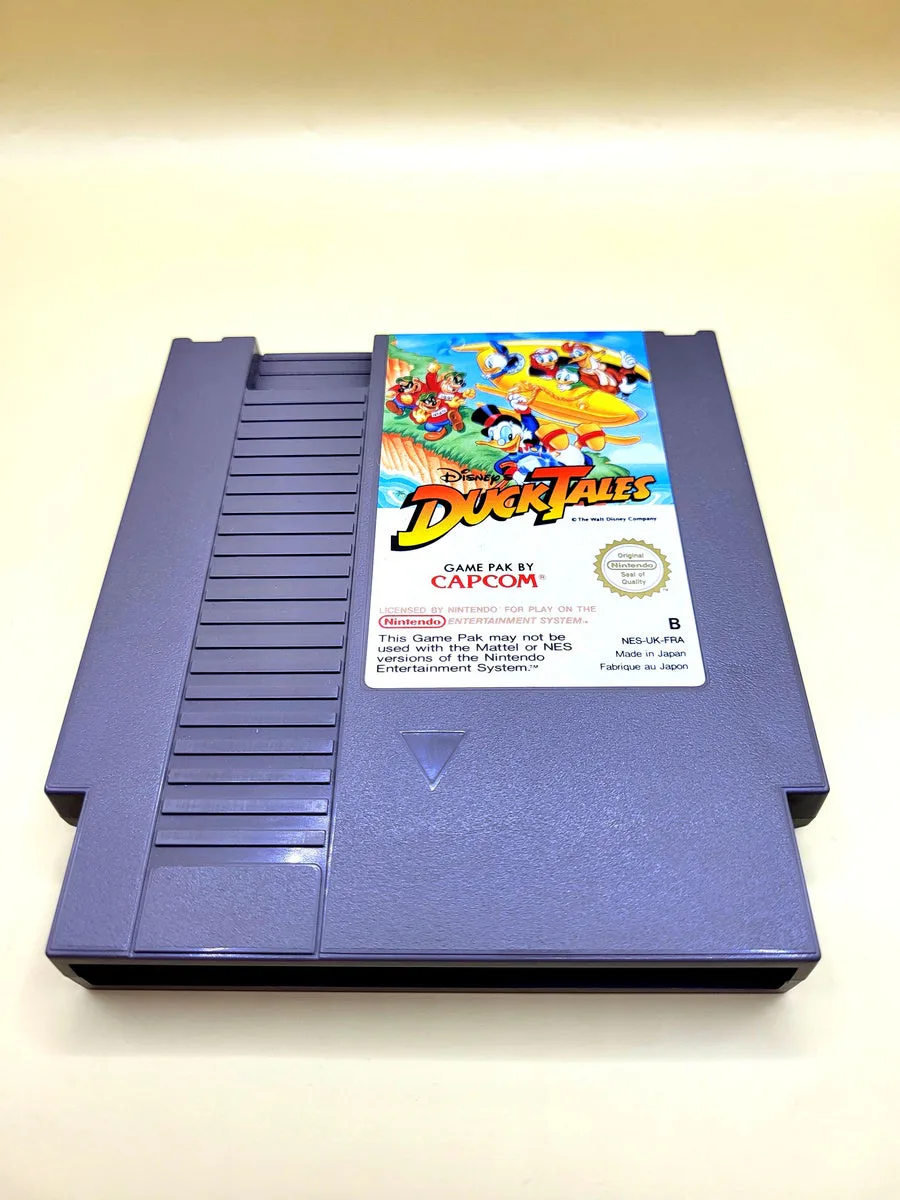
DuckTales also combines hidden places with different ways to reach platforms. Scrooge bounces on his cane and searches for treasure in areas you select yourself. Mario uses a range of power-ups and moves across maps with fixed paths and passages to unlock. Here, a costume can make an overhead or underwater route easier. DuckTales focuses mainly on reading the terrain and using the pogo, without Mario's inventory of individually activated map items.
Like Super Mario Bros. 3, Chip 'n Dale Rescue Rangers offers an adventure to share with someone on the sofa. However, the chipmunks move through the same platform levels simultaneously and throw boxes as weapons. Mario and Luigi take turns along the main route; only their separate battles are simultaneous. Rescue Rangers therefore centres more on direct cooperation on one screen. The third Mario game tracks shared progress on the world map and uses jumping, tail attacks and costumes.