This product is like new. At NexWave Games, like new means:
Additionally, all discs at NexWave Games are carefully inspected and assessed for quality. When discs arrive, we do not accept any that are so badly damaged that they are unlikely to work. We only accept discs with light scratches at most. Discs with scratches are then treated in our professional disc repair machine. By warming the disc and polishing it with soft brushes, these machines can remove a very thin layer from the disc. This removes the layer containing surface scratches and improves the disc’s readability. This ensures the disc works properly, even on consoles with ageing lasers that have difficulty reading games! Great news for the player.
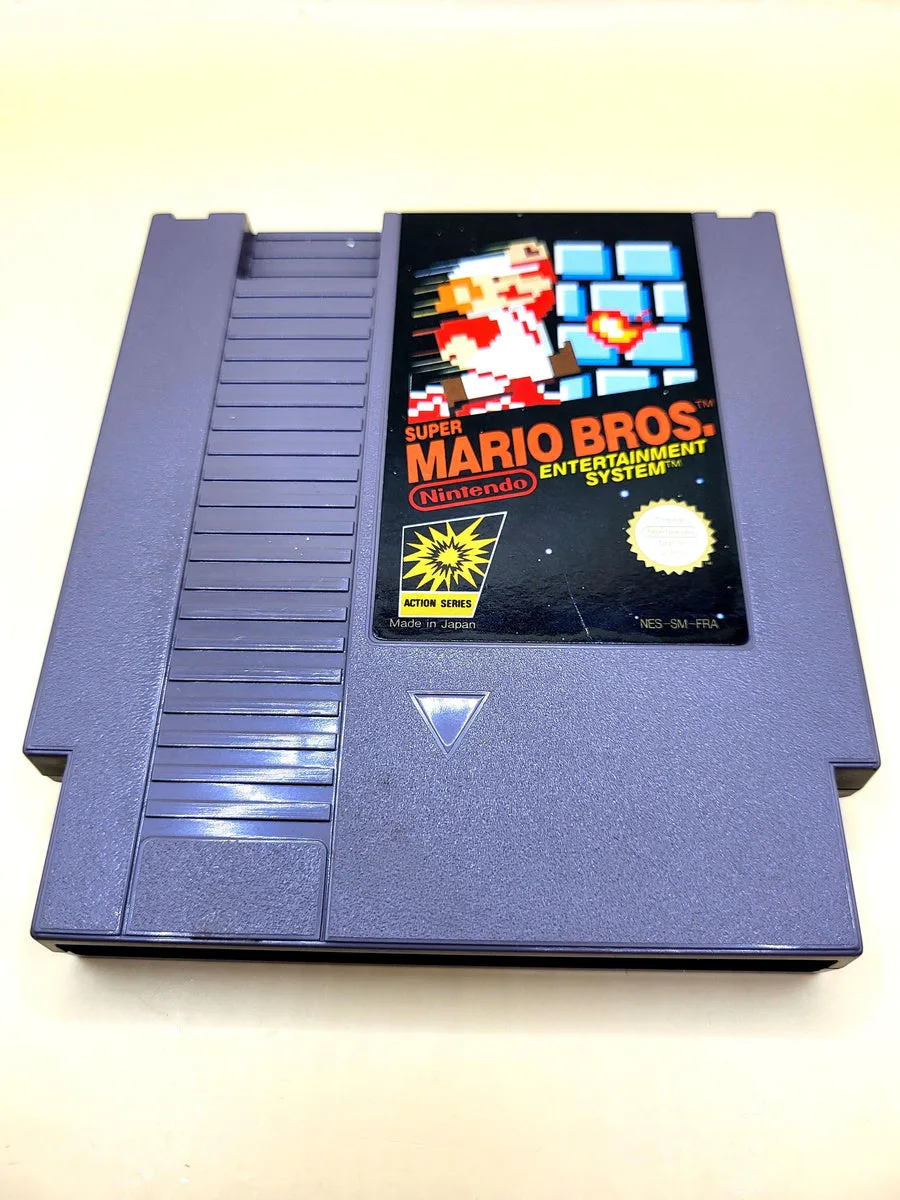
Super Mario Bros. for Nintendo NES
Super Mario Bros. for Nintendo NES has you running and jumping through eight worlds to free the princess from Bowser. Each world consists of four levels, featuring outdoor areas, underground passages, water and castles. You cross gaps, dodge fire and land on Goombas to progress. How long you hold the jump button and whether you take a running start determine how high and far Mario jumps. Meanwhile, the clock keeps ticking.
A Super Mushroom makes Mario grow and withstand an extra hit. A Fire Flower gives him fireballs, while a star makes him temporarily invincible. You can kick Koopa shells at other enemies, but a rebounding shell can hit you too. Collecting a hundred coins earns an extra life. Hidden rooms lie behind blocks and inside certain pipes; Warp Zones let you skip entire sections of the route.
You play alone or take turns as Mario and Luigi with two players. That two-player option uses two standard NES controllers; you do not travel through the same level together. The original cartridge does not save progress or use passwords. After switching off, a new session therefore starts from the beginning. During each attempt, you focus on preserving lives, placing jumps precisely and remembering the level layouts.
Region and language
Our Nintendo NES games are PAL editions, unless stated otherwise. This product contains a loose cartridge for the European market. A box is only included if explicitly stated in the product details. We note any different region in the product details. In almost all cases, the game is playable at least in English, and often in the other five common European languages too.
Manual
With Super Mario Bros. for Nintendo NES, you receive a loose cartridge. A box and manual are not included unless we explicitly state otherwise in the product details. This is the standard way we supply this copy.
The history of Super Mario Bros.
Nintendo released Super Mario Bros. in Japan in 1985. Shigeru Miyamoto and Takashi Tezuka designed the levels, while Toshihiko Nakago and SRD worked on programming. Mario had already appeared in Donkey Kong and Mario Bros., but now embarked on a long journey through a world that scrolled alongside him. The European NES release later brought that adventure here too, with its familiar blocks, pipes and enemies on cartridge.
Miyamoto and Tezuka drew their levels on paper and discussed how a player would react to an enemy or obstacle. Changes needed careful planning, because a drawn layout could not immediately be tested in a playable version. They also reused graphics to save space. Clouds and bushes, for example, use the same shapes in different colours. This allowed them to fill the limited cartridge space with many different situations.
Koji Kondo composed music for the outdoors, underground passages, underwater areas and castles. For the main theme, he sought a rhythm matching Mario's running and jumping; an earlier, calmer idea did not fit. Later sequels added new characters, maps and costumes, but the first game keeps its structure compact. Here, variable jumping, increasingly demanding obstacles and the alternation between four types of environment take centre stage.
Similar games for Nintendo NES
Super Mario Bros. 2 shares the platform jumping and search for hidden passages. There, you choose between four characters with different abilities and lift vegetables or enemies to throw them. In the first Super Mario Bros., you defeat most regular enemies by landing on them or using fireballs. The direction differs too: the sequel has more vertical exploration, while the original mainly pushes you forwards against the clock.
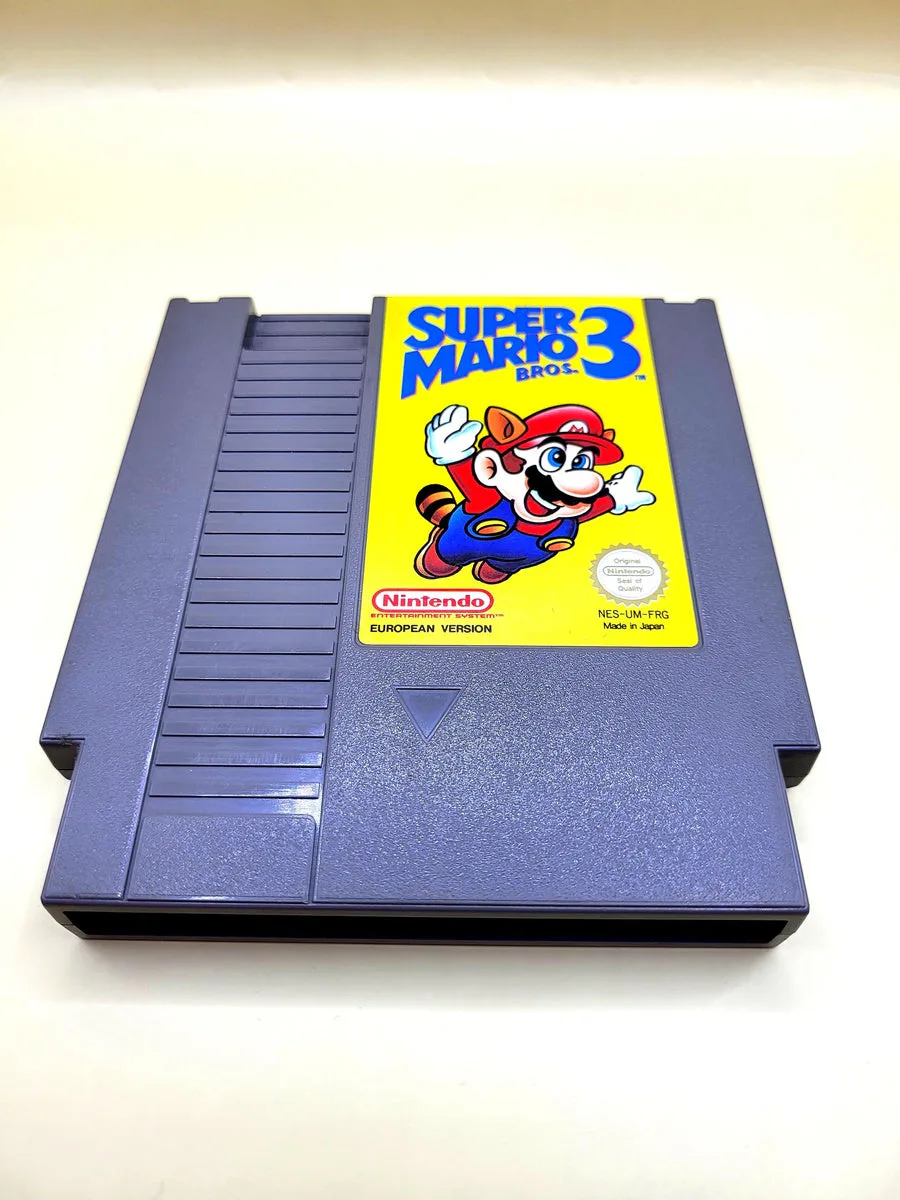
Super Mario Bros. 3 develops Mario's running starts, jumps and transformations further. It adds world maps, an item inventory and flight with a raccoon tail. The first game connects its levels without such a map and has a smaller selection of power-ups. Both games let you find secret routes and take turns with two players. The third game also has separate battles where both players appear on screen simultaneously.
Kirby's Adventure also combines platform routes, enemies and hidden places. Kirby can inflate himself to float and copy attacks from swallowed opponents. Mario must plan his jumps from the ground and gains powers from items inside blocks. A gap in Super Mario Bros. therefore mainly tests running starts and timing, while Kirby can often still steer back. Kirby's Adventure also saves progress on the cartridge, whereas this Mario game has no saving feature.
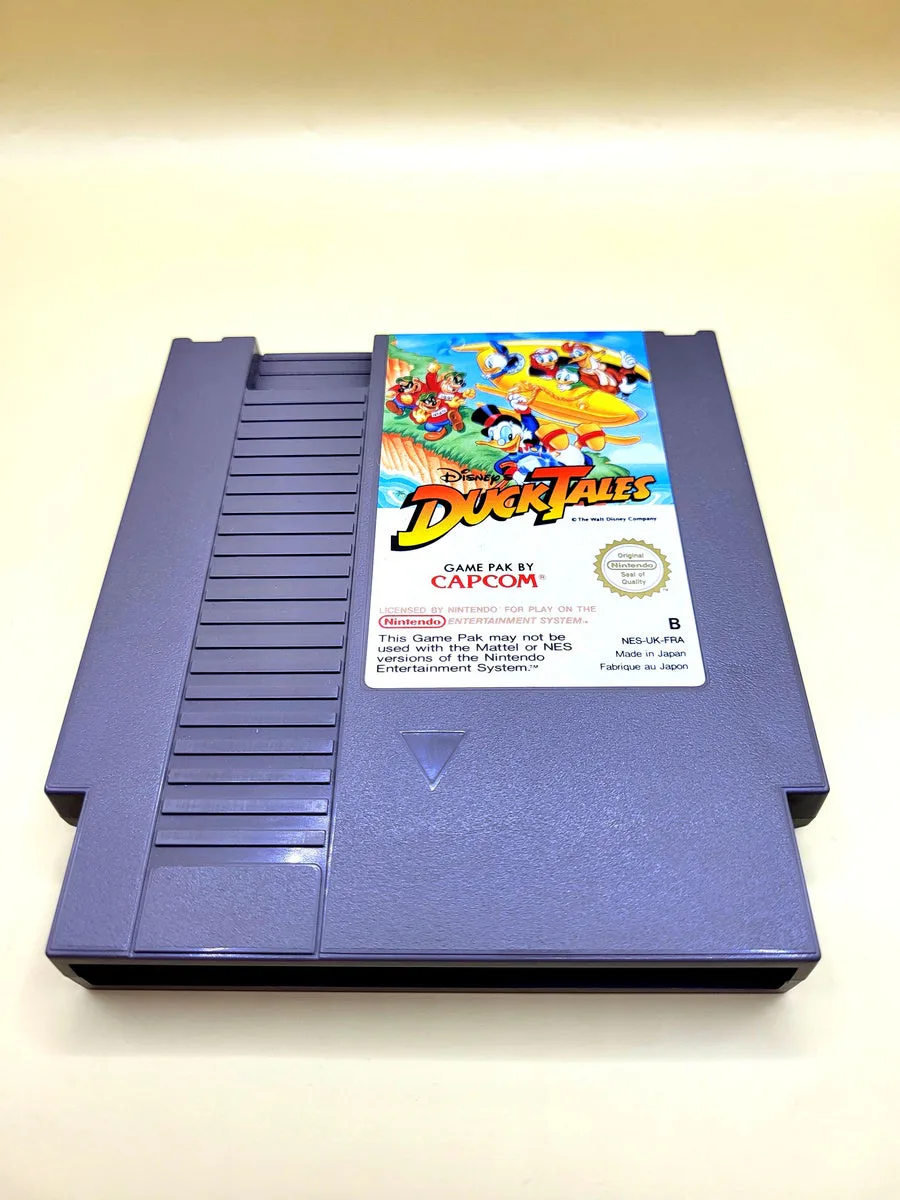
Like Super Mario Bros., DuckTales has you explore platforms, enemies and secret rooms. Scrooge uses his cane as a pogo stick to reach higher places and land on hazardous surfaces. You choose which available area to visit first and hunt for treasure. Mario follows a fixed world order unless you discover a Warp Zone. His jump button and running speed shape each leap, without a separate pogo attack or a task to collect treasure.
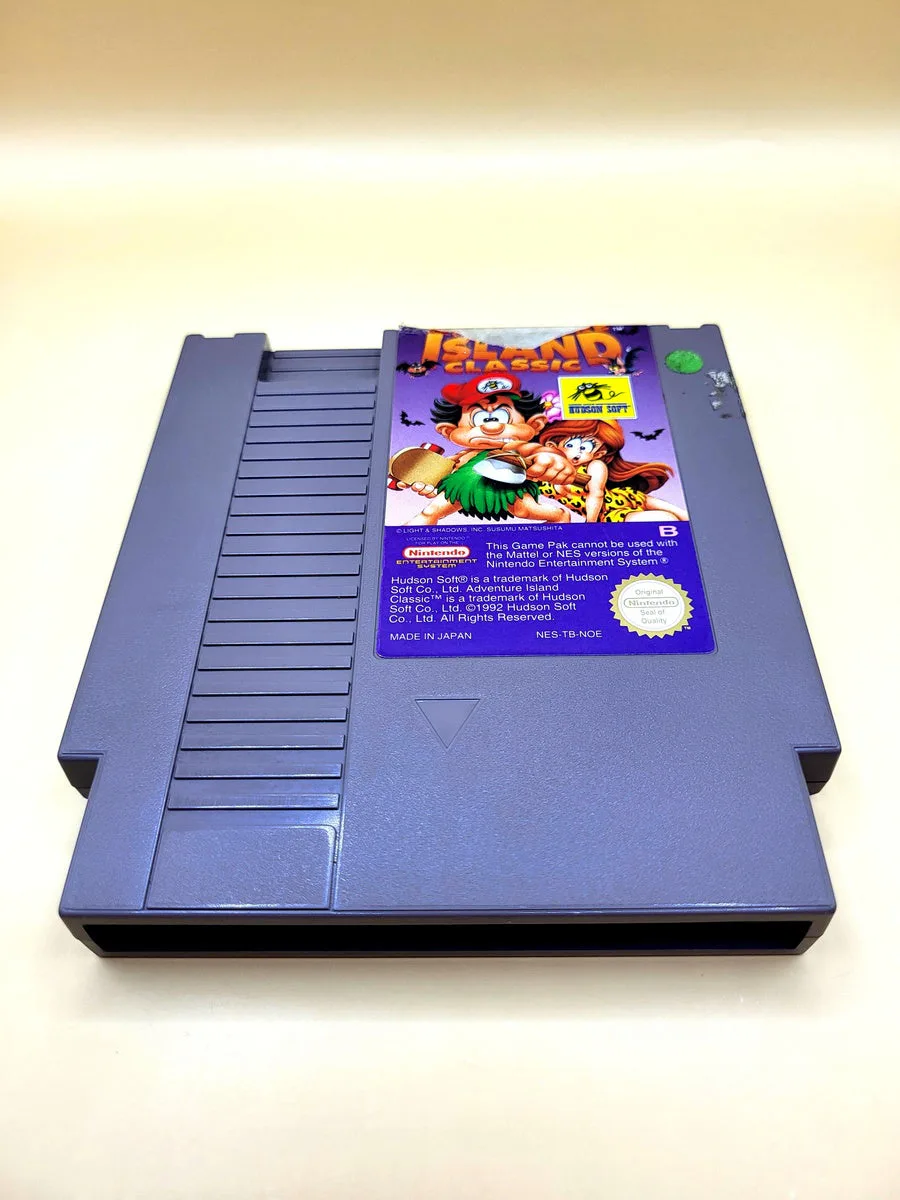
Adventure Island Classic also asks you to run forwards, cross gaps and spot enemies in time. Master Higgins collects fruit to replenish his constantly draining energy meter and can attack with axes. In Super Mario Bros., the clock adds pressure, but you do not need to maintain a food supply. Mushrooms change Mario's size and protect him from a hit; fruit and weapons play a different role in helping Higgins survive the route.