This product is like new. At NexWave Games, like new means:
Additionally, all discs at NexWave Games are carefully inspected and assessed for quality. When discs arrive, we do not accept any that are so badly damaged that they are unlikely to work. We only accept discs with light scratches at most. Discs with scratches are then treated in our professional disc repair machine. By warming the disc and polishing it with soft brushes, these machines can remove a very thin layer from the disc. This removes the layer containing surface scratches and improves the disc’s readability. This ensures the disc works properly, even on consoles with ageing lasers that have difficulty reading games! Great news for the player.
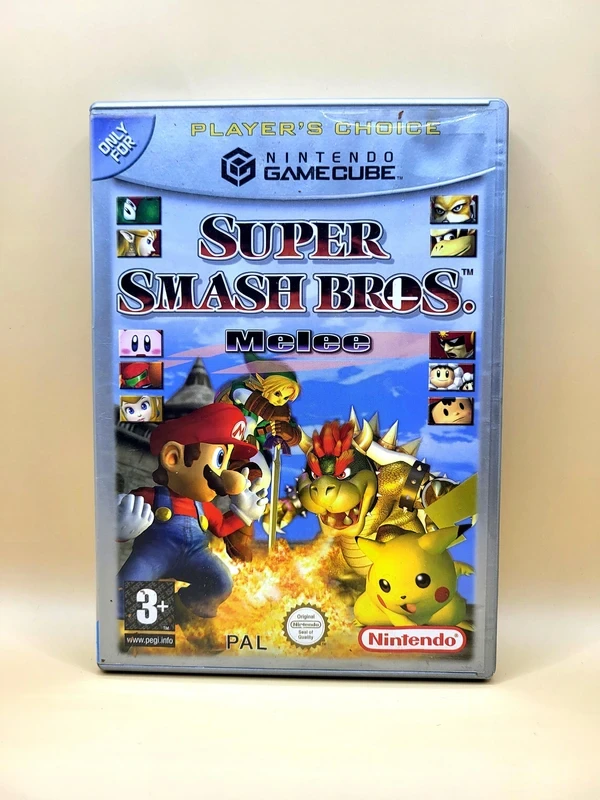
Super Smash Bros. Melee for Nintendo GameCube
Super Smash Bros. Melee for the Nintendo GameCube is a platform fighting game in which Nintendo characters try to knock each other out of the arena. For example, you choose Mario, Link or Pikachu and use normal attacks, special techniques and objects to create space. The more damage a fighter takes, the further a good blow can send him. Jumping back to the playing field is therefore an important part of every battle.
You can fight with up to four players at the same time. The arena, the available items and the way you set up the match influence the course. A busy battle with moving parts requires overview; in a duel you look more closely at distance, timing and your opponent's reaction. Jumping, parrying and dodging give you multiple ways to absorb an attack or find an opening.
You can also work alone. You play battle sequences, progress through Adventure, and attempt to complete individual challenges. Along the way, you'll unlock more content and collect trophies featuring characters and items from Nintendo games. That gives you something to investigate further between matches. The controls use relatively few basic commands, but combining movement, attacks and recovery after a fall requires practice and attention for every fighter.
Region and language
Our Nintendo GameCube games are PAL editions and come with a Dutch or English box, unless stated otherwise. By default, you receive the version for the European market. We note it in the product details if the region is different or the box is in another language. In almost all cases, the game is playable at least in English, and often in the other five common European languages too.
Manual
The manual is missing from this copy of Super Smash Bros. Melee for Nintendo GameCube. That is why the product title says “No Manual”. You receive the game in its box, without the instruction booklet. This makes the contents clear before you order.
The original printed manual usually contains at least English and often around six European languages. The languages vary by edition; Dutch is not always included. This information describes the original booklet and does not mean that it comes with this copy. A copy with a manual is offered separately when available.
The history of Super Smash Bros. Melee
Super Smash Bros. Melee was developed by HAL Laboratory and published by Nintendo. It was released in Japan in 2001 for the Nintendo GameCube as a sequel to Super Smash Bros. for the Nintendo 64. Masahiro Sakurai again led the design. The central idea remained intact: well-known characters meet each other on platforms and try to get opponents off the playing field.
In an interview with Nintendo Dream, Sakurai explained that Melee also had to showcase the new console. He wanted to make a game that gave people fun while showing what the hardware could do. The more extensive presentation, new arenas and additional defensive movements were in line with this. At the introduction, Nintendo pointed out, among other things, the possibility of dodging in the air.
The trophies also turned the game into a collection of small references to Nintendo's history. Sakurai compiled a list himself and checked data against games and guides in the development room. This gave collecting a clear place next to fighting. During unlocking you will encounter all kinds of figures and objects that fall outside the group of playable fighters, so Melee also brings older and lesser-known games into the picture.
Similar games for Nintendo GameCube
Soul Calibur II features weapon combat in three-dimensional arenas and also features Link as a playable character on GameCube. You focus on an opponent, distance and series of attacks. Melee combines similar attention to timing with jumping, platforming positions, and returning after being knocked out of the arena.
Naruto: Clash of Ninja European Version also lets multiple players fight simultaneously with a group of recognizable characters. The techniques come from the anime and the fights take place in three-dimensional play spaces. Melee uses a side view and makes the platforms, edges, and dogfights a bigger part of your decisions.
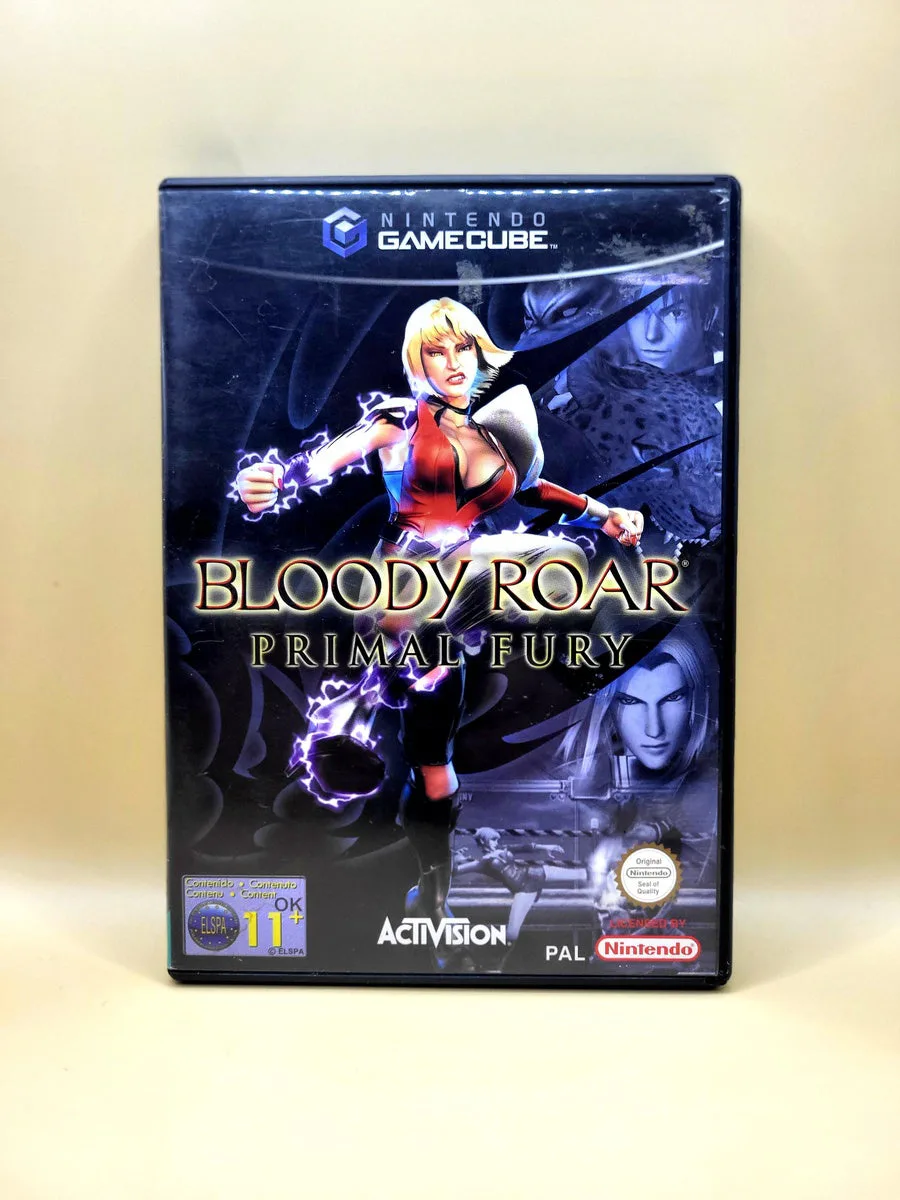
Bloody Roar: Primal Fury revolves around duels in which your fighter can turn into an animal during the fight. You learn combinations and use the attacks of both forms. Melee shares the importance of timing and character knowledge, adding platform positions, dogfights and returning after a battle outside the arena.
Dragon Ball Z: Budokai 2 uses recognizable anime characters and cartoon-like images for battles between two opponents. Mastering attacks and combinations is central. In Melee you also learn what each fighter can do, while constantly taking into account different platforms, possible attacks from above and the distance to the edge.
Mortal Kombat: Deadly Alliance lets you switch between fighting styles in duels, including armed techniques. You practice combinations and look for an opening in your opponent's defense. Melee links this attention to timing to a playing field with platforms: your position and the ability to return after a blow determine your chances.