This product is like new. At NexWave Games, like new means:
Additionally, all discs at NexWave Games are carefully inspected and assessed for quality. When discs arrive, we do not accept any that are so badly damaged that they are unlikely to work. We only accept discs with light scratches at most. Discs with scratches are then treated in our professional disc repair machine. By warming the disc and polishing it with soft brushes, these machines can remove a very thin layer from the disc. This removes the layer containing surface scratches and improves the disc’s readability. This ensures the disc works properly, even on consoles with ageing lasers that have difficulty reading games! Great news for the player.
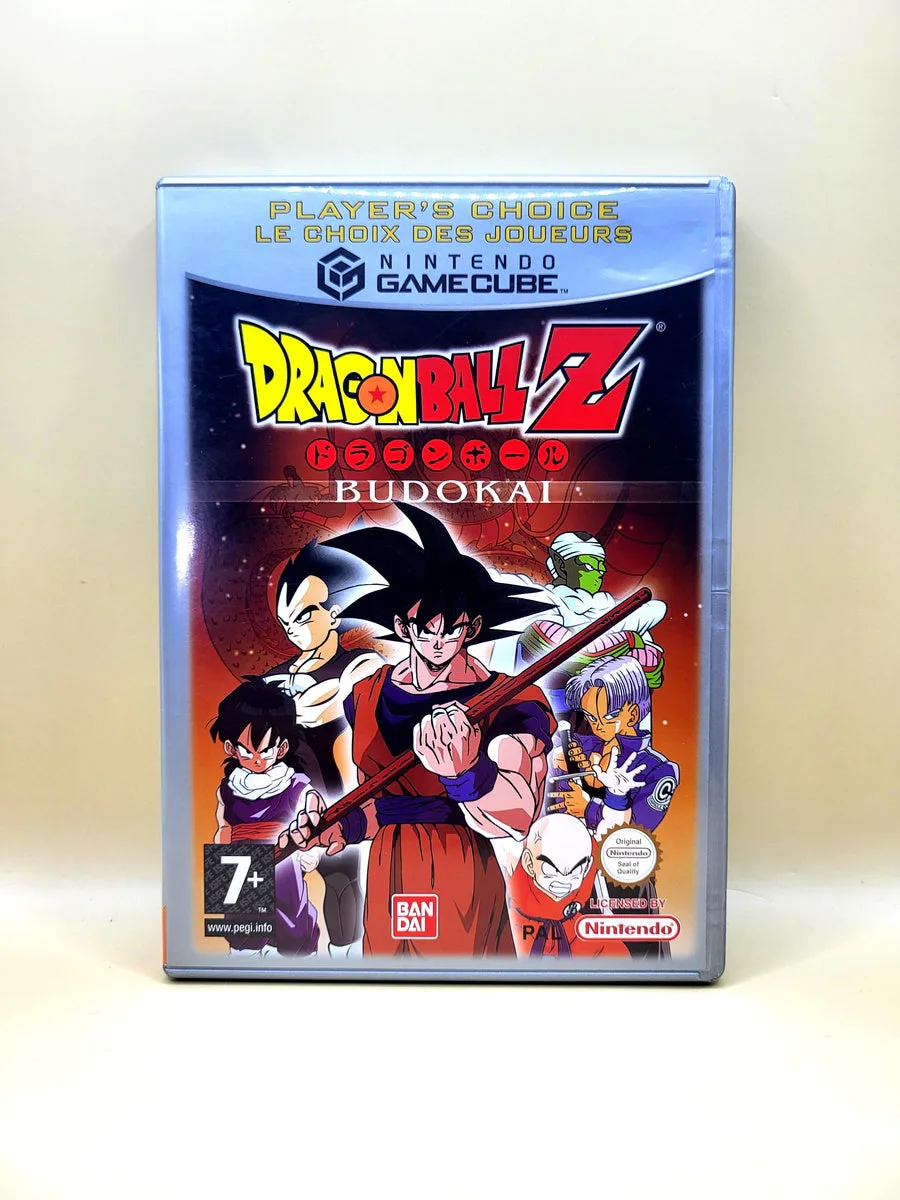
Dragon Ball Z: Budokai for Nintendo GameCube
Dragon Ball Z: Budokai for the Nintendo GameCube turns familiar confrontations from the animated series into duels between two fighters. You use punches, kicks, defense and ki attacks to pressure an opponent. The story route begins in the Saiyan period and continues through the Cell Games, with cutscenes connecting the battles.
The basic controls are compact, but button combinations and timing determine which attack you perform. You can build short sequences, seek an opening after blocking and use energy for recognizable techniques. Ki also plays a role in transformations. You therefore need to watch more than your distance from the opponent. A major attack requires preparation and can quickly take a duel in another direction.
You can choose from 23 characters once you have unlocked the roster. You collect skills and other options to customize fighters. Alongside the story, there are tournaments, training and local duels with a second player, among other modes. The emphasis is on self-contained battles and the recognizable moves of Goku and his rivals. The GameCube version uses a more strongly drawn look, keeping characters and energy attacks visually close to the anime during combat.
Region and language
Our Nintendo GameCube games are PAL editions and come with a Dutch or English box, unless stated otherwise. By default, you receive the version for the European market. We note it in the product details if the region is different or the box is in another language. In almost all cases, the game is playable at least in English, and often in the other five common European languages too.
Manual
Dragon Ball Z: Budokai for Nintendo GameCube includes the manual unless the product title states otherwise. If the booklet is missing, the title says “No Manual”. This lets you see before ordering whether the game comes with a manual.
The manuals included with our games usually contain at least English and often around six European languages. The exact languages vary by edition, so Dutch is not always included. The booklet explains the controls and the main rules. You can use it to check how to control the game, which actions are available and how its different features work.
The history of Dragon Ball Z: Budokai
Atari brought Dragon Ball Z: Budokai to the Nintendo GameCube in 2003. The game originally appeared on PlayStation 2 in late 2002, translating the series into a straightforward fighting game. Its story used important confrontations from the Saiyan saga through the Cell Games. This gave the battles a fixed sequence following the development of Goku and his opponents.
The GameCube adaptation retained the foundations of that first release but adjusted the visual style. More pronounced shadows and cel-shading gave the three-dimensional models a more strongly drawn appearance. That presentation mattered for a game aiming to recreate recognizable techniques, voices and poses from the anime. The change therefore lay chiefly in how the existing battles were displayed on the new console.
Budokai combined a simple set of basic buttons with unlocking fighters and abilities. The story, tournaments and duels provided different reasons to keep using the same characters. The series subsequently developed further with Budokai 2, which also appeared on GameCube and arranged its campaign differently. This first installment instead preserves the straightforward story approach through which Budokai established its place among the Dragon Ball games of the period.
Similar games for Nintendo GameCube
Budokai 2 on the GameCube builds on the punches, kicks and energy attacks of the first installment. It uses a board-like Dragon World campaign and adds other characters and options. The first Budokai tells its story more directly through successive battles and cutscenes. You therefore follow familiar confrontations along a clearer fixed path.
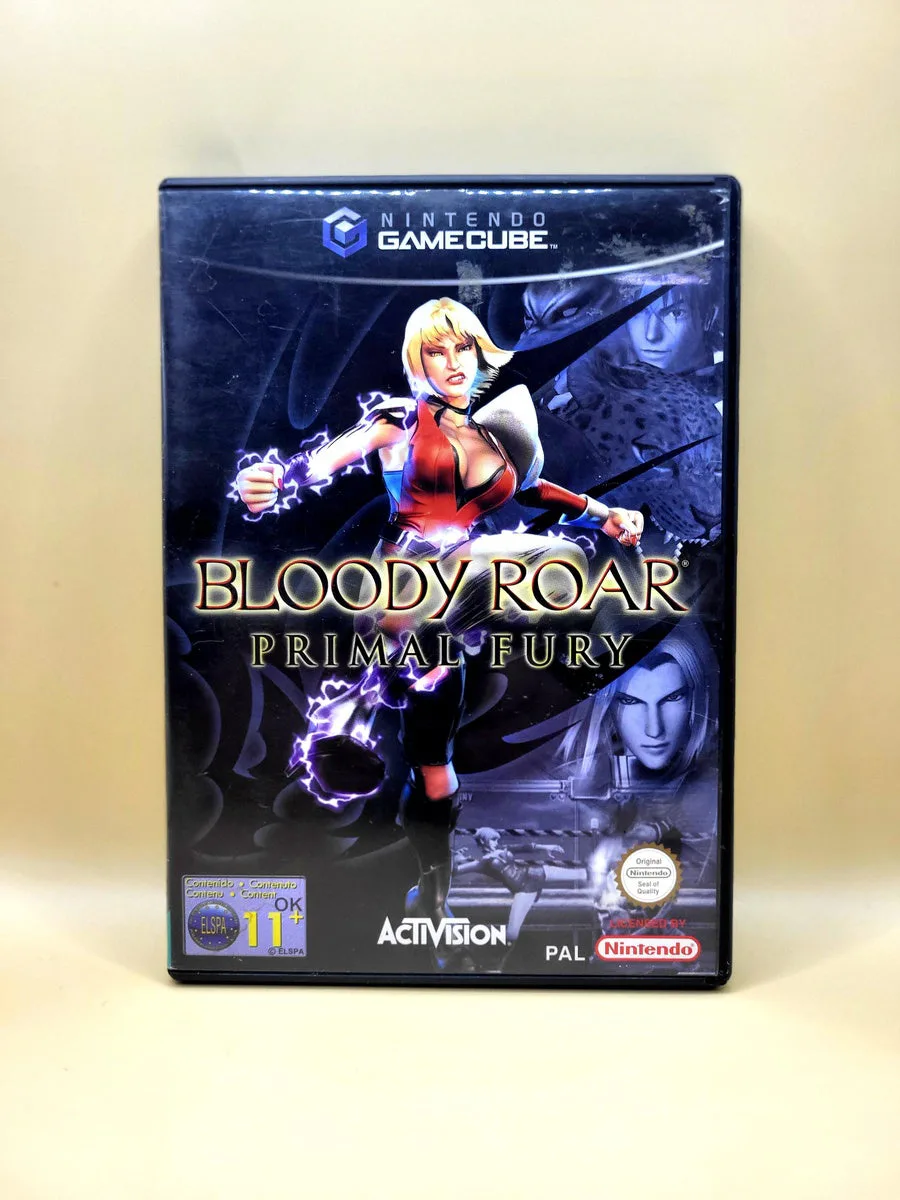
Bloody Roar: Primal Fury also uses three-dimensional arenas and duels in which your character temporarily takes another form. There, you transform into a beast, with attacks that change the confrontation's tempo. Budokai connects its transformations and ki techniques with Dragon Ball. Both ask you to recognize an opening before using a stronger attack.
Naruto: Clash of Ninja European Version shares the drawn appearance and familiar techniques from an animated series. It also allows fights with more than two participants. Budokai keeps its matches one-on-one and uses ki and transformations to shape its Dragon Ball battles. Both link unlocking content with repeated play.
Soul Calibur II for the GameCube revolves around weapons, reach and moving around your opponent. Link is an exclusive participant here. Budokai mainly uses unarmed attacks and energy techniques. Both give you training and local duels, but Soul Calibur puts greater weight on the distance between fighters and each fighter's different weapon types.
Super Smash Bros. Melee has Nintendo characters knock each other out of platform arenas, with room for several players at once. Budokai uses a more traditional health bar and duels between two fighters. The similarity lies in familiar characters and character-specific techniques; Melee makes the environment and returning to a platform a much larger part of combat.