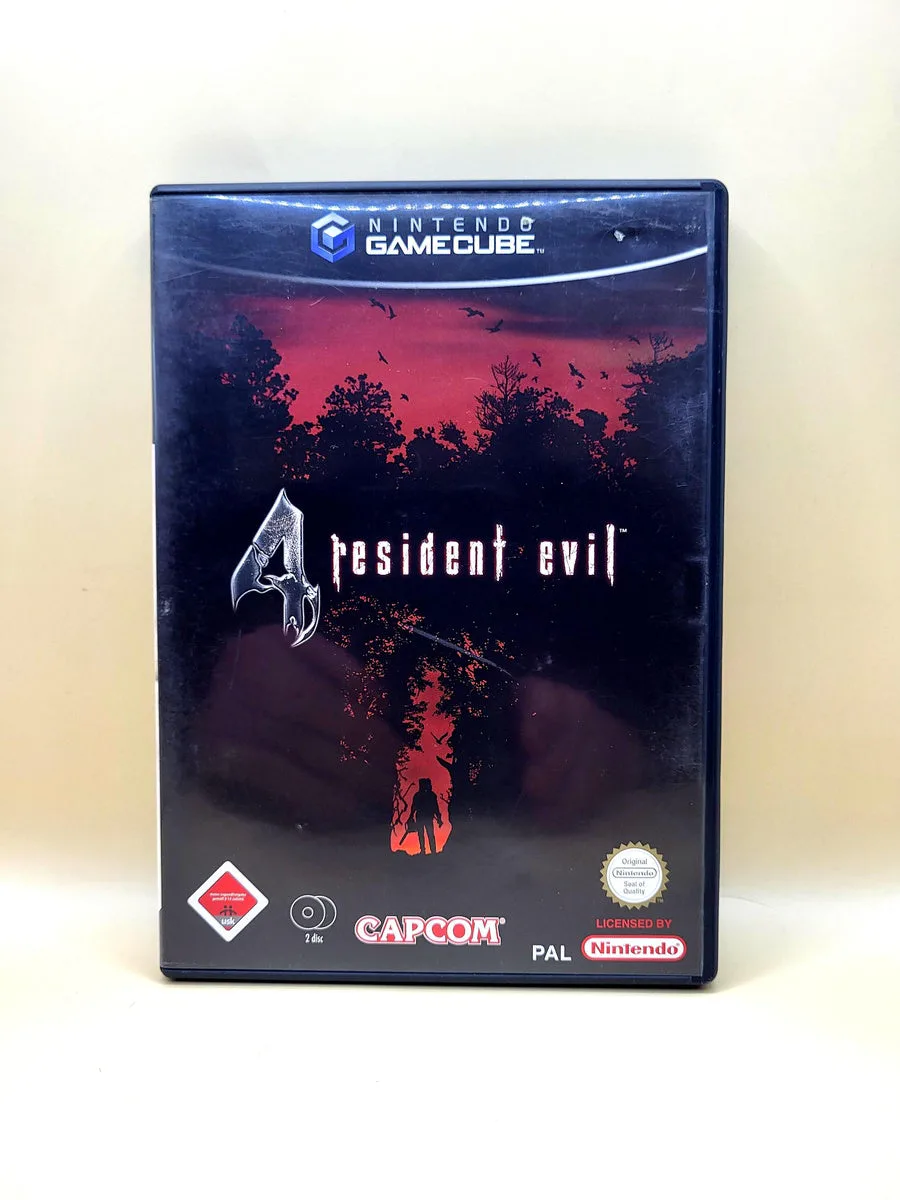
This product is like new. At NexWave Games, like new means:
Additionally, all discs at NexWave Games are carefully inspected and assessed for quality. When discs arrive, we do not accept any that are so badly damaged that they are unlikely to work. We only accept discs with light scratches at most. Discs with scratches are then treated in our professional disc repair machine. By warming the disc and polishing it with soft brushes, these machines can remove a very thin layer from the disc. This removes the layer containing surface scratches and improves the disc’s readability. This ensures the disc works properly, even on consoles with ageing lasers that have difficulty reading games! Great news for the player.
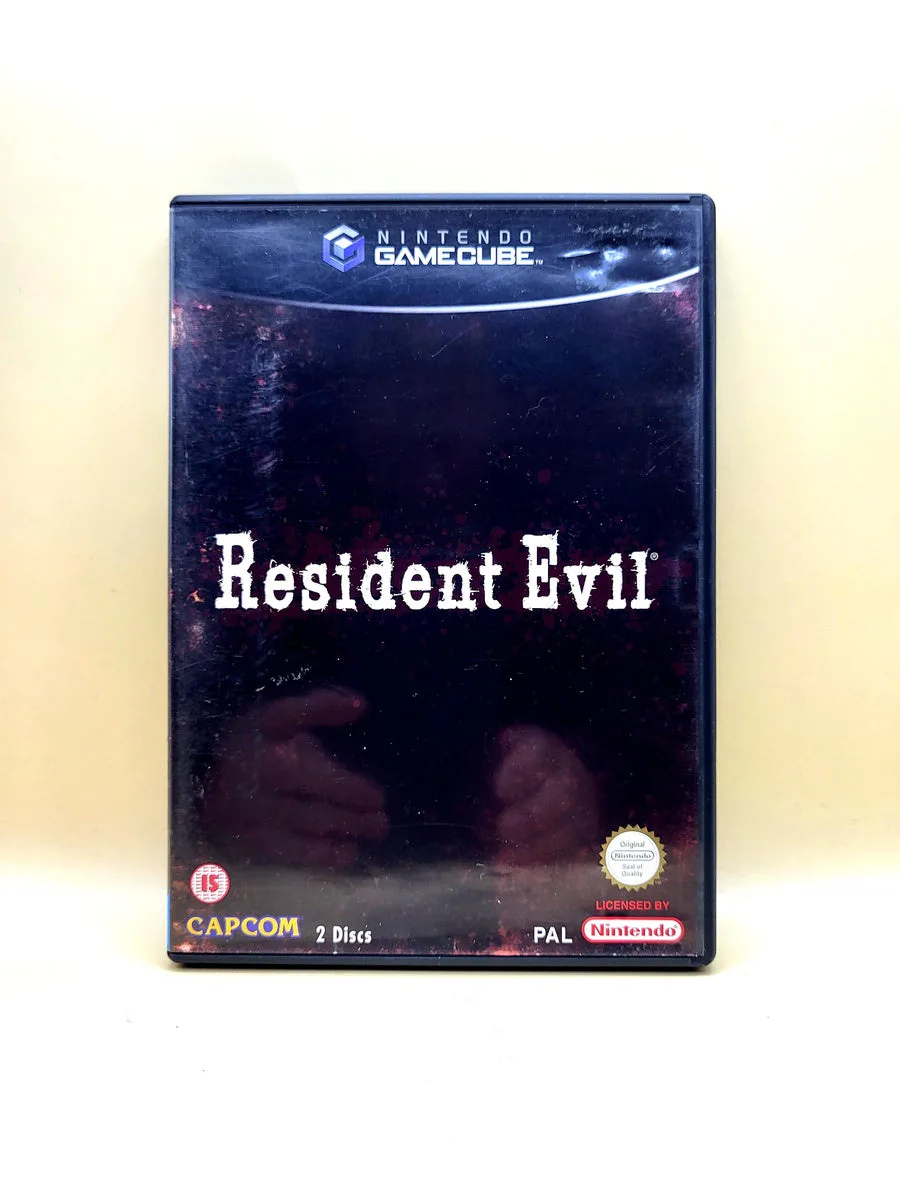
Resident Evil for Nintendo GameCube
Resident Evil for Nintendo GameCube is the 2002 remake of Capcom's 1996 survival horror. You follow Jill Valentine or Chris Redfield during an investigation that takes them to a remote mansion. Behind closed doors, documents, strange mechanisms and infected residents wait. You explore rooms from fixed camera angles and slowly learn how corridors, keys and closed wings are connected.
You only carry a limited amount of items. An extra box of cartridges therefore takes up space that you can also use for a key or medicine. Supply chests help you manage your stuff, while storing uses up ink ribbons. Battles require choices: shoot, dodge or come back later. Some defeated zombies can return in a more dangerous manner, meaning that a previously visited corridor also deserves new attention.
Controls revolve around the direction your character is facing. This initially requires practice, especially when the camera image changes. Detailed backgrounds, shadows and small movements give every room its own atmosphere. Jill and Chris differ in equipment and capabilities, so a second play session results in different considerations. You play this adventure alone and at a thoughtful pace. Anyone who enjoys memorizing routes, combining directions and getting further with a small supply will find a lot to get their teeth into here.
Region and language
Our Nintendo GameCube games are PAL editions and come with a Dutch or English box, unless stated otherwise. By default, you receive the version for the European market. We note it in the product details if the region is different or the box is in another language. In almost all cases, the game is playable at least in English, and often in the other five common European languages too.
Manual
Resident Evil for Nintendo GameCube includes the manual unless the product title states otherwise. If the booklet is missing, the title says “No Manual”. This lets you see before ordering whether the game comes with a manual.
The manuals included with our games usually contain at least English and often around six European languages. The exact languages vary by edition, so Dutch is not always included. The booklet explains the controls and the main rules. You can use it to check how to control the game, which actions are available and how its different features work.
The history of Resident Evil
The first Resident Evil appeared on PlayStation in 1996. Six years later, Capcom remade Nintendo GameCube under the direction of Shinji Mikami, who also directed the original. The basics remained recognizable: a research team, a large mansion and the excitement of a door leading to unknown territory. The remake appeared in Europe in September 2002, early in the console's lifespan.
Capcom rebuilt the original adventure in several respects. Rooms and objects changed locations, puzzles were adjusted and new areas expanded the exploration. As a result, knowledge of the old game could help you without having to record every situation. The Crimson Heads added an extra layer to dealing with enemies. From now on, a won battle did not automatically mean that the route remained quiet.
The presentation connected pre-rendered environments with three-dimensional characters, lighting and subtle animations. For example, the remake used new hardware to shape the same kind of constriction more precisely. Within the GameCube series, this release sits next to the later released Resident Evil Zero and the change in direction of Resident Evil 4. For the history of the series, this version shows how much Capcom was able to revise the original format while maintaining the rhythm of exploration, inventory management and recurring routes.
Similar games for Nintendo GameCube
Resident Evil Zero also uses fixed camera angles, limited carrying space and carefully constructed horror sets. There you switch between Rebecca and Billy and divide objects between two characters. In Resident Evil you choose one main character for the campaign and organize your inventory via chests. Zero therefore places more emphasis on collaboration and mutual division of tasks.
Resident Evil 4 shares the unrest, collecting ammunition and encounters with dangerous opponents. The camera follows Leon from behind his shoulder and fights take up more space. Resident Evil makes you think longer about a closed door, an object and the route back. Your choice mainly depends on the desired pace.
Eternal Darkness also lets you explore buildings, read clues and fight supernatural threats. It switches characters and eras and makes mental disorder part of the game. Resident Evil focuses its tension more strongly around one coherent environment, tangible supplies and the question of how much risk you can bear along the way.
Geist also offers an ominous research complex and a story full of experiments. You look through the eyes of a spirit that takes over bodies and objects. These changes form the puzzles and shooting battles. In Resident Evil, your body and limited equipment remain the starting point, while doors and camera angles determine how you approach a space.
Metroid Prime, like Resident Evil, rewards your memory for closed routes and recognizable rooms. New abilities there open up parts of a connected alien world, viewed through Samus' crosshairs. Resident Evil has keys and puzzle objects that determine progress. In both cases you explore attentively, with a different ratio between movement, combat and inventory management.