
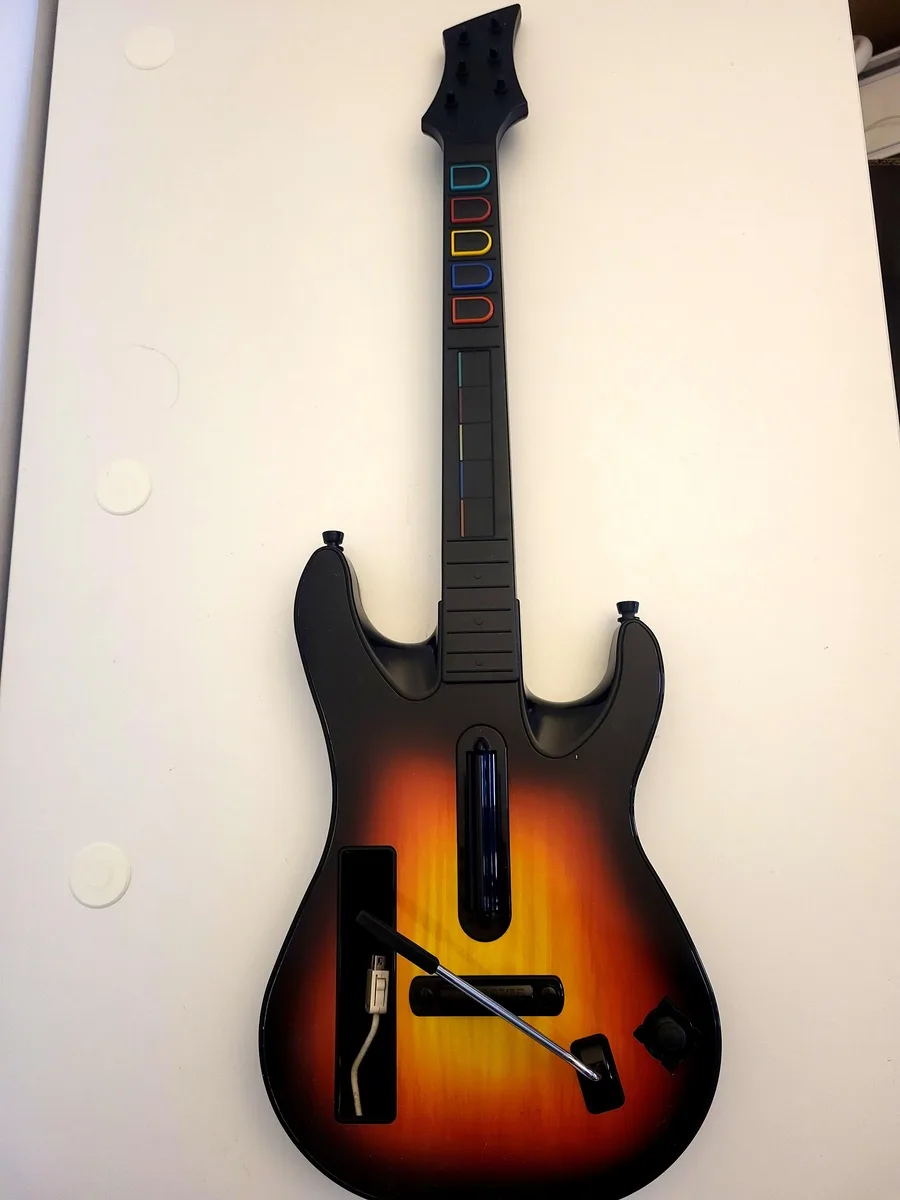
Guitar Hero Gitaar Sunburst - Nintendo Wii
€ 58,98
€ 3,98
In stock
De staat van dit product is: zo goed als nieuw.
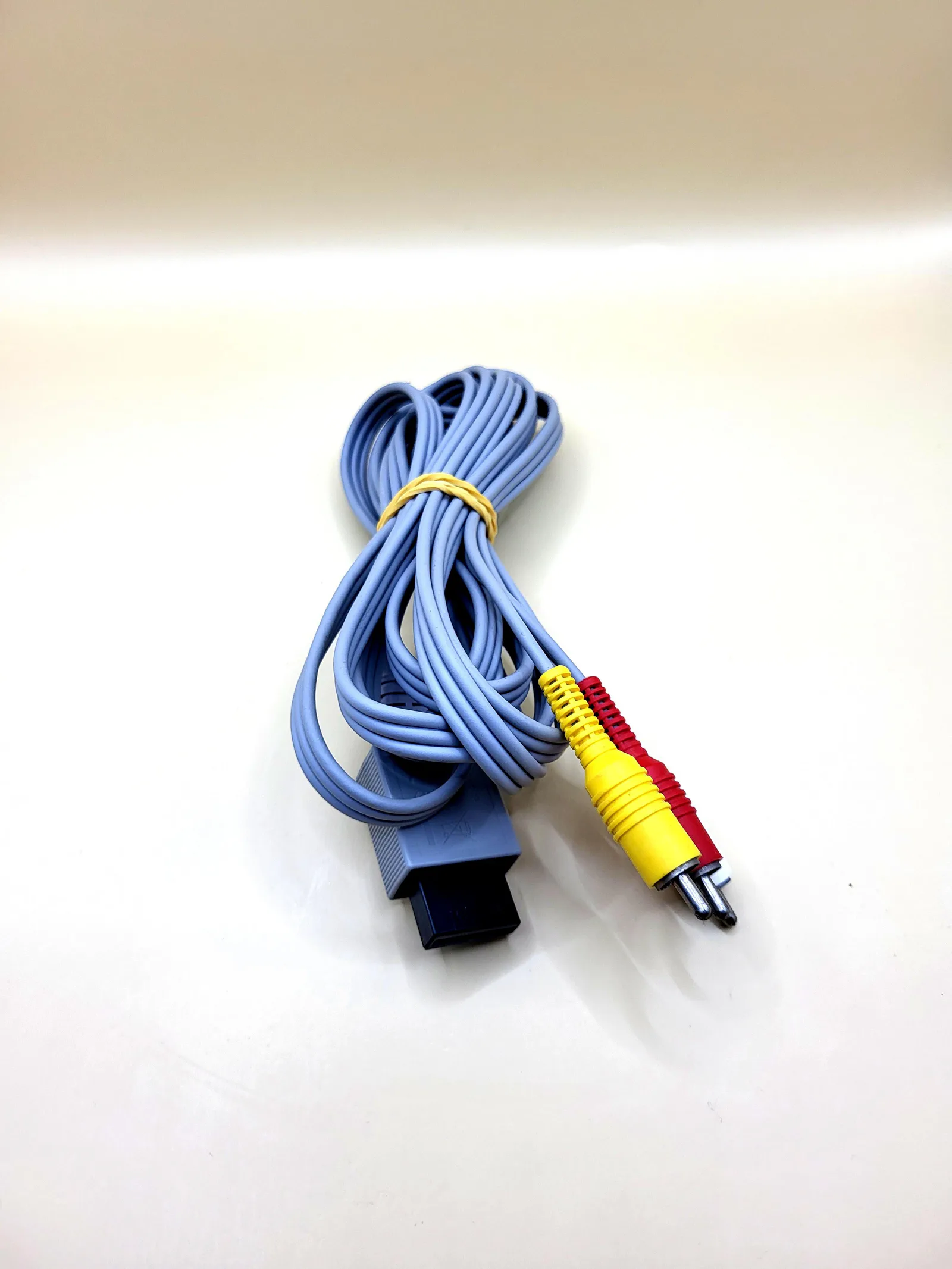
The Nintendo Wii AV cable carries picture and stereo sound from the console to a television with analogue inputs. The wide plug connects to AV MULTI OUT on the back of the Wii. Yellow carries composite video; white and red are the two audio channels. Select the corresponding AV input on the television. A SCART socket needs a matching adapter. This composite connection does not carry 480p or turn the Wii picture into an HD signal.
This is a signal cable, not a power supply, controller or Sensor Bar. The other parts of the gaming setup are still needed. Connect the plugs to inputs, not similarly coloured outputs. Check the labels on the television too: three RCA sockets do not automatically form the right combination. A modern television without these analogue inputs needs a separate compatible converter. A simple plug adapter cannot convert every type of signal.
The cable changes no rules, aspect ratio or built-in game content. The five Wii games below are examples whose picture and sound can be displayed through a compatible connection. Required controllers still vary by title. No fixed cable length or unconfirmed manufacturer is promised. Check the photos for the offered plugs and version. Console, games, television and additional converters are included only when expressly stated in the listing.
The Wii launched in 2006, when analogue television connections were still common. Nintendo used a proprietary AV MULTI OUT port so different cables could connect to the same console. At the television end, the selected cable determined the signal type. The ordinary composite connection combined picture information in one yellow connector and kept both audio channels separate. That matched televisions with RCA inputs or a compatible SCART adapter.
Component video divided the picture information differently across three connectors. A compatible Wii setup could therefore also use progressive 480p output. Not every game supported it, and the television had to process the signal too. A different cable did not replace the capabilities of console, game and screen. Composite and component differed in signal transmission, not in the version of the game being played.
The original Wii had no built-in HDMI output. These cables therefore remained relevant when connecting the console to an existing screen. Meanwhile, analogue inputs gradually disappeared from many newer televisions, making connection choices important again. The Wii family also has differences: Wii mini supports only the ordinary AV cable, not component. That explains why plug shape alone is not enough to assess every console and television combination.
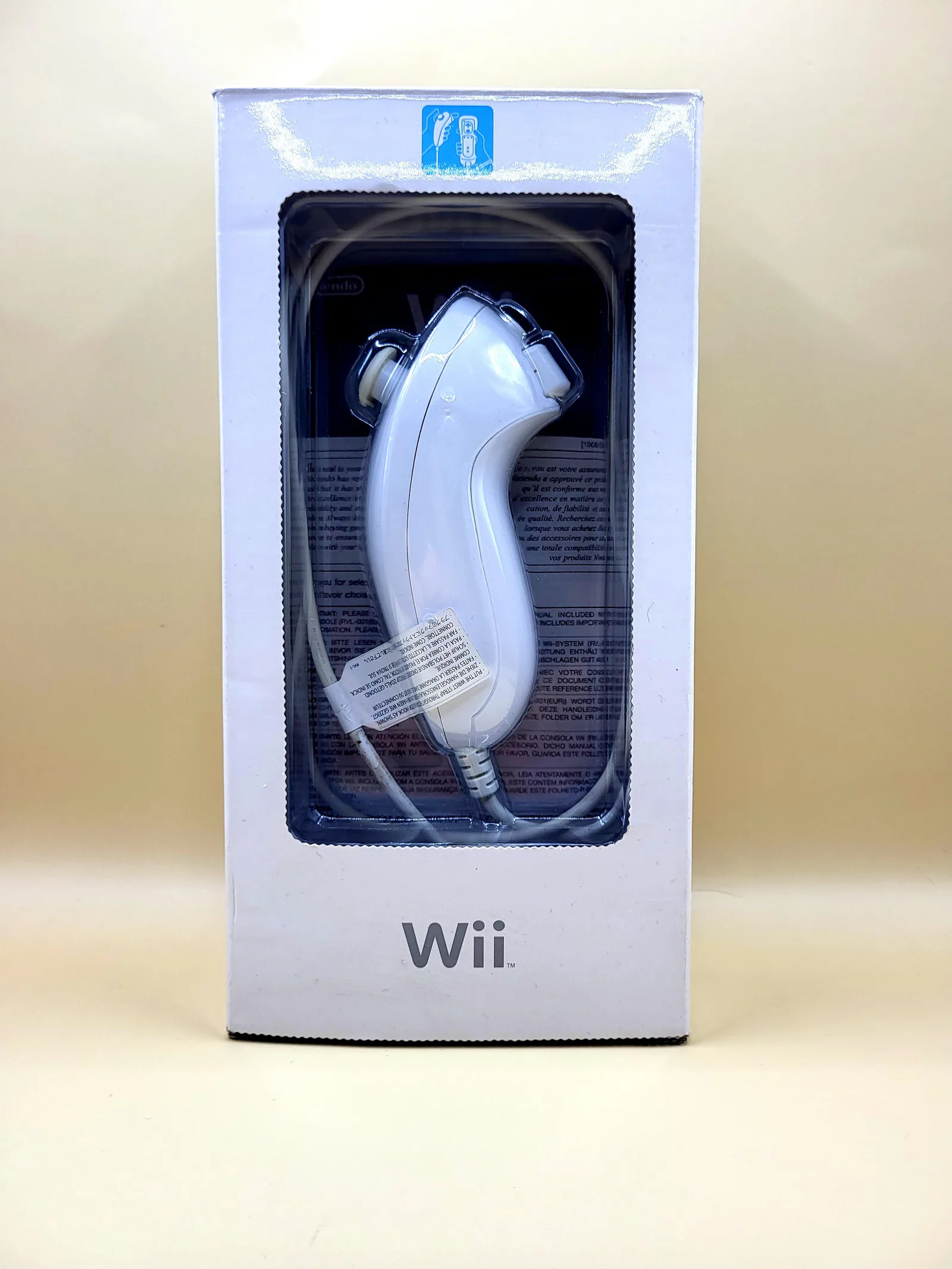
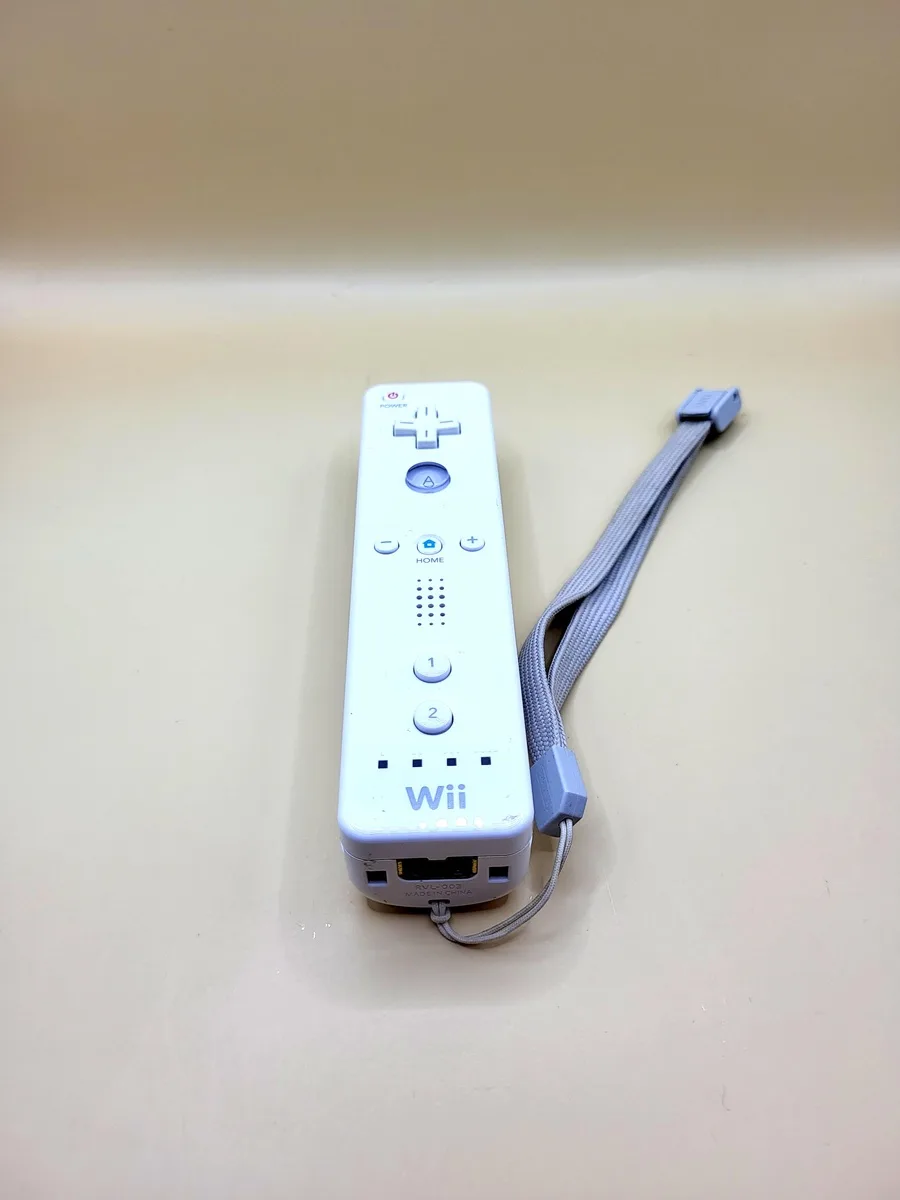
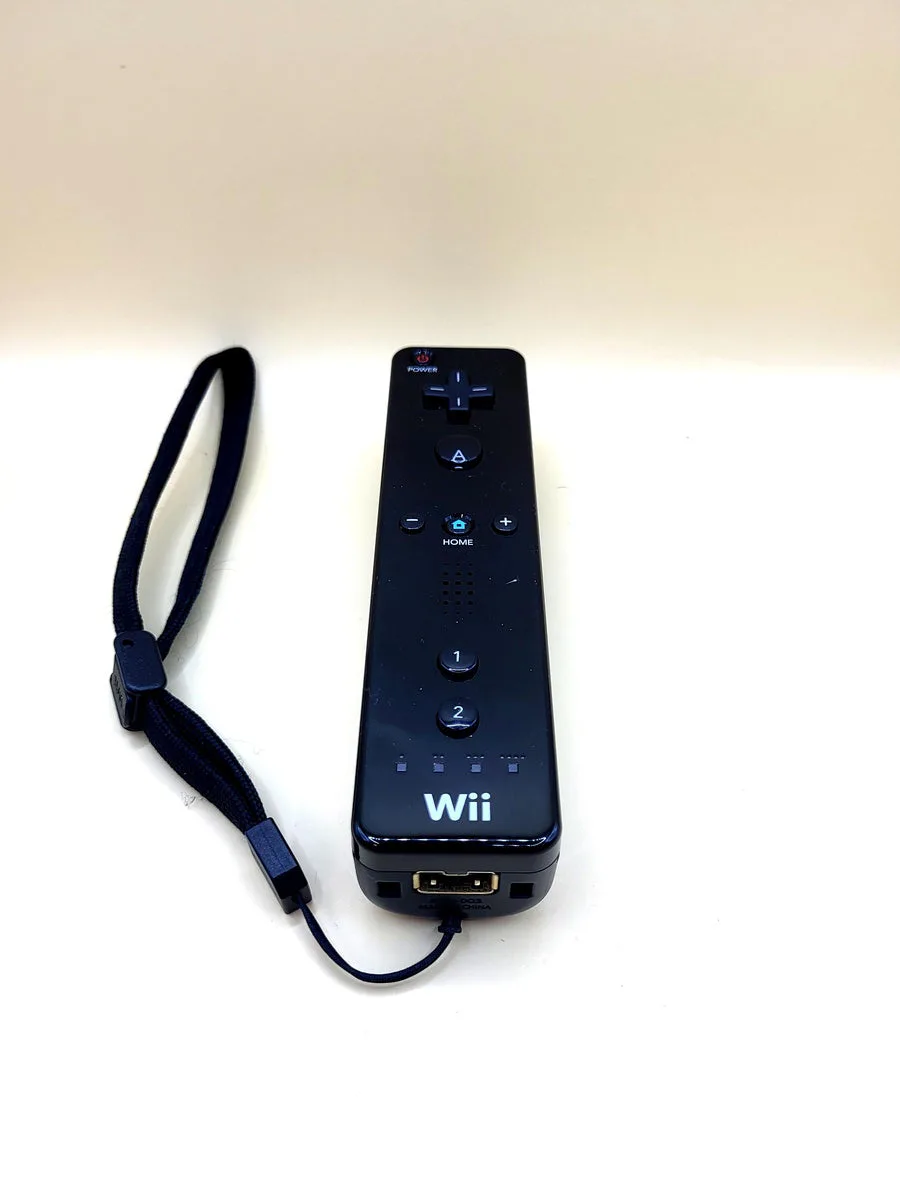
Super Mario Galaxy has Mario walking across small planets, jumping around spherical worlds and collecting Power Stars. Move Mario with the Nunchuk stick while the Wii Remote provides the pointer and a shaking gesture for the spin attack. The original Wii version requires both controllers, but not MotionPlus. A second player can assist with an additional Remote's pointer rather than controlling a second fully mobile character.
The Legend of Zelda: Twilight Princess follows Link through Hyrule, including exploration as a wolf alongside Midna. Dungeon puzzles, horse riding and combat shape the adventure. The Wii release uses Remote and Nunchuk for movement, aiming and sword-and-shield actions. MotionPlus is not required. Its controls differ from the GameCube release; this example concerns the original Wii version, not Twilight Princess HD.
Xenoblade Chronicles is a role-playing game in which Shulk investigates the secrets of the Monado sword. Explore large areas, complete quests and select attacks and abilities for your party during battles. Two sticks let you control movement and camera separately, while buttons access combat choices. This is the original Wii adventure, without the later additions of Definitive Edition on Nintendo Switch.
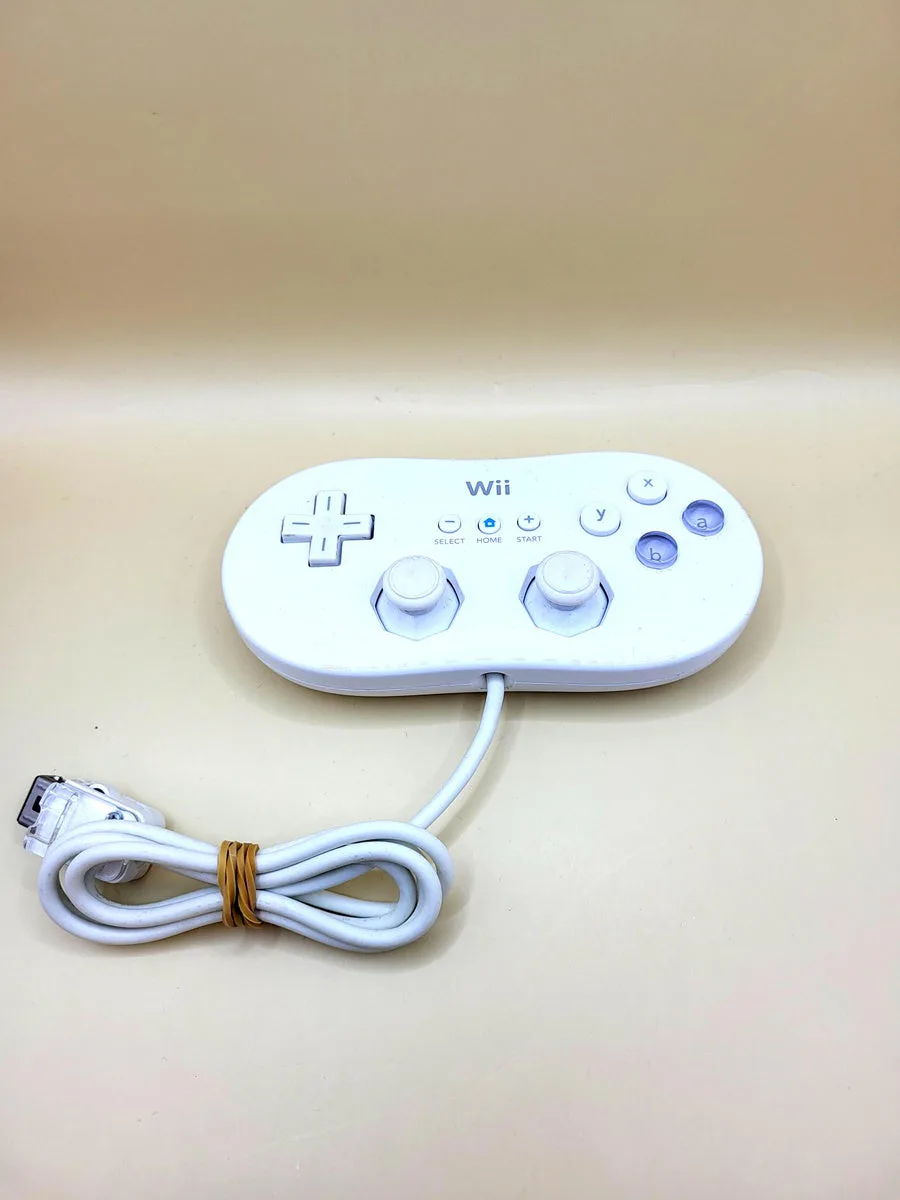
Monster Hunter Tri centres on preparation and learning to read large monsters. Gather materials, choose a weapon and craft equipment for tougher quests. Both Classic Controller and Pro are supported; the stick and shoulder-button layout helps you move, adjust the camera and select attacks. The offline campaign with companion Cha-Cha is the focus here. The original online hunting service has ended.
Tatsunoko vs. Capcom: Ultimate All-Stars combines Capcom characters with Tatsunoko animation heroes in team battles. Choose two fighters, switch during a match and chain attacks together. The Wii release supports both Classic Controller and Pro, providing traditional directional and attack-button controls. Play against the computer or a local opponent. A second player needs a separate controller and connection.
€ 58,98
€ 34,97
€ 29,94
€ 24,97
€ 24,94
€ 22,99
€ 22,99
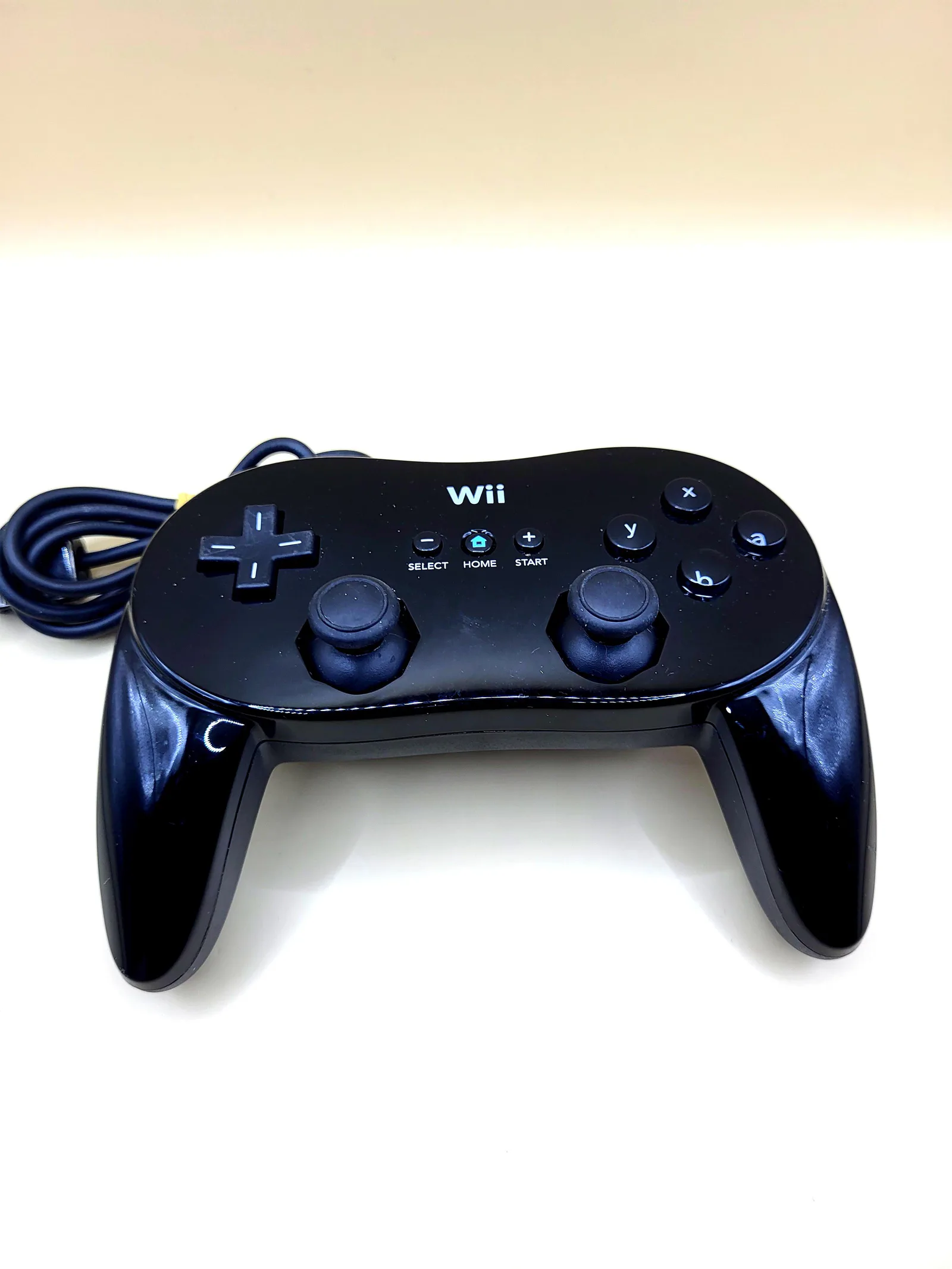
€ 22,94
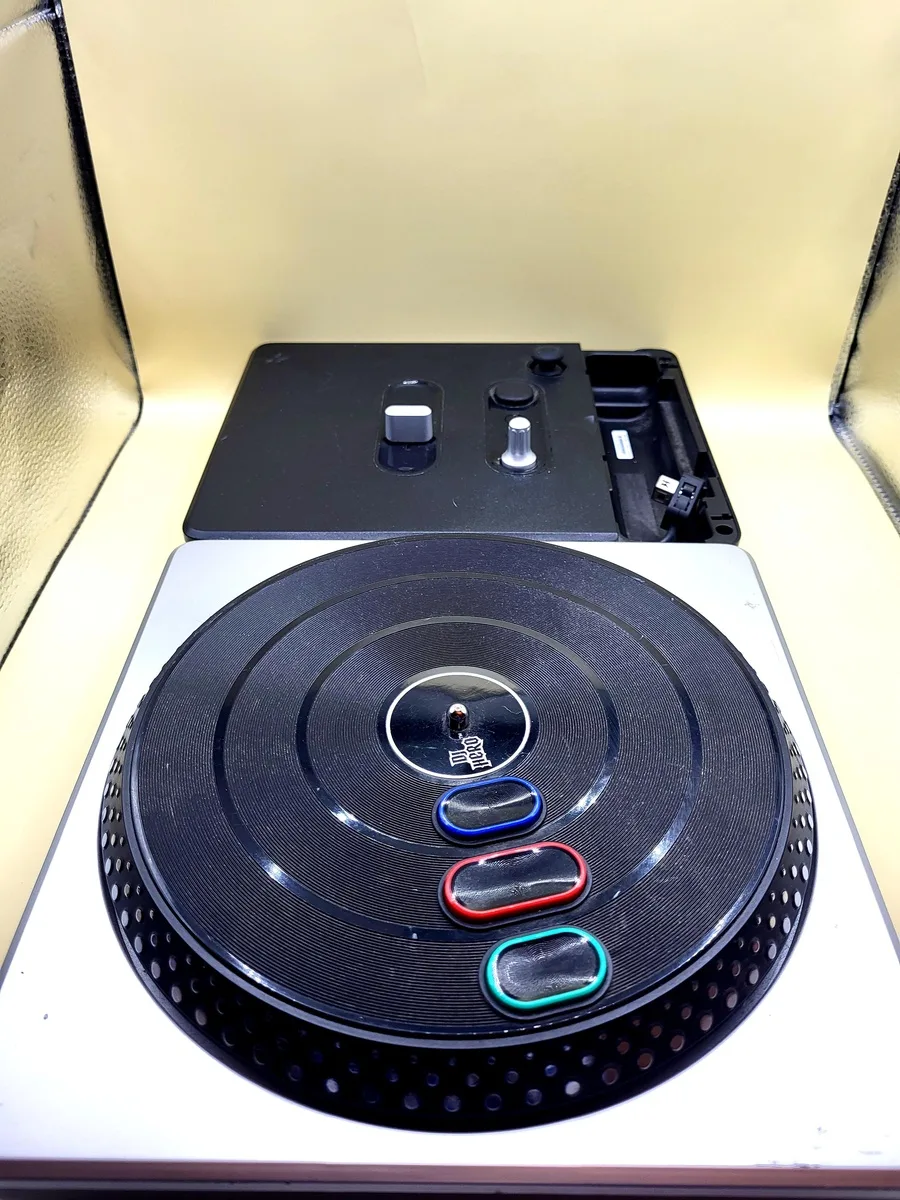
€ 19,99
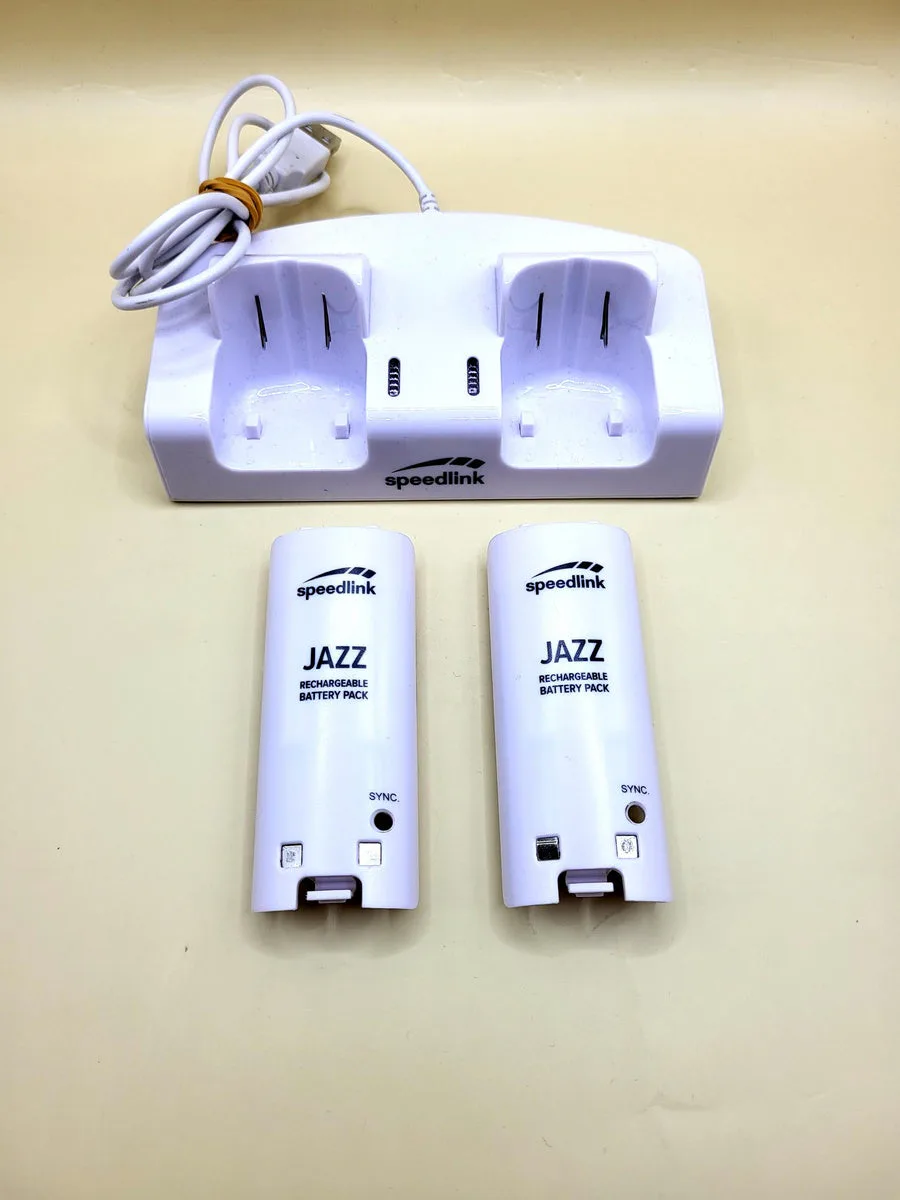
€ 19,99