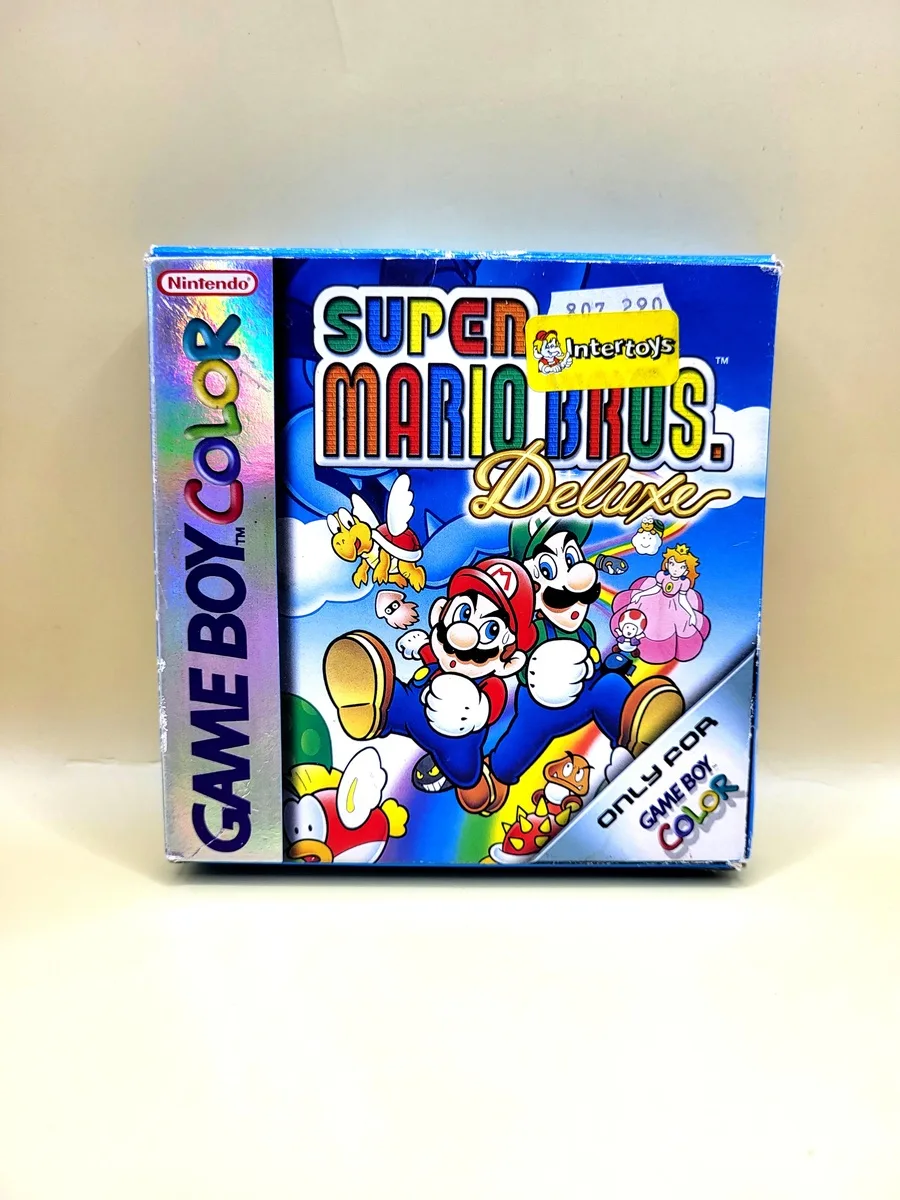
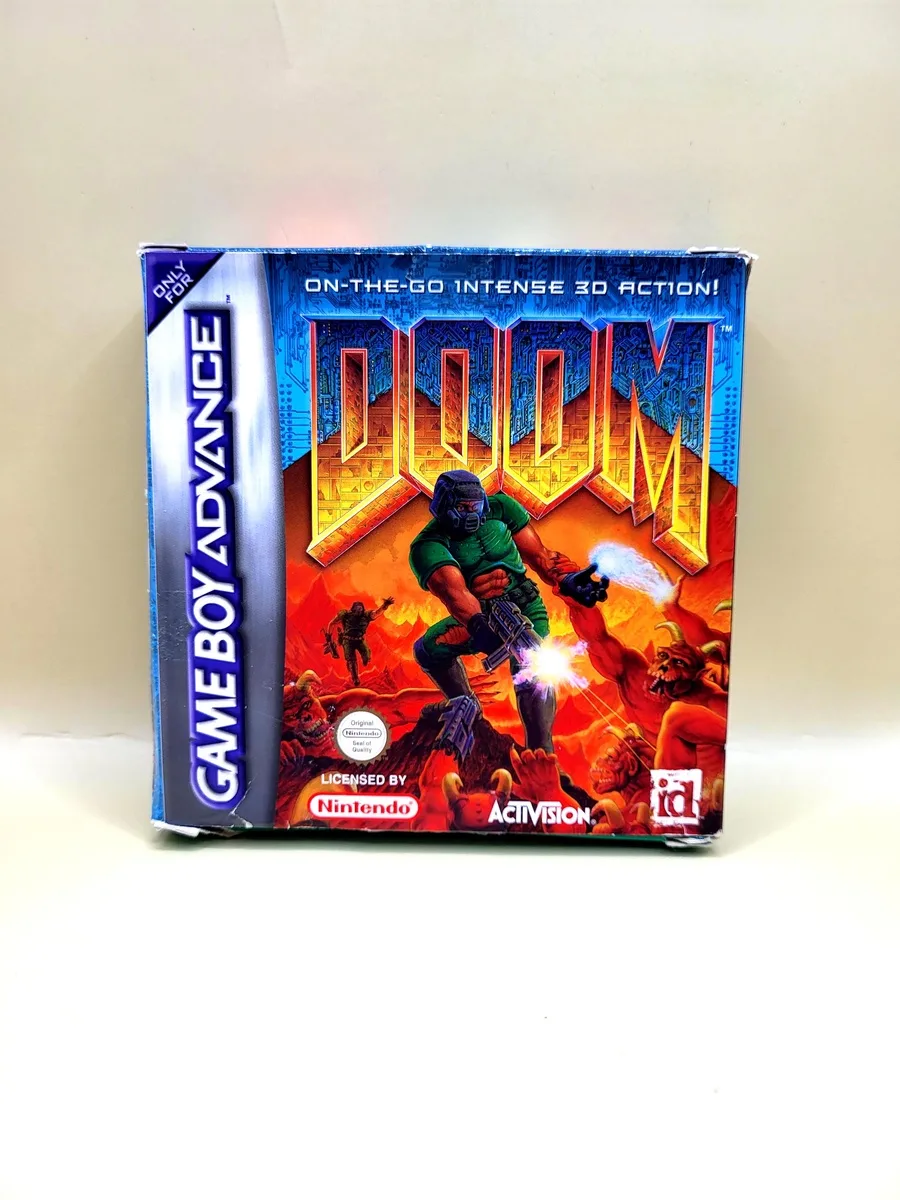
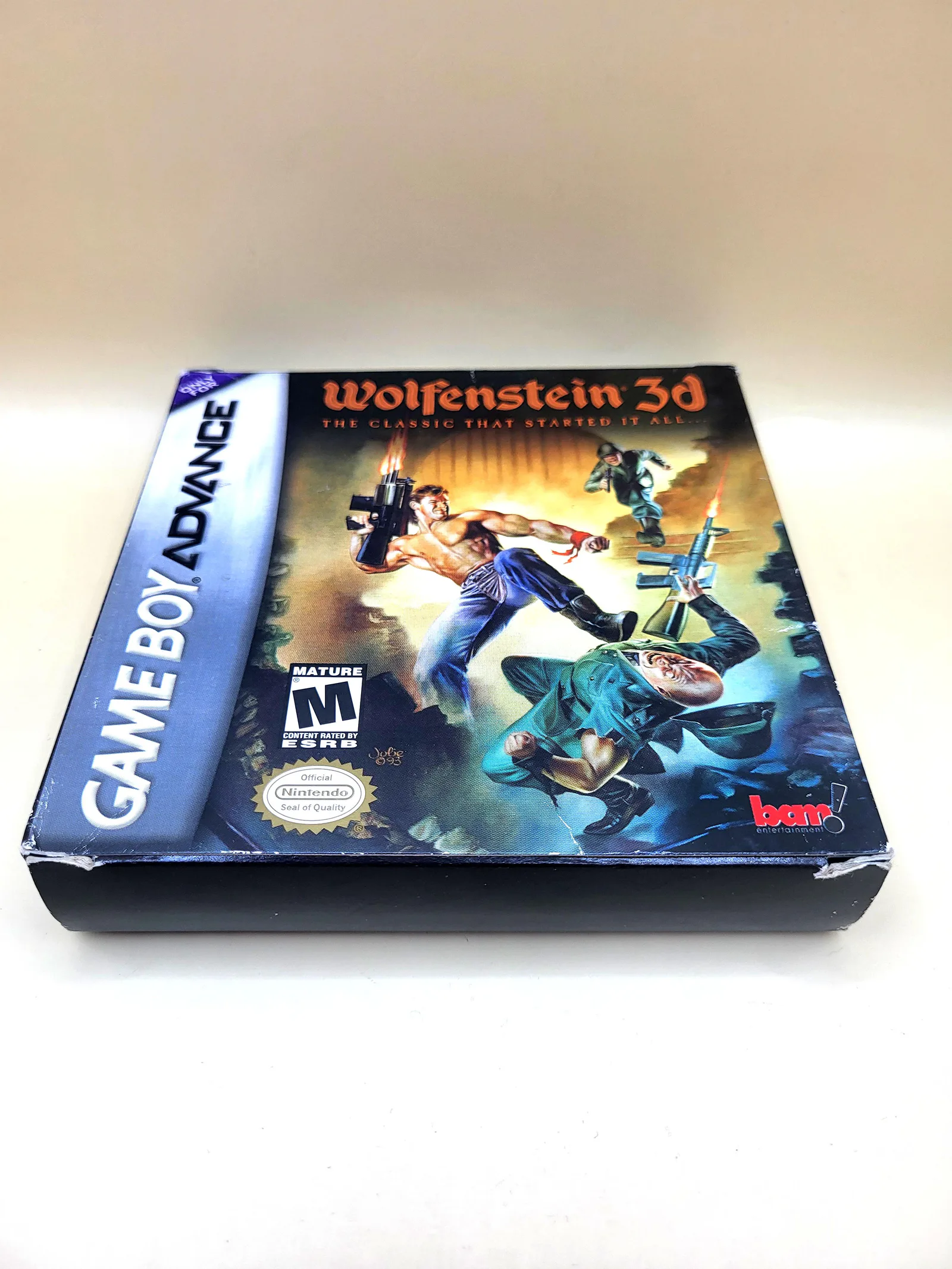
This product is like new. At NexWave Games, like new means:
Additionally, all discs at NexWave Games are carefully inspected and assessed for quality. When discs arrive, we do not accept any that are so badly damaged that they are unlikely to work. We only accept discs with light scratches at most. Discs with scratches are then treated in our professional disc repair machine. By warming the disc and polishing it with soft brushes, these machines can remove a very thin layer from the disc. This removes the layer containing surface scratches and improves the disc’s readability. This ensures the disc works properly, even on consoles with ageing lasers that have difficulty reading games! Great news for the player.
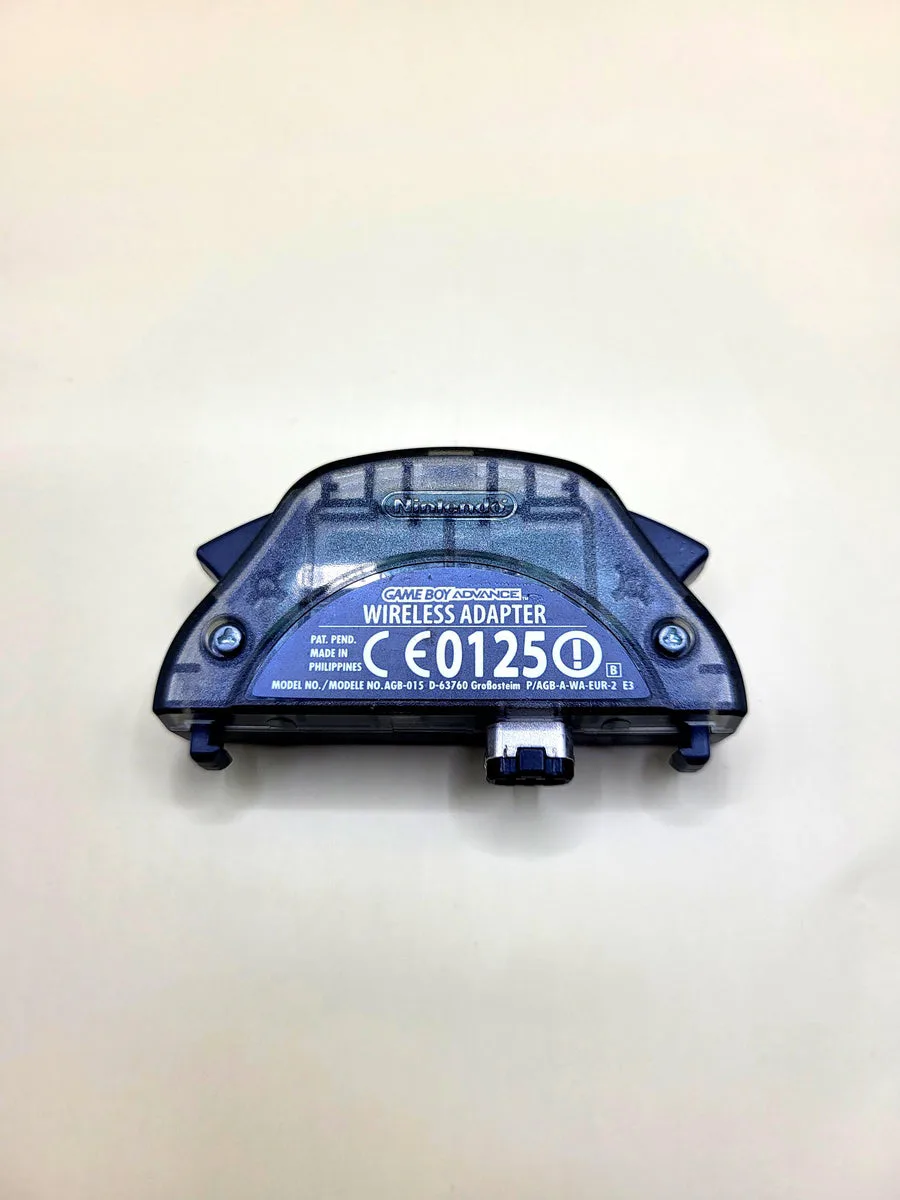
Game Boy Advance Wireless Adapter
The Game Boy Advance Wireless Adapter connects players in the same room without a link cable. This is Nintendo model AGB-015, as shown by the readable label in the product photograph. Connect it to the external extension port of a Game Boy Advance or Game Boy Advance SP. Then select the connection feature in a game that supports this adapter. It does not automatically make every GBA game wireless. The software determines what can be exchanged, player numbers and cartridge requirements.
Each participating handheld needs its own appropriate adapter. Nintendo recommends a maximum distance of three metres, with the adapters facing each other and no obstacles between them. Power comes from the connected system; this is not a standalone router or Bluetooth receiver. AGB-015 does not fit Game Boy micro, which has its own adapter model. A Nintendo DS with a GBA cartridge slot does not gain GBA link features through this accessory either. Game Boy, Game Boy Pocket and Game Boy Color are also unsupported.
Switch the console off before attaching or removing the adapter. The listing concerns the standalone adapter; consoles, games and adapters for other players are not included unless separately stated. This accessory provides local communication, not an internet connection. It does not restore historical events or distributions. The five examples below concern original Game Boy Advance cartridges and their own supported connection features.
History
Nintendo introduced the Wireless Adapter in Japan on 29 January 2004 alongside Pokémon FireRed and LeafGreen. Those games returned to the world of the first Pokémon adventures while adding a new way for players to connect. Where trainers had previously traded through a cable, supported games could now communicate wirelessly over a short distance. The adapter did not build that capability into the handheld itself: it remained a separate component attached to the extension port.
In Nintendo's retrospective, Satoru Iwata and Tsunekazu Ishihara described experimenting with that wireless connection. It meant more than removing a cord: players could gather and exchange data differently. According to that discussion, experience with the accessory also helped with Nintendo DS development. This makes AGB-015 a transitional step in Nintendo's handheld hardware history, between existing link cables and systems with wireless communication built in as standard.
Support was added game by game, including Pokémon Emerald and the handheld Mario sports titles. Older cartridges did not automatically gain the same capabilities afterwards. The later Game Boy micro also used its own physical connector and adapter. This component therefore matters today for the original hardware-and-software combinations. Two appropriate handhelds with supported cartridges can use local features without a present-day online service having to provide the connection.
Game Boy Advance Games with wireless connectivity
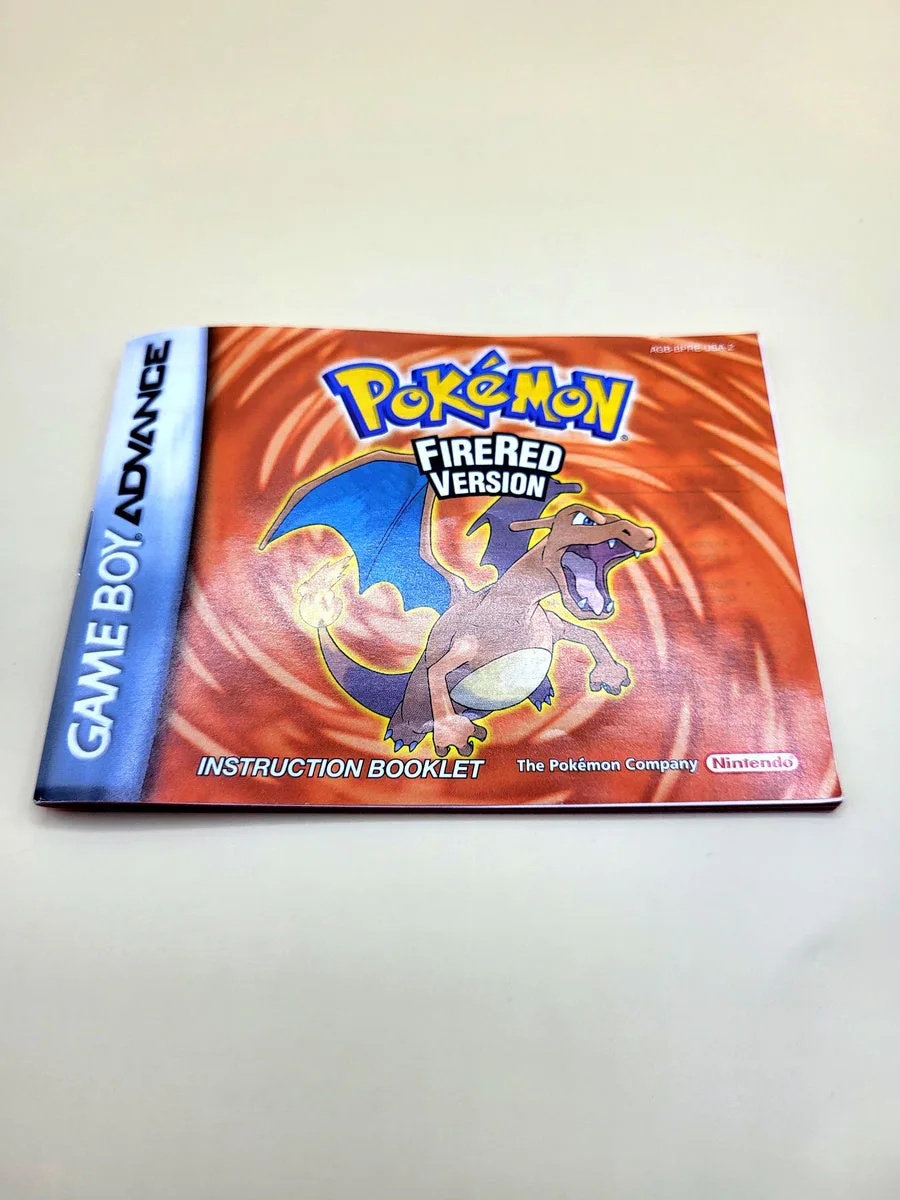
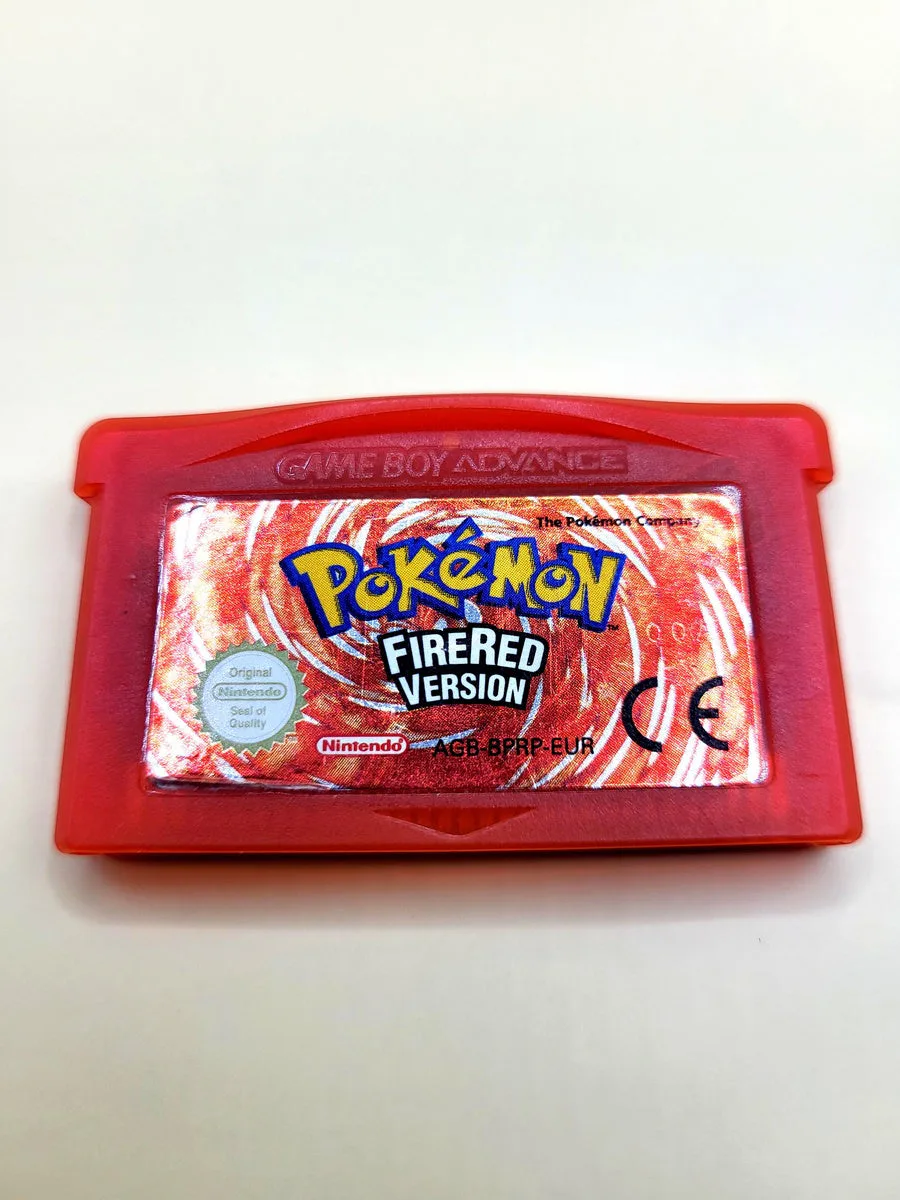
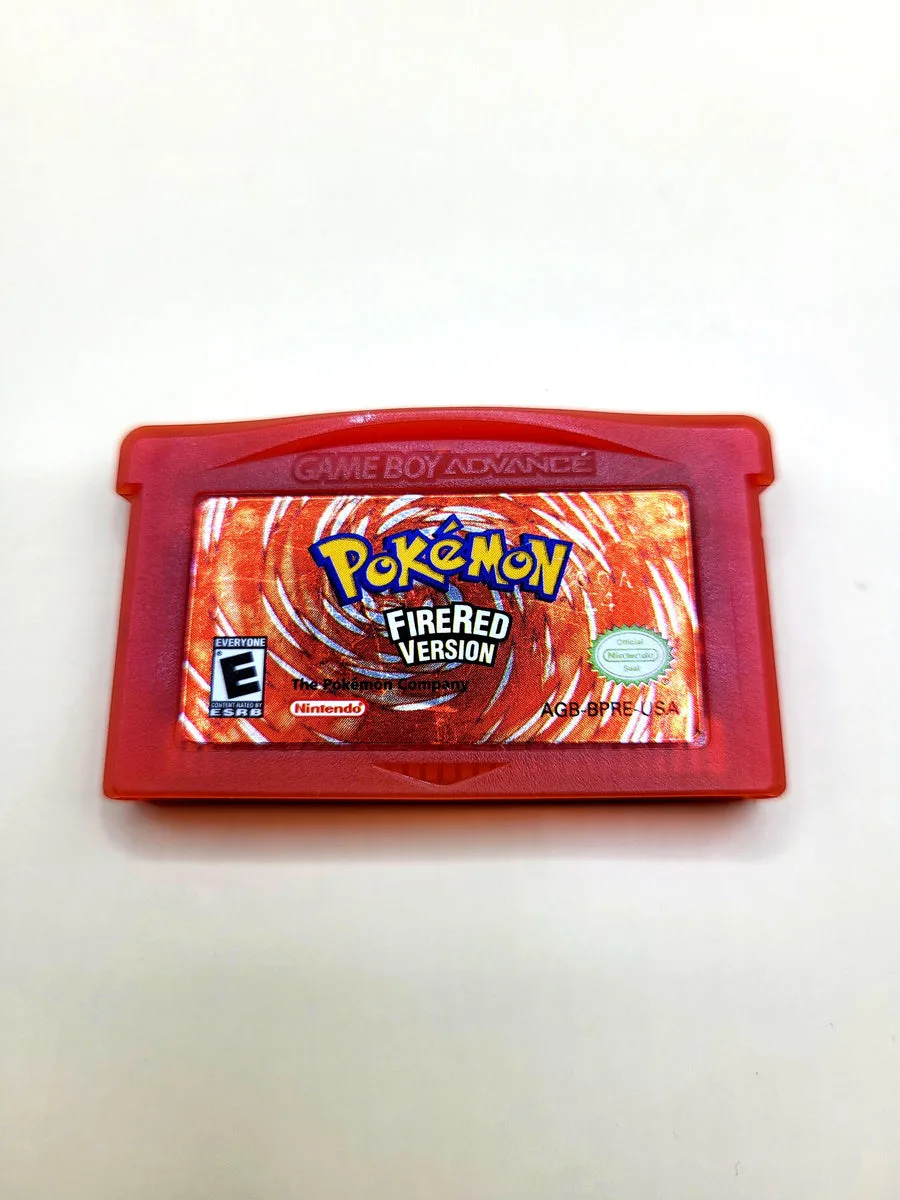
Pokémon FireRed takes you through Kanto, building a team, catching wild Pokémon and challenging Gym Leaders. The original GBA release supports the Wireless Adapter for local contact with other players. Trading expands your collection, while battles test your team. Available connections follow the game's requirements and progress. The adapter does not replace a cartridge or connect to a modern Pokémon game on another system.
Pokémon LeafGreen shares FireRed's adventure in Kanto but has its own selection of version-exclusive Pokémon. This gives trading with someone who owns another supported version a clear purpose. Wireless communication does not change turn-based combat: you still choose attacks and consider your team's characteristics. To connect two players, each needs an appropriate handheld, adapter and game; the game's requirements still apply.
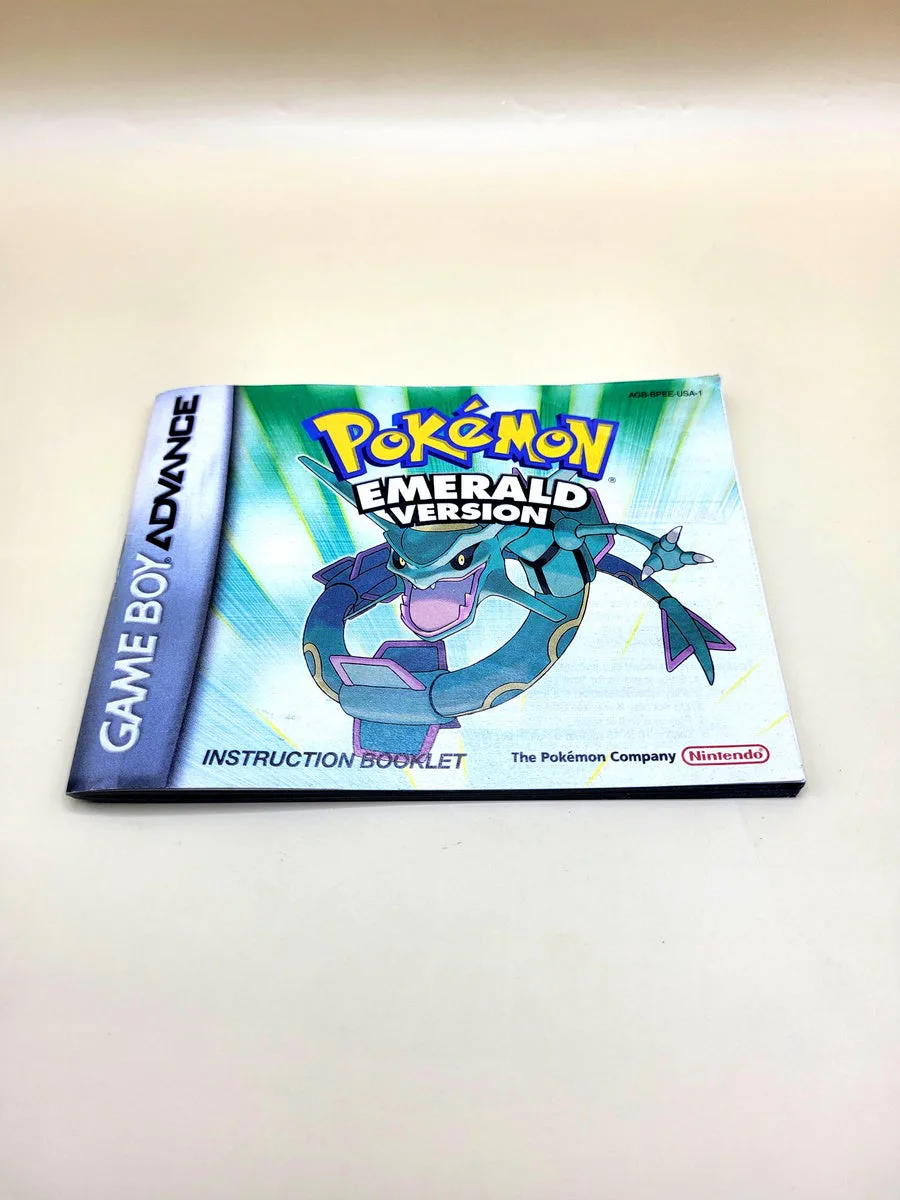
Pokémon Emerald moves the adventure to Hoenn, giving Rayquaza and the conflict between Team Magma and Team Aqua a central role. The Battle Frontier adds challenges for trained teams. Nintendo confirms wireless trading and battling with the Wireless Adapter. Do not confuse this with automatic wireless support for Ruby and Sapphire: those games use a link cable for their own connections. The chosen game combination therefore determines which connection method you need.
Mario Golf: Advance Tour combines golf matches with a story in which a custom character trains and develops. Read the course, choose a club and set the power and direction of a shot. In supported wireless multiplayer, the accessory changes how players connect, not how you perform a shot. The separate connection to Mario Golf: Toadstool Tour on GameCube uses a different cable and is not replaced by this adapter.
Mario Power Tennis, called Mario Tennis: Power Tour in North America, lets you train a young player at the Royal Tennis Academy. Matches and exercises develop skills, while powerful special shots add choices. The original GBA manual describes wireless matches with separate systems, cartridges and adapters for participants. This concerns the handheld release, not the GameCube game with the same European title. The later Wii U rerelease also lacks the original connection features.