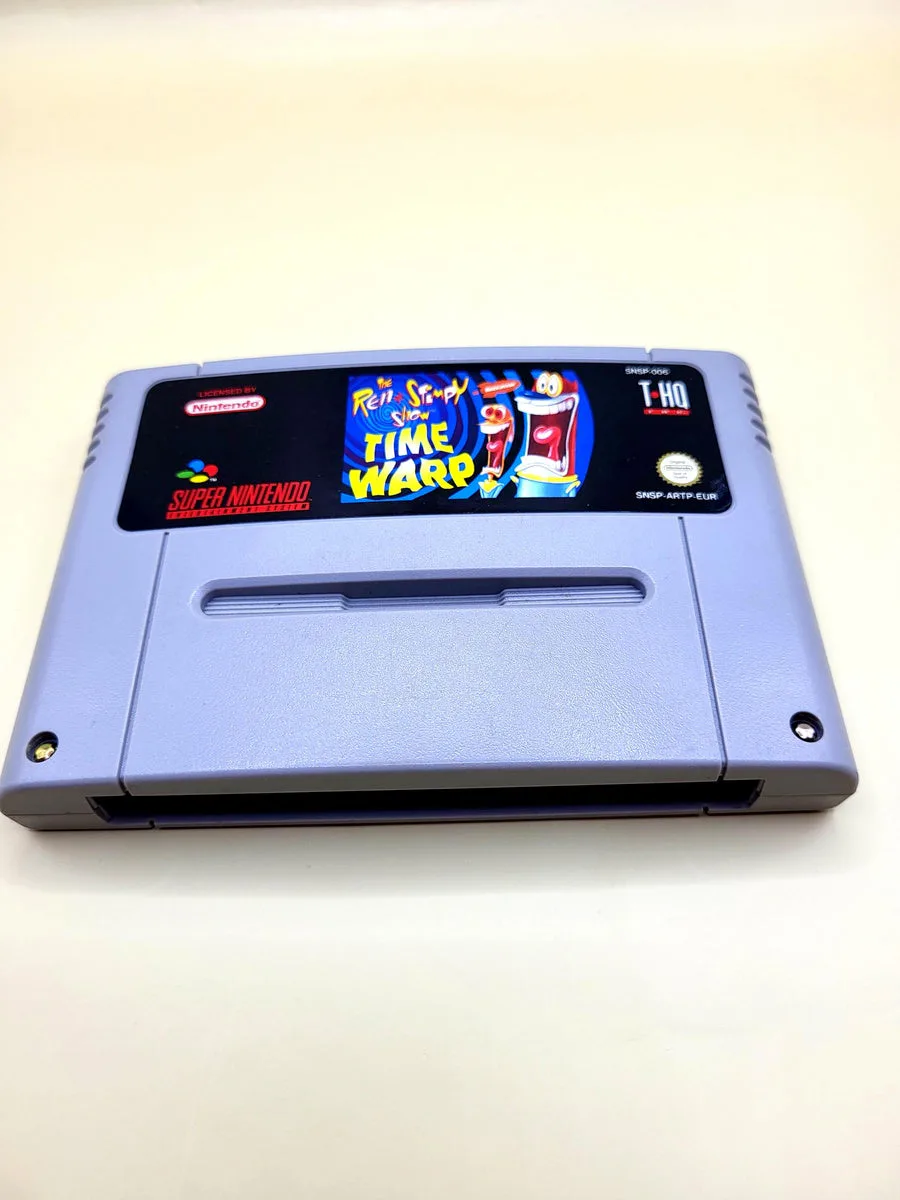
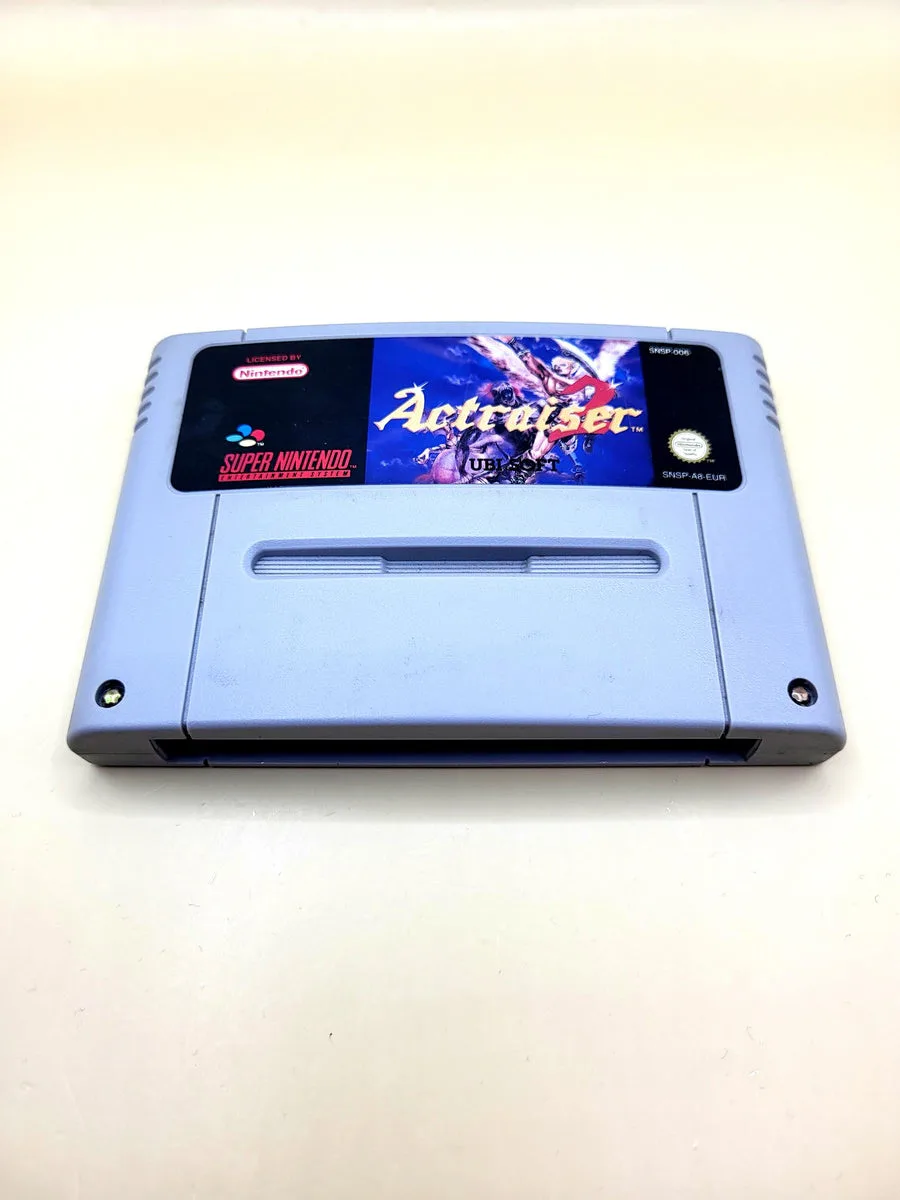
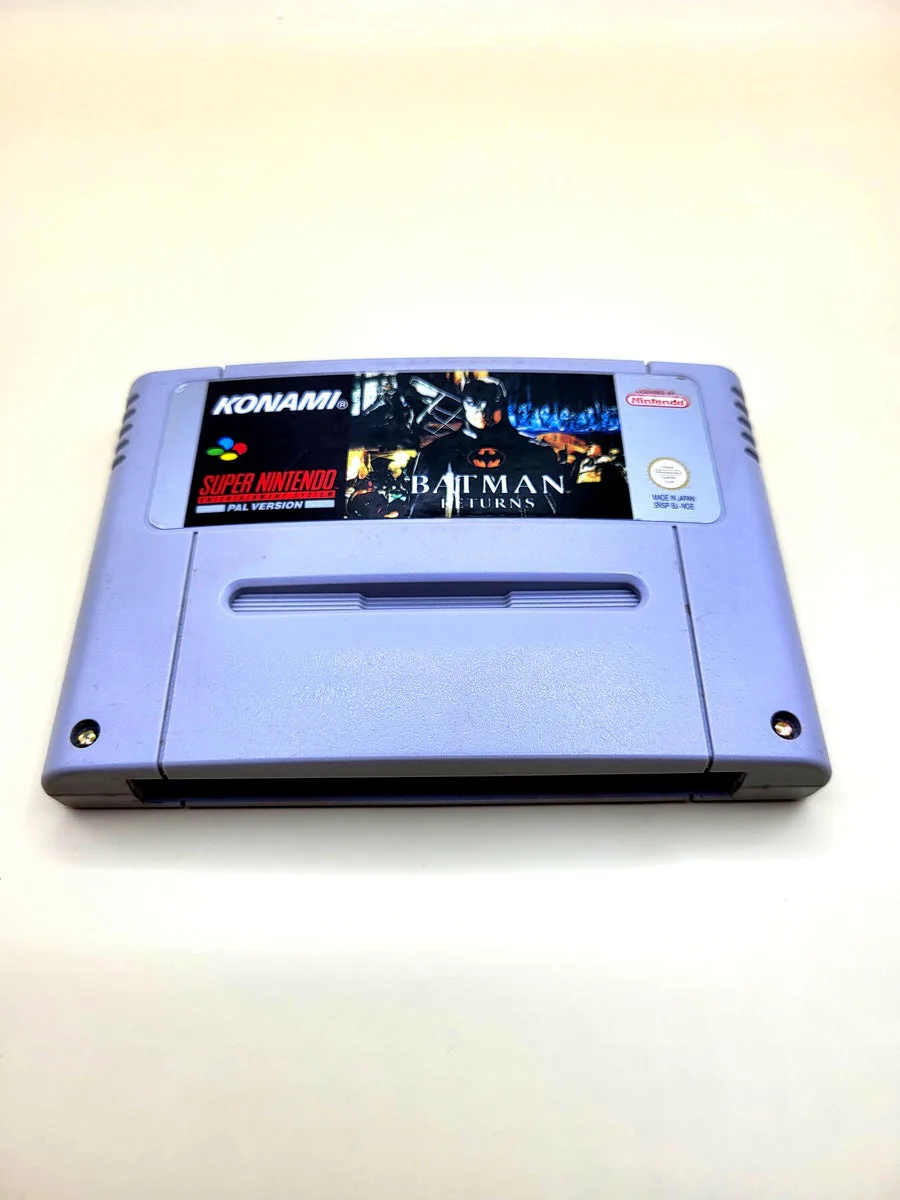
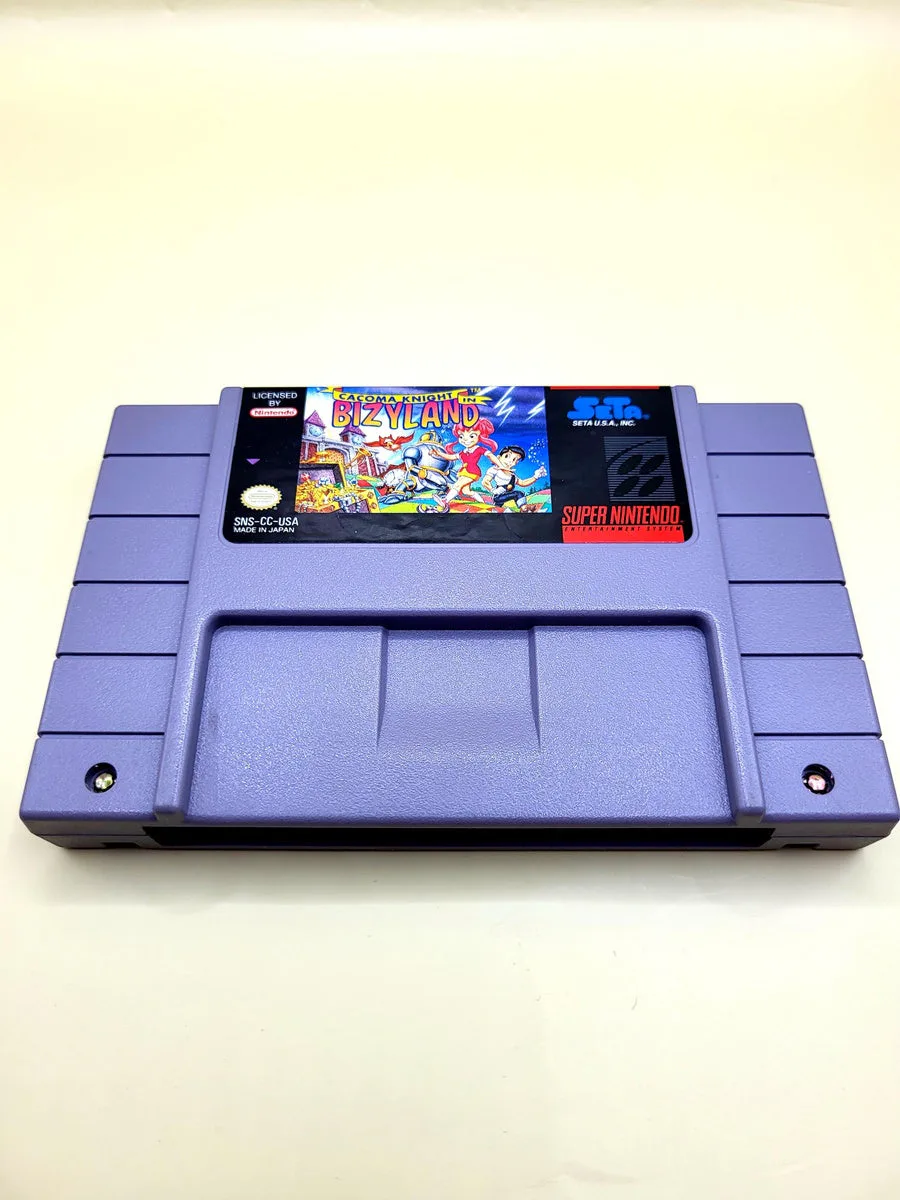
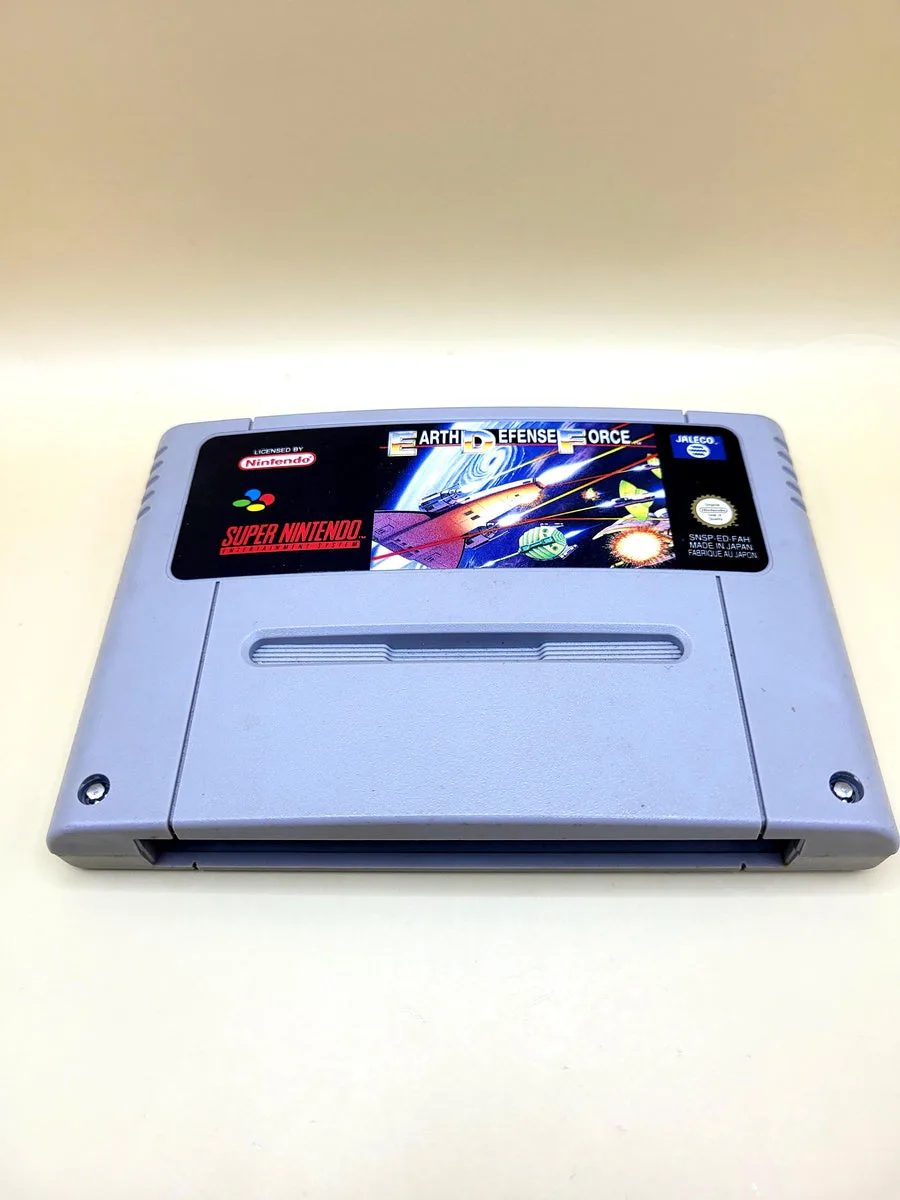
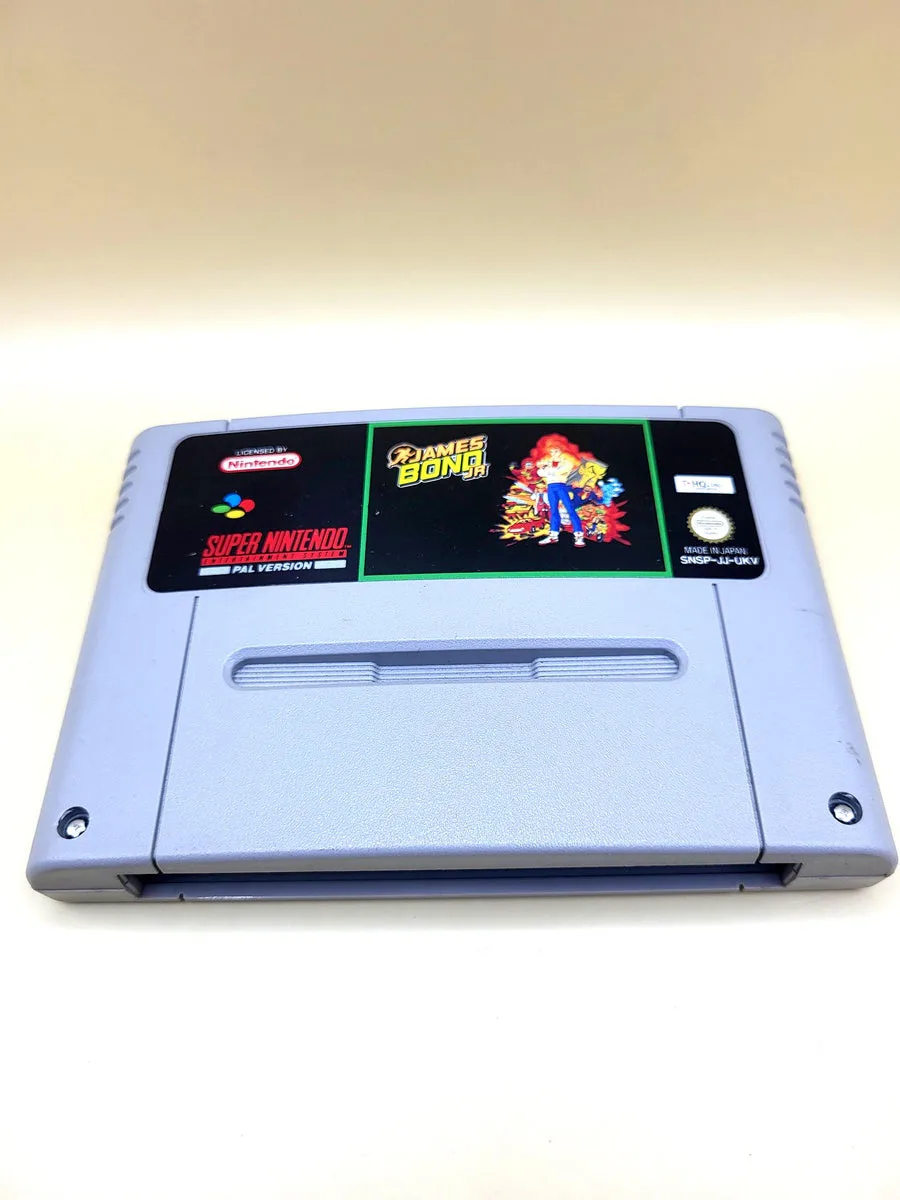
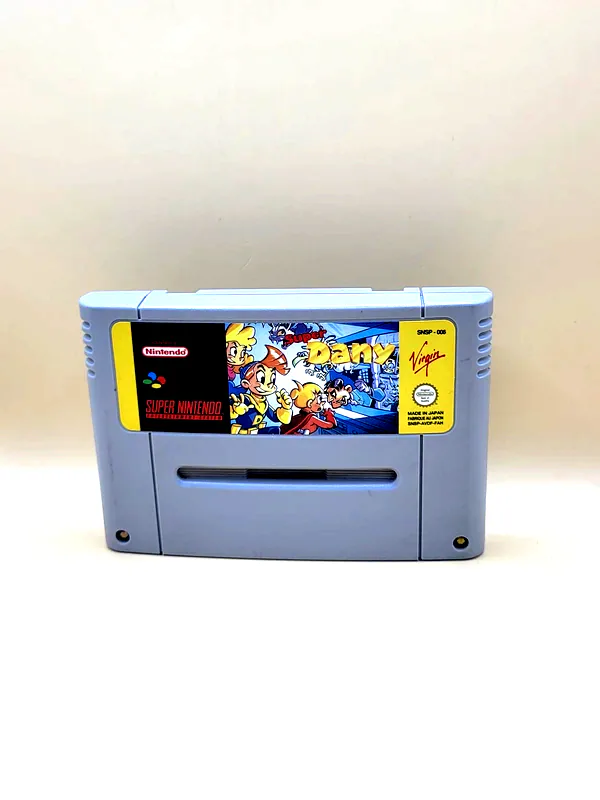
This product is like new. At NexWave Games, like new means:
Additionally, all discs at NexWave Games are carefully inspected and assessed for quality. When discs arrive, we do not accept any that are so badly damaged that they are unlikely to work. We only accept discs with light scratches at most. Discs with scratches are then treated in our professional disc repair machine. By warming the disc and polishing it with soft brushes, these machines can remove a very thin layer from the disc. This removes the layer containing surface scratches and improves the disc’s readability. This ensures the disc works properly, even on consoles with ageing lasers that have difficulty reading games! Great news for the player.
Super Nintendo Super Famicom Controller
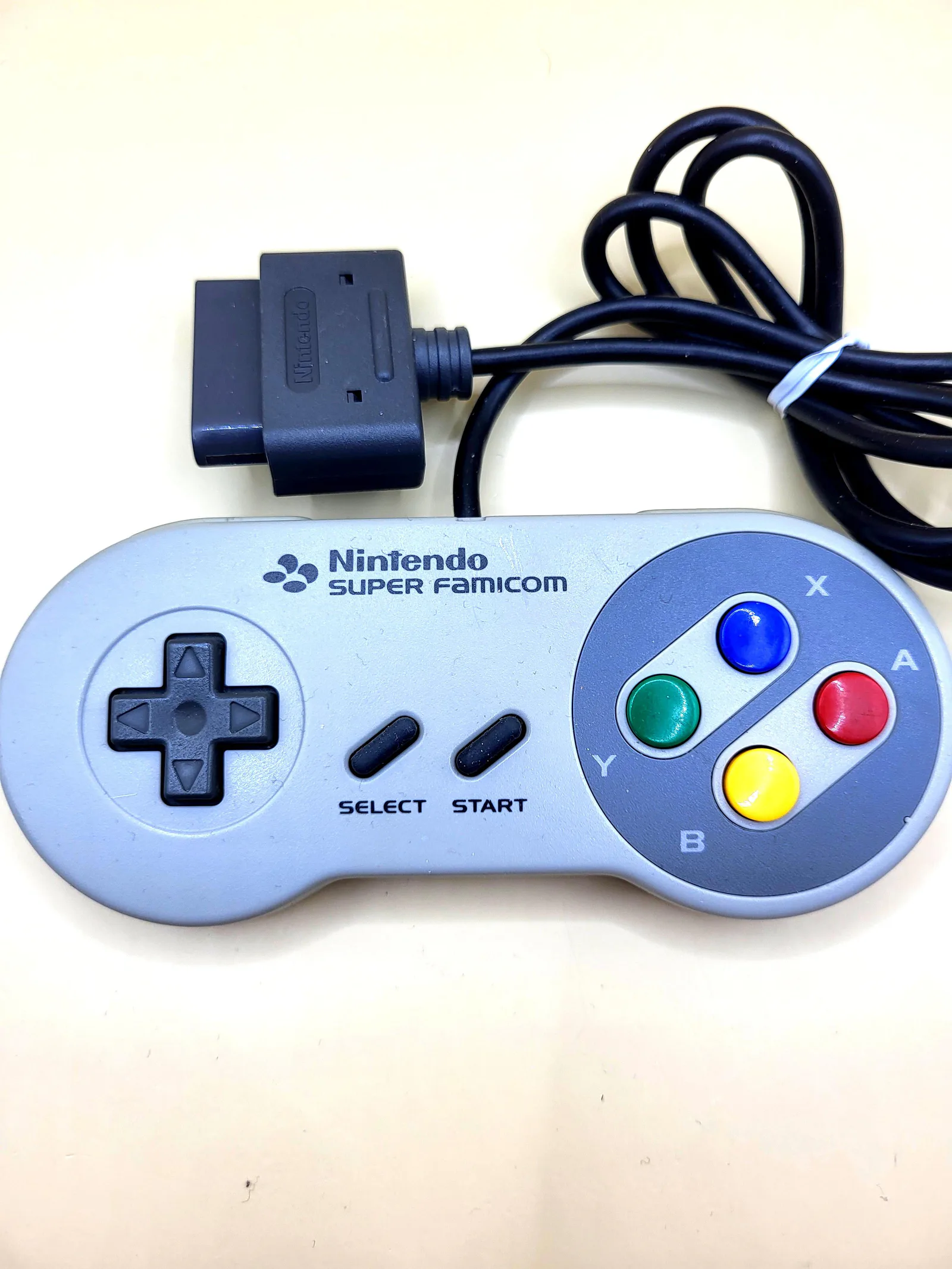
This Super Nintendo SNES Controller is offered as a Super Famicom Controller. The photo shows Japanese Nintendo branding, a fixed cable and four coloured action buttons. A, B, X and Y form a diamond; Start and Select sit centrally. Operate L and R on top with your index fingers. Choose directions with the digital pad on the left. It provides classic six-button control, without analogue sticks or built-in vibration.
Connect it to original compatible Super Famicom or Super Nintendo hardware. On a European PAL console, support for this Japanese controller version must be checked; a similar plug shape is not a universal guarantee for every regional hardware revision. It is not a USB gamepad, wireless Switch model or SNES Classic Mini controller. No batteries or charging cable are needed: the fixed connection supplies control input and power.
The five game examples show how this layout works on a compatible system. Mario combines running and jumping, while Super Metroid distributes weapons and movements across the buttons. Exact controls and player counts vary by game. Saves are not stored in the controller; the cartridge's facilities apply. With this separate controller, a console, adapters and games are included only if expressly stated in the offer.
History
The Japanese Super Famicom arrived in 1990 with a rounder controller than NES. In a later Nintendo interview, Shigeru Miyamoto described dividing the four action buttons into primary A and B and additional X and Y. Japan and Europe used different colours to distinguish them. American Super Nintendo used other colours and partly concave buttons. The familiar diamond thus emerged from a generation with regional variants.
Developers used the hardware in different ways. Super Mario World combined a map with secret exits and Yoshi. Super Mario Kart rotated and scaled the track beneath small karts, while Zelda and Super Metroid built larger interconnected areas. Some cartridges added their own chips for extra computation. This happened per game: a technical capability in one cartridge did not automatically enhance or make every existing game three-dimensional.
The controller gained two extra action buttons alongside A and B, plus the L and R shoulder buttons. This gave developers room for more actions while retaining the digital directional pad. Nintendo later took another step towards three-dimensional control with Nintendo 64. SNES remained tied to its own cartridges and controller ports. Digital reissues and Classic Mini revived many games, but their save points and rewind features do not belong to this original hardware.
Five popular Super Nintendo Games
Super Mario World for Super Nintendo SNES lets you explore Dinosaur Land with Mario, Luigi and their new companion Yoshi. Bowser has kidnapped the princess, and his followers guard the way through grasslands, caves, ghost houses and castles. You run, jump on enemies and look for items that give you new moves. With a Cape Feather, you can take off after a run-up and glide using your cape. A Fire Flower lets you throw fireballs.
Super Mario Kart for Super Nintendo SNES puts eight characters from Mario's world into small racing karts. You choose Mario, Yoshi, Bowser or Donkey Kong Jr., for example, and steer around compact circuits with sharp corners, loose surfaces and obstacles. The drivers differ in acceleration, top speed and cornering. A well-timed hop puts your kart into a power slide. Coins help you build speed, while collisions and item hits cost you coins.
The Legend of Zelda: A Link to the Past for Super Nintendo SNES begins with a cry for help from Princess Zelda on a stormy night. As Link, you leave your house and sneak into Hyrule Castle. This action adventure uses an overhead view: you explore forests, villages and dungeons, fight with your sword and find items that let you progress. Behind the rescue lies a greater danger involving the wizard Agahnim and Ganon.
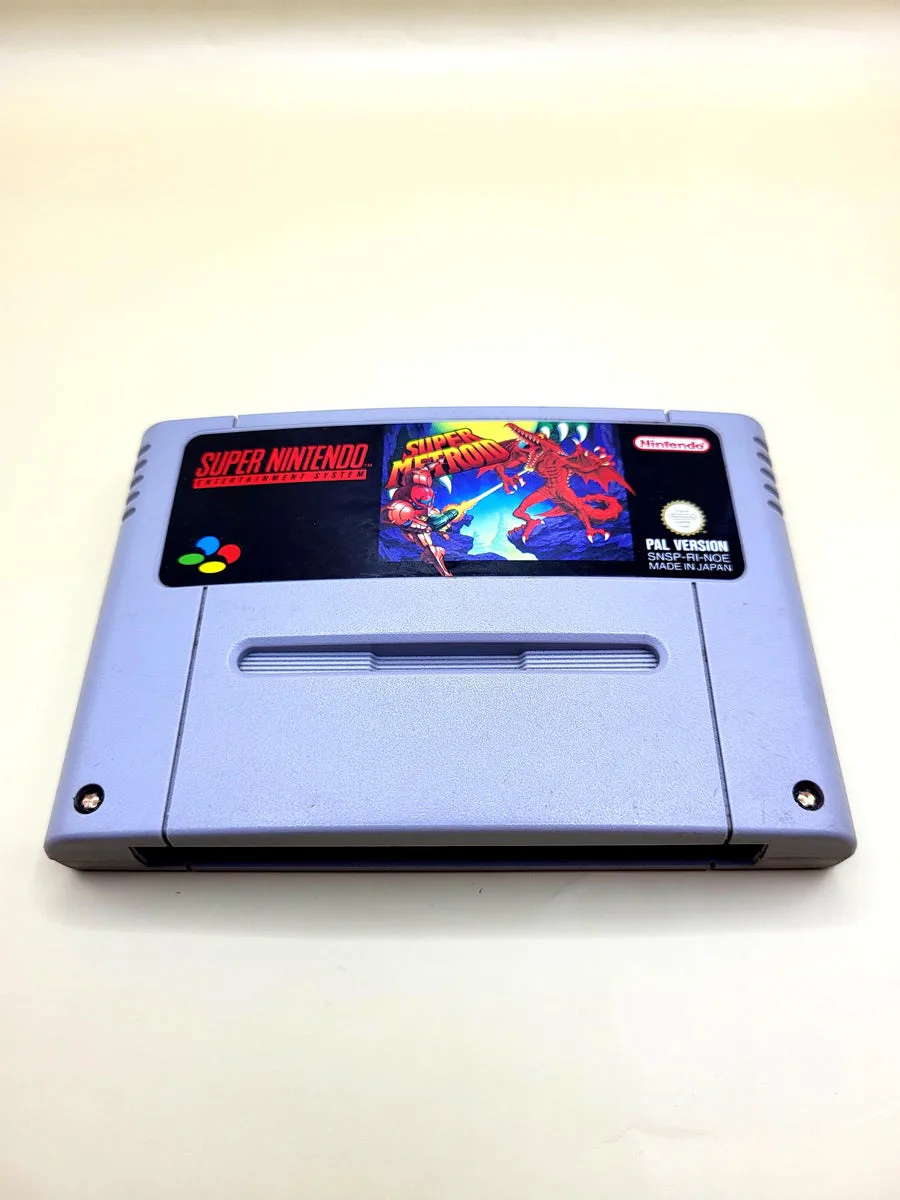
Super Metroid for Super Nintendo SNES sends bounty hunter Samus Aran back to the planet Zebes. Ridley has taken the last Metroid from a research station, and Samus pursues the Space Pirates. You explore a vast network of caves, shafts and abandoned facilities in a side-view action adventure. The route is not laid out as a sequence of separate levels: you seek connections between areas yourself and remember which passages remain out of reach for now.
Donkey Kong Country 2: Diddy's Kong Quest for Super Nintendo SNES sends Diddy and Dixie to Crocodile Isle to rescue the kidnapped Donkey Kong. Kaptain K. Rool has filled the island with pirates, traps and dangerous routes. You jump through ships' holds, climb ropes and dodge enemies among brambles. Diddy cartwheels into enemies. Dixie uses her ponytail to descend more slowly, letting you adjust a jump for longer.