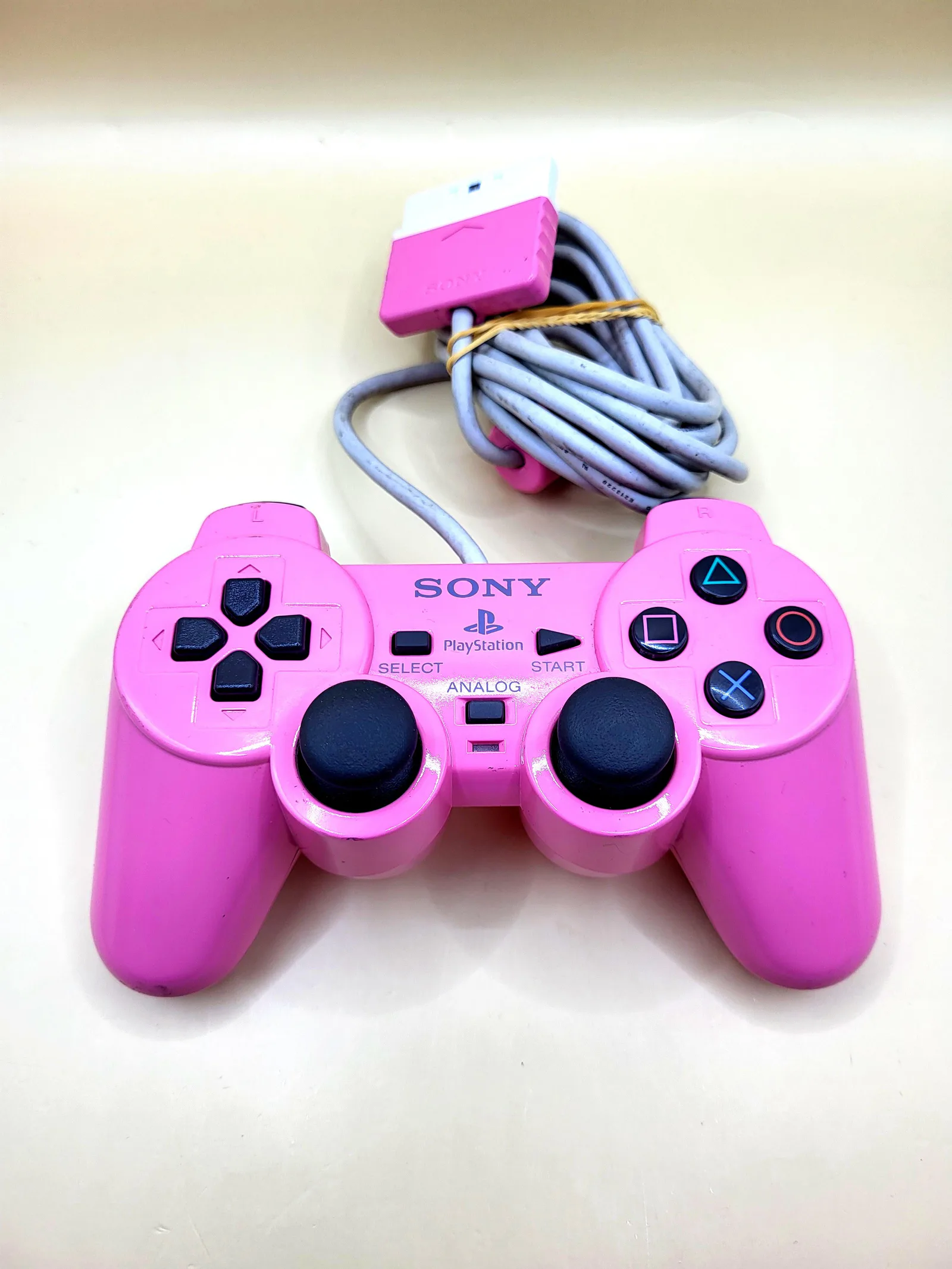
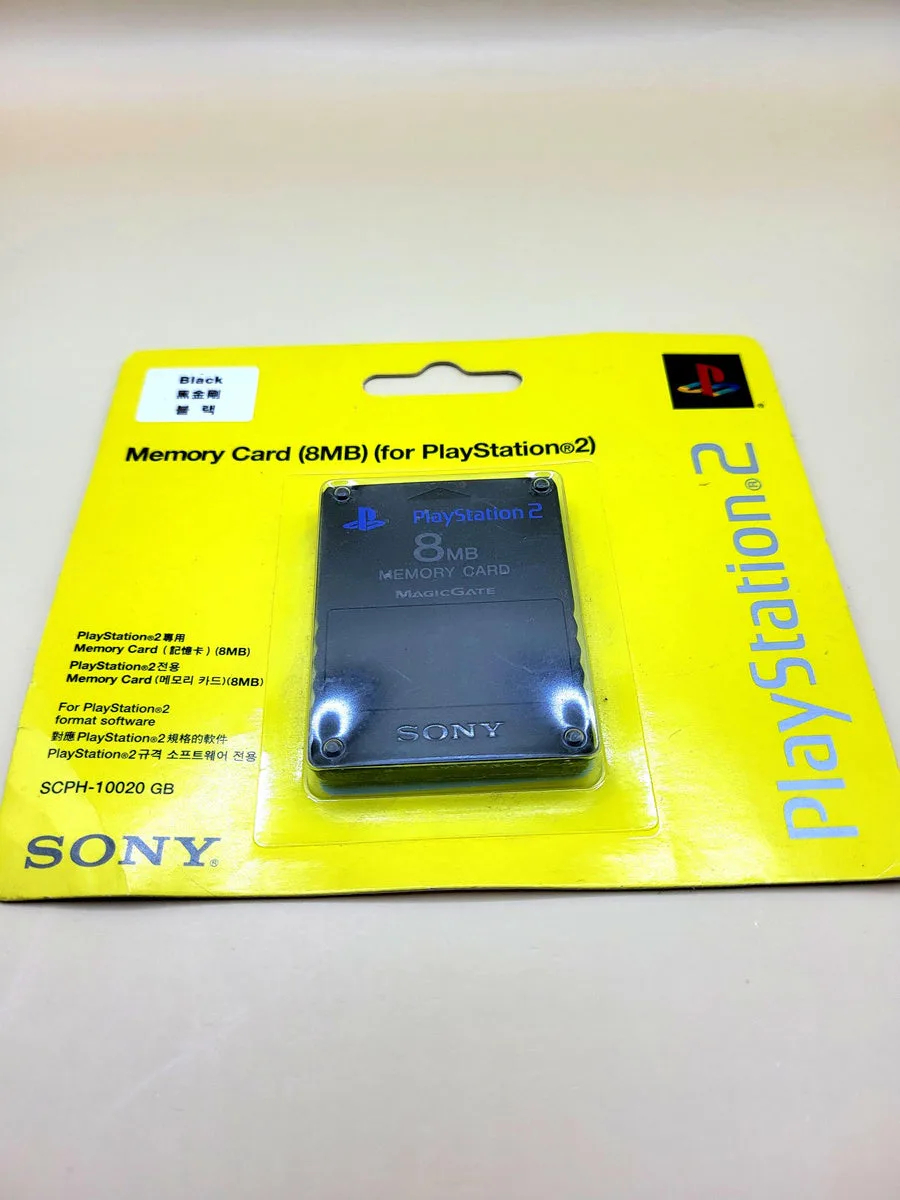
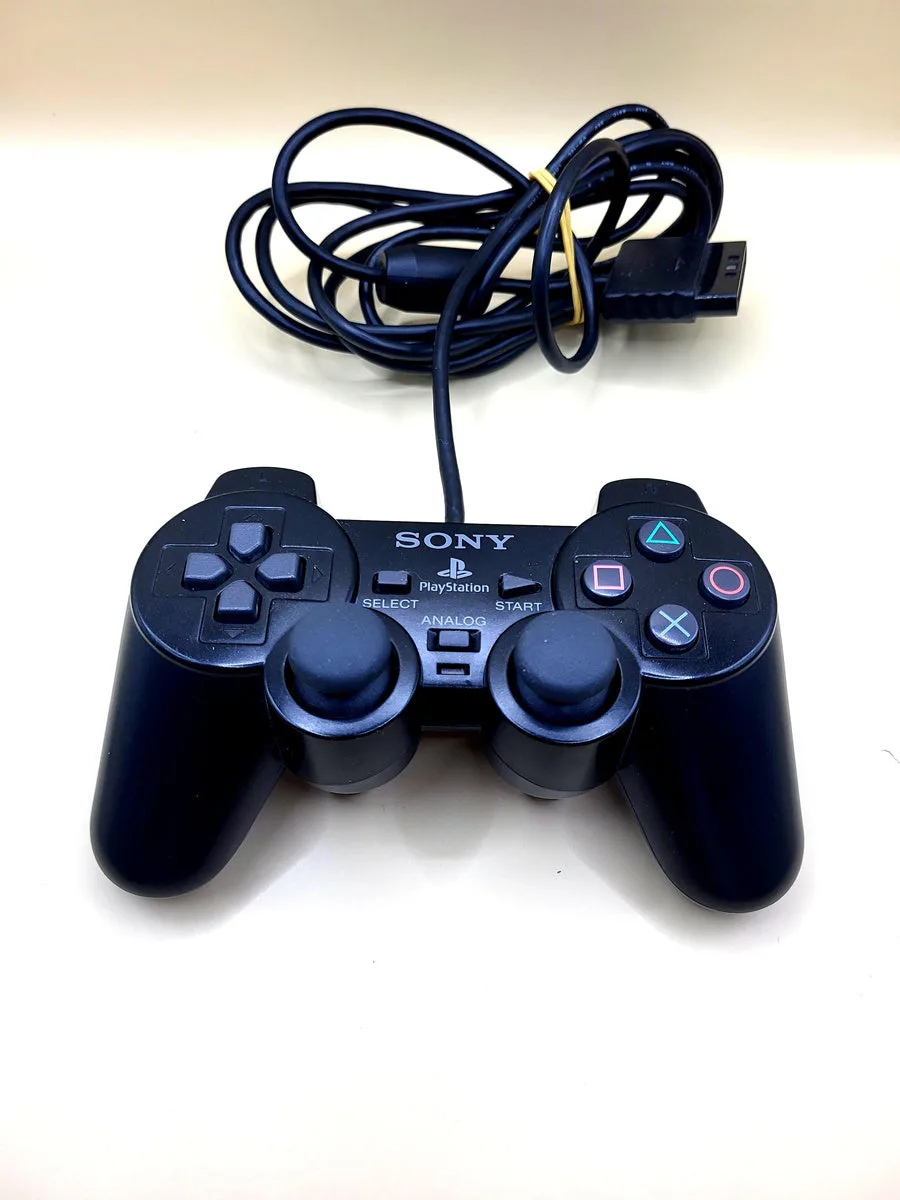
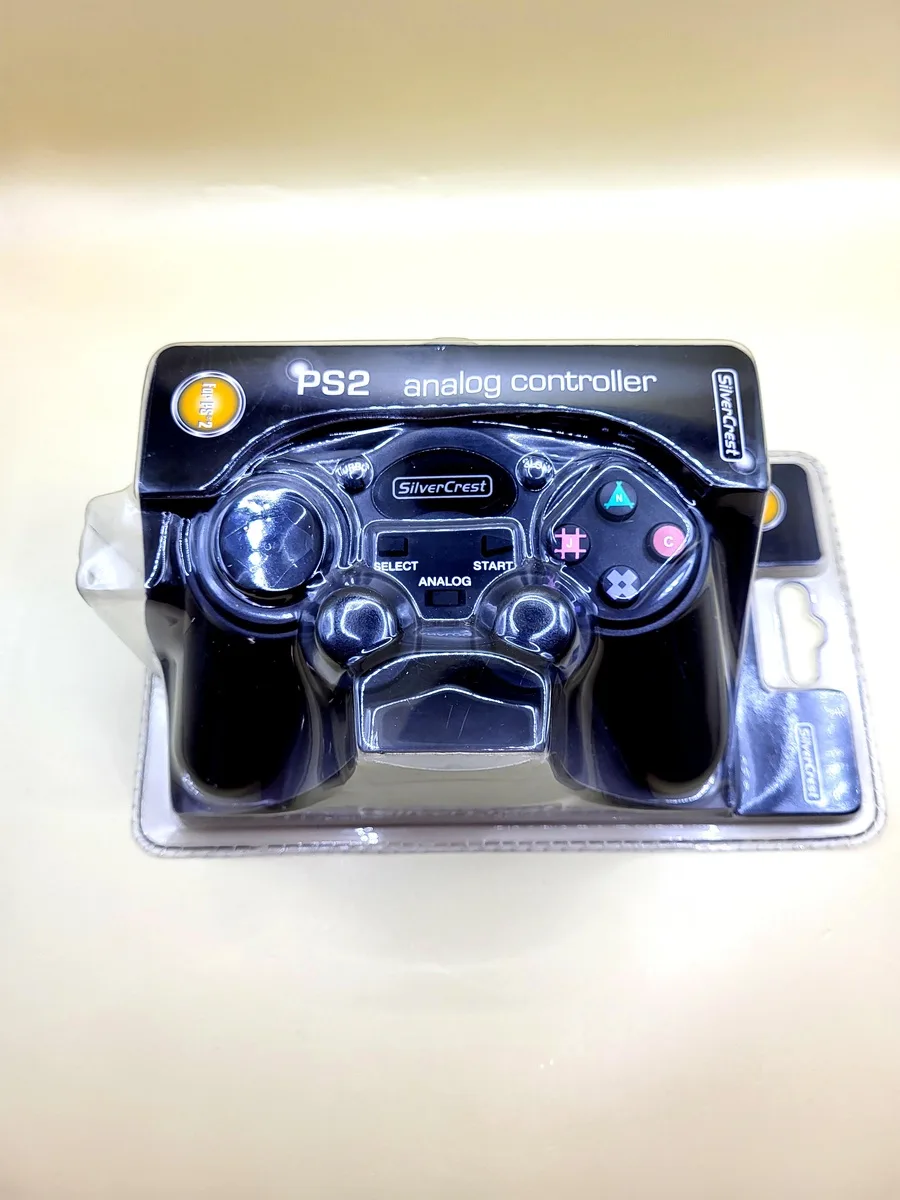
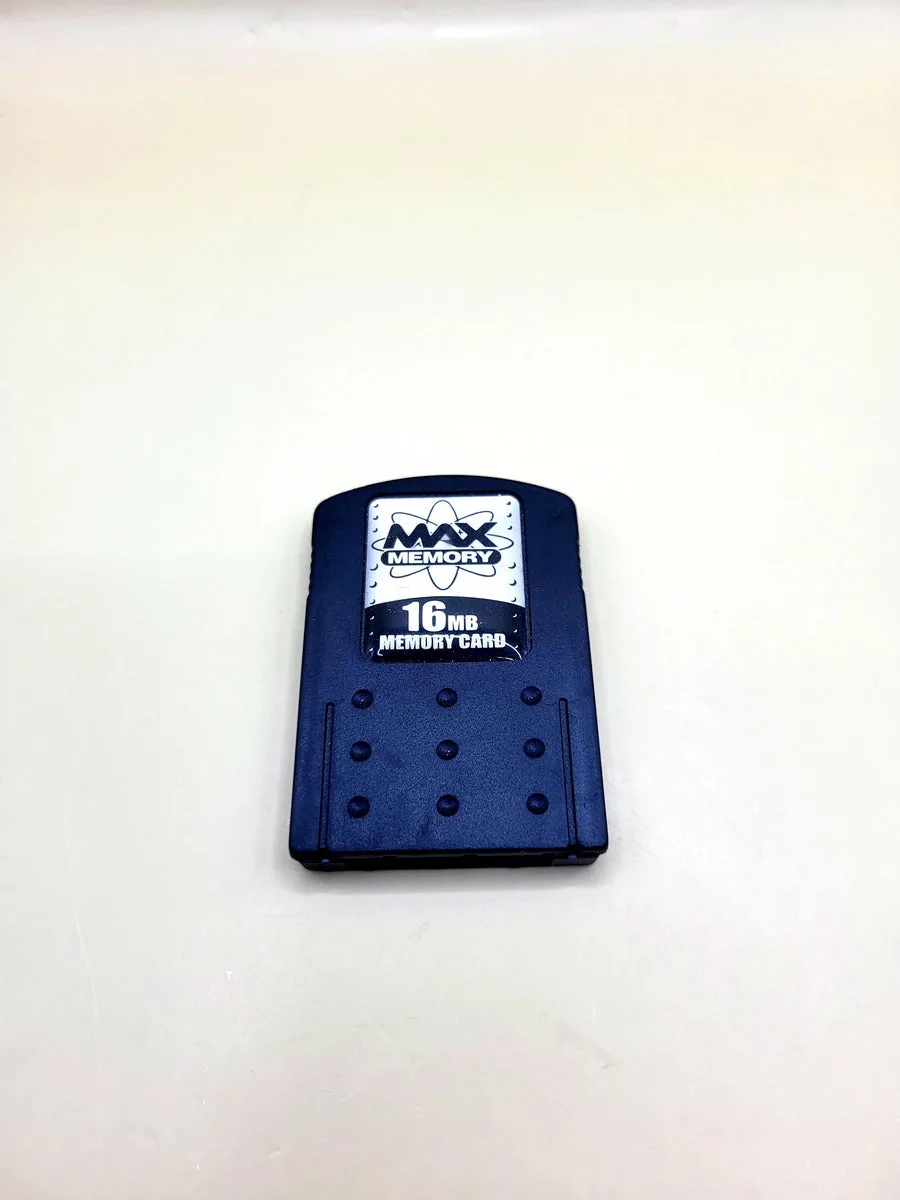
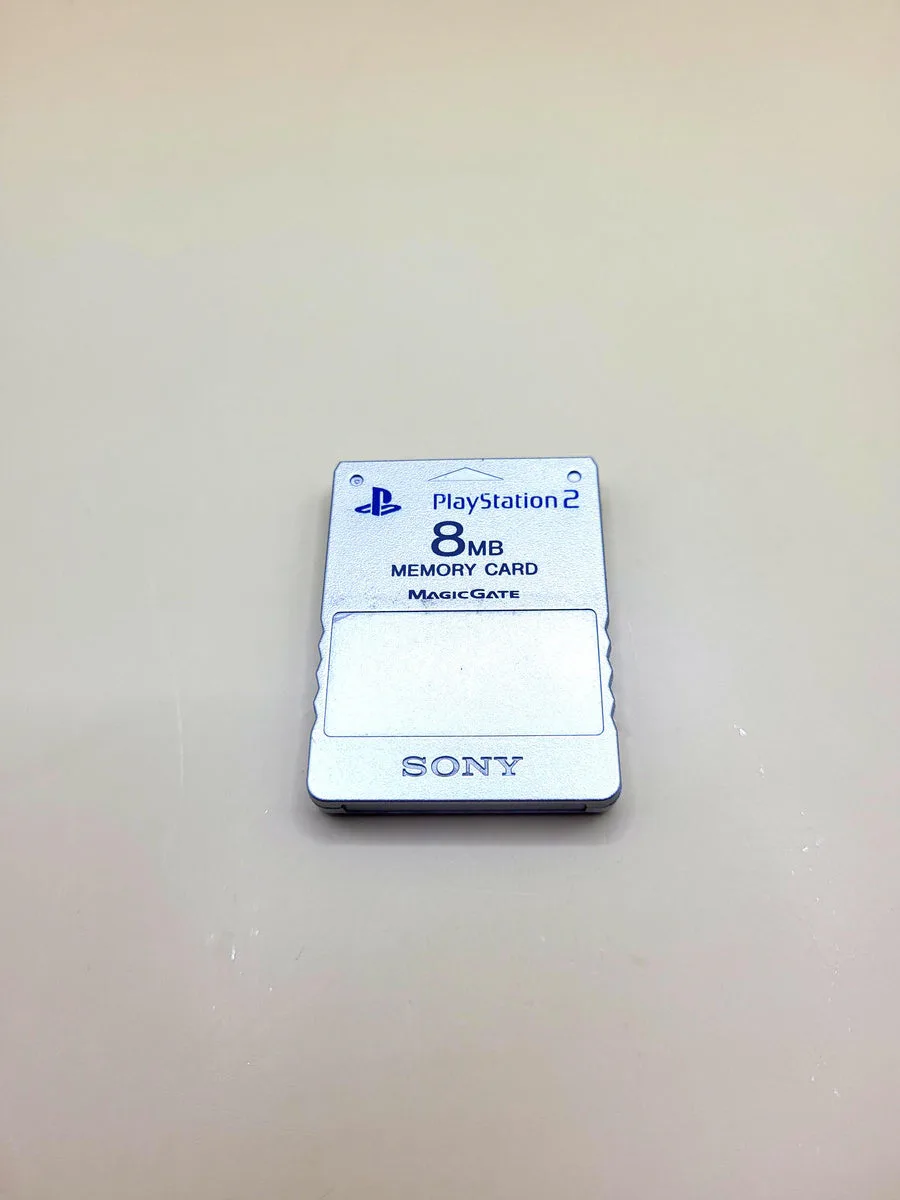
This product is like new. At NexWave Games, like new means:
Additionally, all discs at NexWave Games are carefully inspected and assessed for quality. When discs arrive, we do not accept any that are so badly damaged that they are unlikely to work. We only accept discs with light scratches at most. Discs with scratches are then treated in our professional disc repair machine. By warming the disc and polishing it with soft brushes, these machines can remove a very thin layer from the disc. This removes the layer containing surface scratches and improves the disc’s readability. This ensures the disc works properly, even on consoles with ageing lasers that have difficulty reading games! Great news for the player.
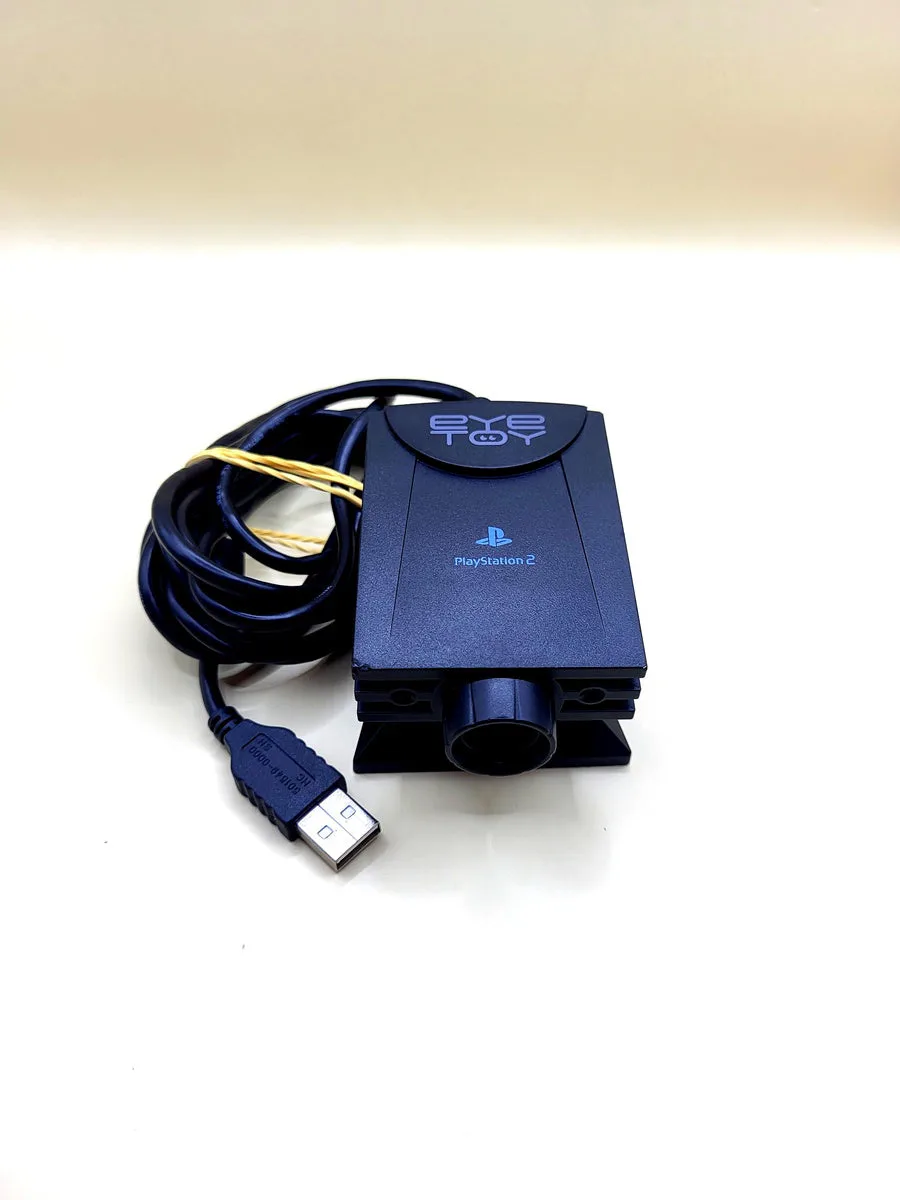
EyeToy Camera for PlayStation 2
The EyeToy camera for PlayStation 2 turns visible movement into game actions in supported games. Connect its fixed USB cable to the console and place the camera securely by the television. USB also supplies power; separate batteries are not needed. The black camera pictured has an adjustable lens ring for focusing the image. This offer is for the camera, without a console or game software. The camera contains no built-in games.
In many EyeToy games you see yourself among virtual objects on screen. You can hit targets by moving your hands to the correct position. Light the playing area well and avoid bright light behind you. A moving background can interfere with recognition. Follow the game's calibration and leave enough space to move your arms and body. You do not touch the television: the game reads the camera image.
Support depends on the software. A USB connection does not make every PS2 game controllable with your body. EyeToy is not the later PlayStation Eye for PS3 or PlayStation Camera for PS4 either. Use the correct game version and any other required parts. Menus may still require a regular controller. The five examples below show how PS2 developers used the same camera for short activities, rhythm and spatial controls.
History
EyeToy arrived for PlayStation 2 in 2003 and put the player inside the television picture. Sony paired the camera with EyeToy: Play, where movement replaced conventional button actions. The idea grew from research into camera input: Sony researcher Richard Marks later described how freedom of movement and simple interaction guided development. Players did not need to hold a device to hit a virtual object. The camera itself remained connected to the console by USB.
The technology combined camera capture with game software that recognised changes in the image. Developers could therefore design different tasks without making a new accessory each time. Rhythm games followed arm movements, short party games placed objects around your body, and AntiGrav used movement to steer a virtual hoverboarder. Those differences came from the games, not a switch on the camera. EyeToy did not replace an entire game library or a regular controller for every purpose.
Sony later described EyeToy as a step in its development of camera games and motion interaction. The subsequent PlayStation Eye and Move belonged to different hardware and gained different capabilities. That progression does not retroactively make the PS2 camera equivalent to those newer systems. On an existing PlayStation 2, EyeToy preserves the original approach: a USB camera, a compatible disc and a clear, well-lit area in front of the television, where the game processes visible movements.
Five popular PlayStation 2 games
EyeToy: Play for PlayStation 2 uses the EyeToy USB camera as its controller. You see yourself on screen and touch virtual objects with your hands, arms or head. The disc contains twelve short games: repel attackers in Kung Foo, clean windows in Wishi Washi and hit speakers to the beat in Beat Freak. Other challenges involve heading balls, avoiding ghosts, deflecting rockets or keeping a plate spinning. A regular controller mainly handles menus; gameplay requires the camera.
EyeToy: Play 2 for PlayStation 2 once again turns your body into the controller through the EyeToy USB camera. Twelve main games use different movements. Stop footballs in Goal Attack, swing a bat in Home Run and return quick shots left and right in Table Tennis. Kung 2 responds to punches and kicks, while DIY imitates hammering, sawing and painting. The disc also contains dozens of shorter bonus challenges that vary timing, speed and accuracy.
EyeToy: Play 3 for PlayStation 2 contains more than fifty camera activities involving sport, music, action and short party challenges. The EyeToy USB camera shows you in the playfield and registers movement without a regular controller. Catch ghosts in a mansion in Ghost Grab, follow physical commands in Boot Camp and let up to four participants share a lane in Bowling. Other activities include beach volleyball, athletics, making music, a beauty salon and demolishing buildings with an ape.
EyeToy: Groove for PlayStation 2 uses the EyeToy USB camera to read arm movements while you dance to music. Targets appear along the edges of the image and must be hit with your hands and arms at the right moment. The disc contains 28 licensed songs by artists including Madonna, Elvis Presley, Fatboy Slim, Jamiroquai and Village People. Each choreography combines fixed rhythm patterns with free movement; no dance mat is needed and a regular controller mainly serves the menus.
EyeToy: AntiGrav for PlayStation 2 uses face and body recognition to control a futuristic hoverboarder. After a short calibration, lean left or right to steer, crouch to gain speed and move your arms to trigger jumps, tricks and interactions. You therefore control a fully three-dimensional character instead of seeing your own video image directly among flat game objects. A compatible EyeToy USB camera is required; a regular controller is mainly used for menus and settings.