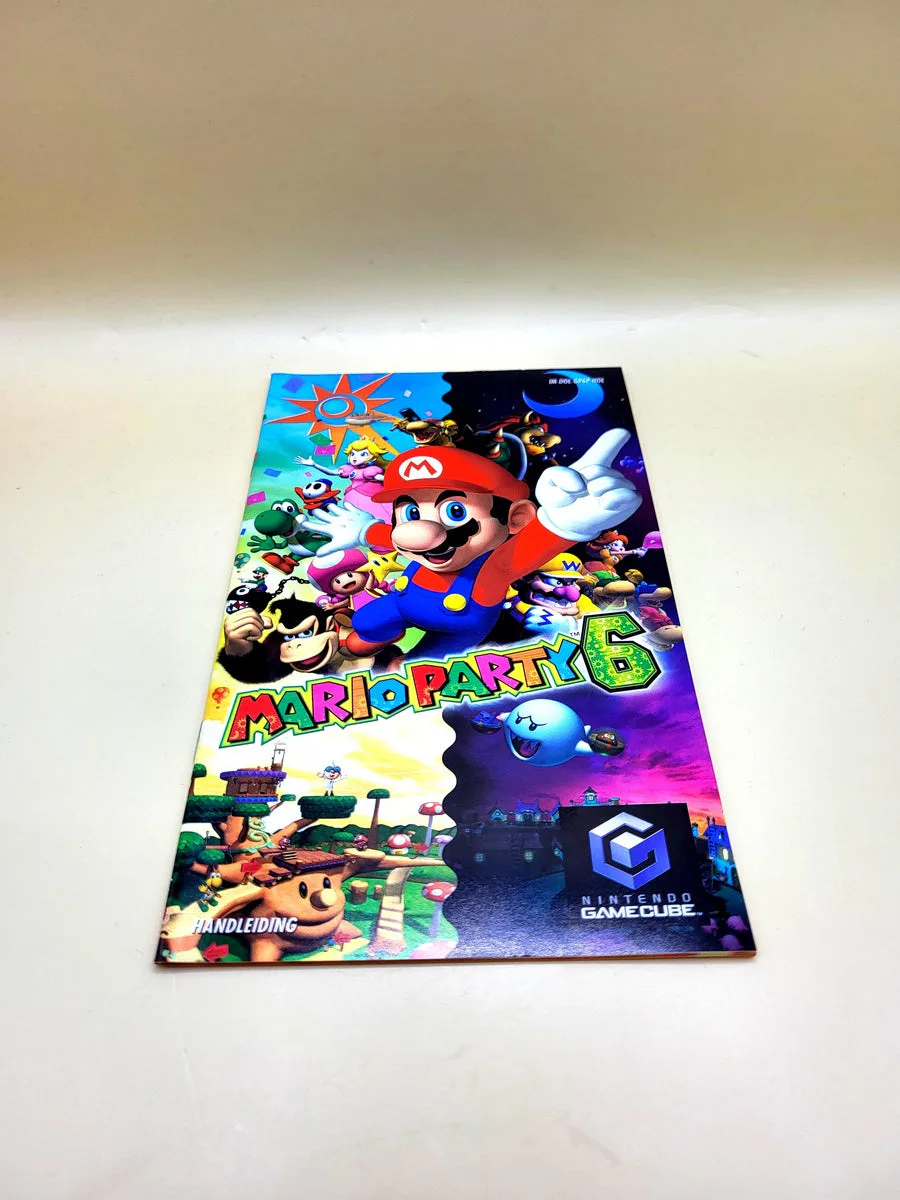
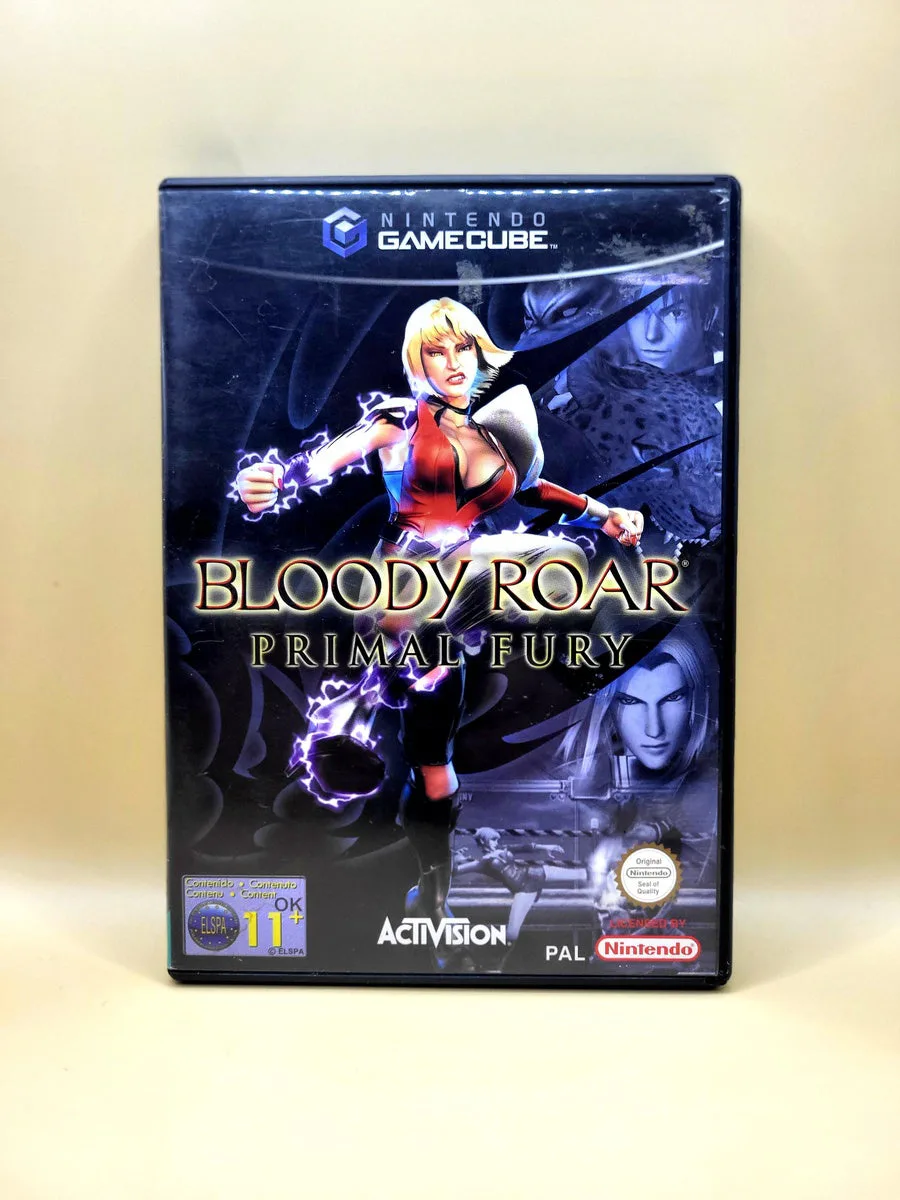
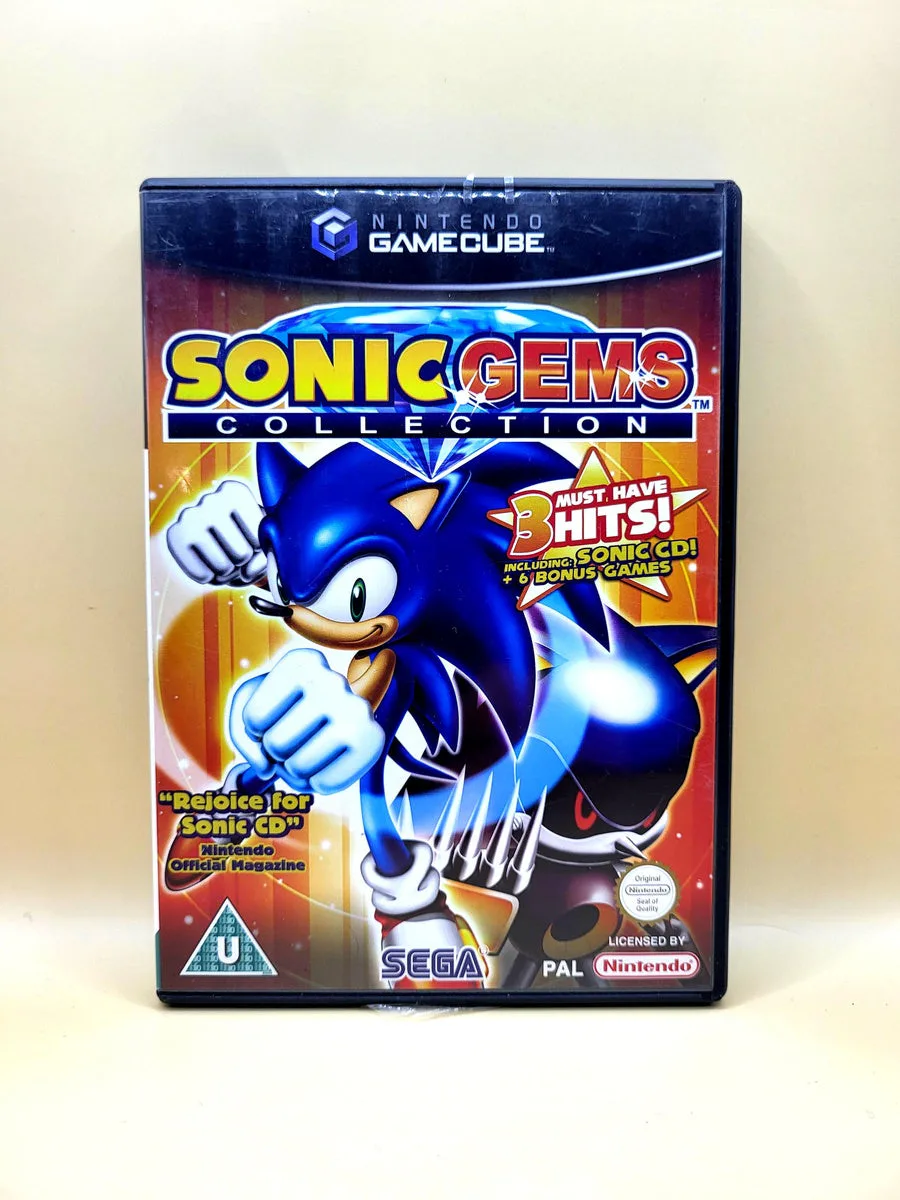
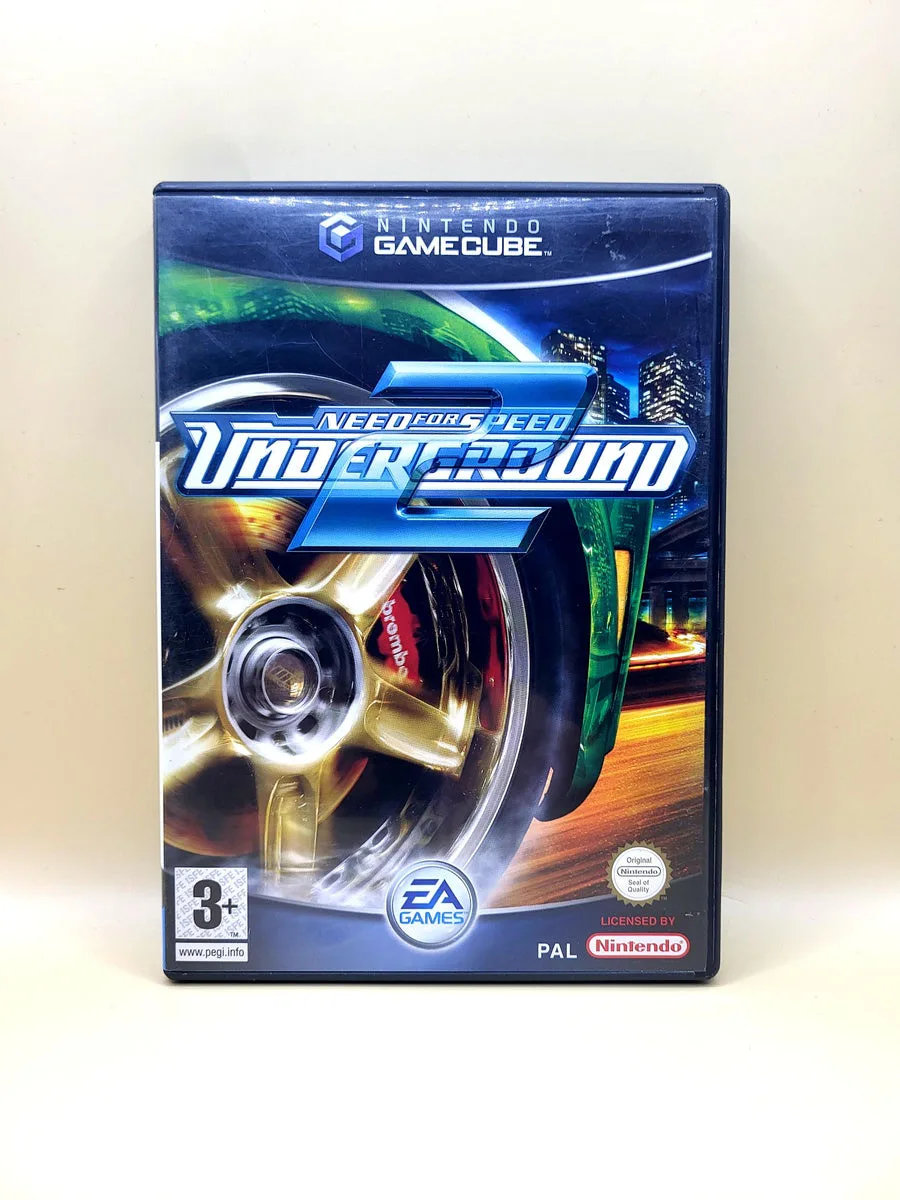
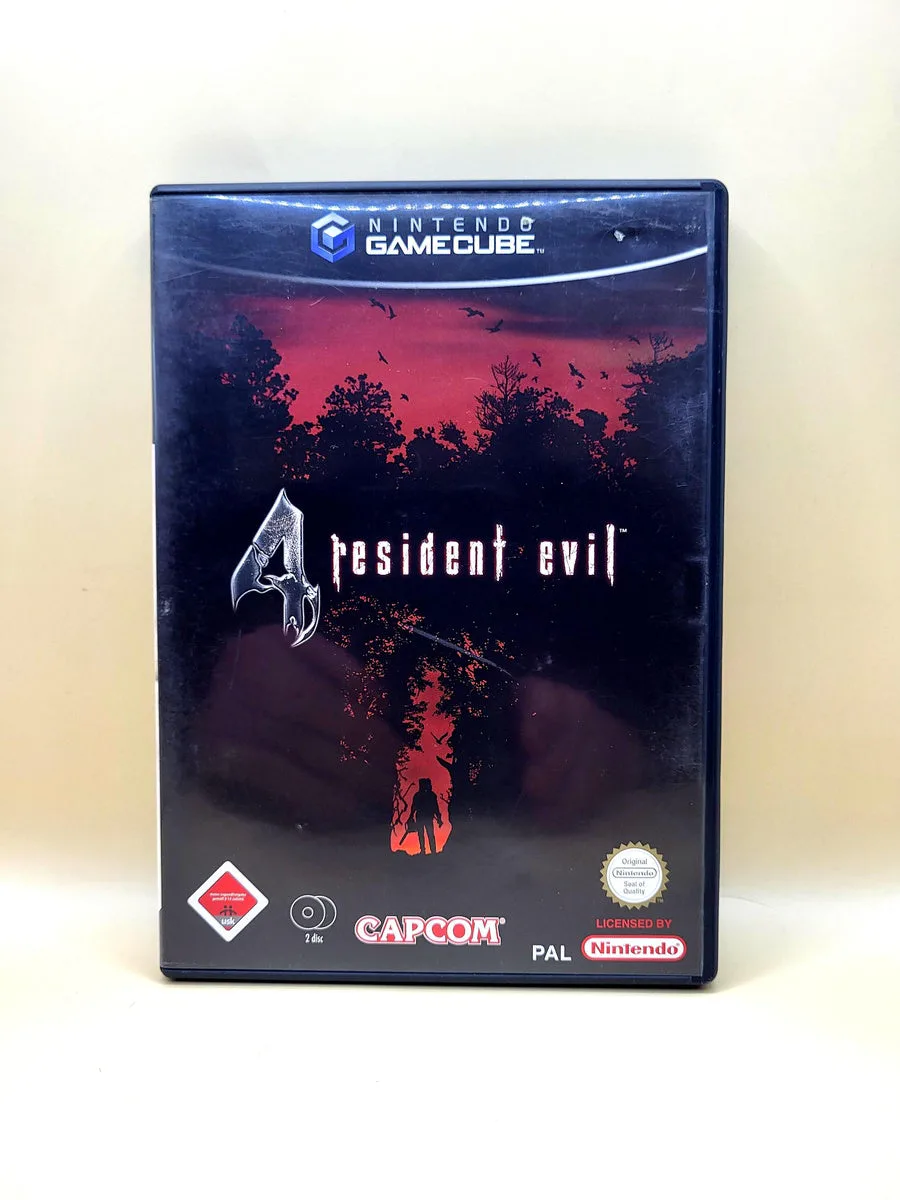
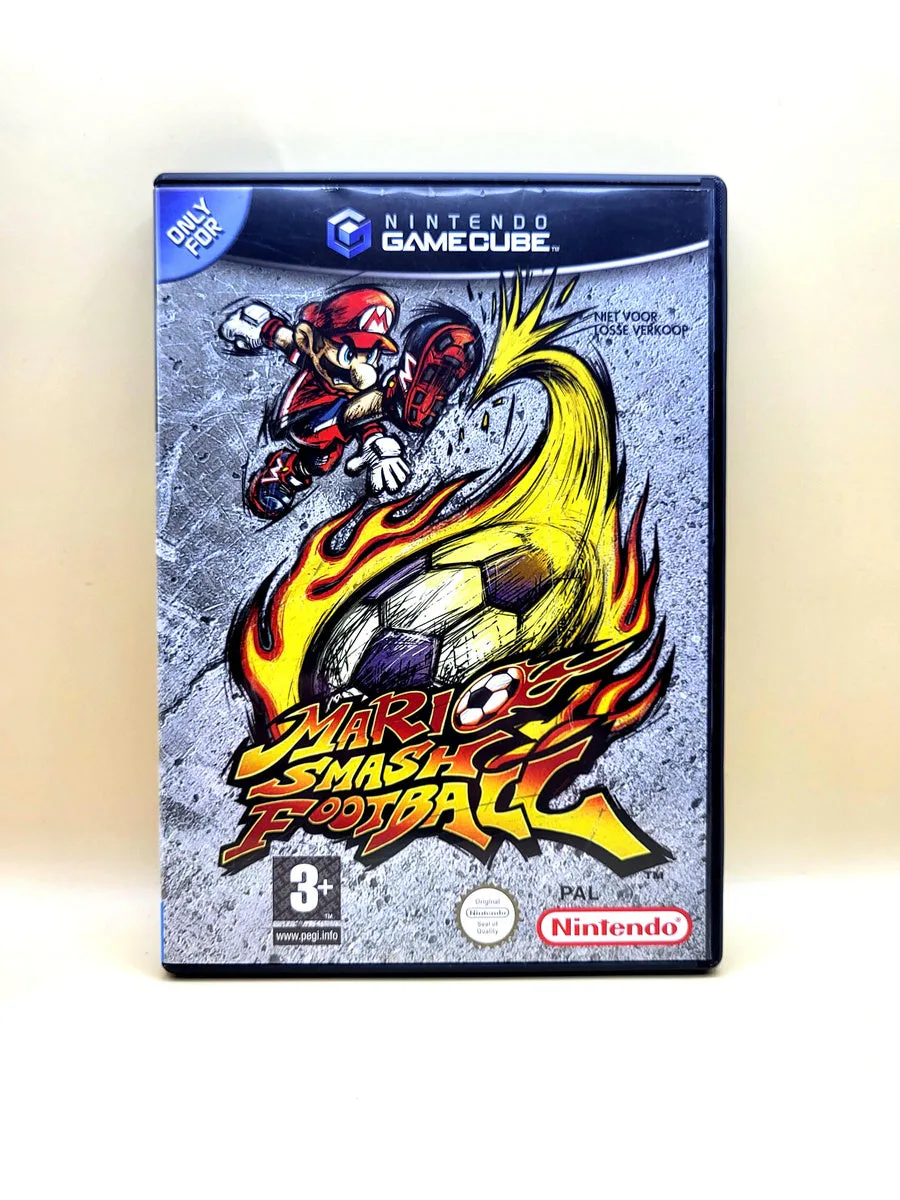
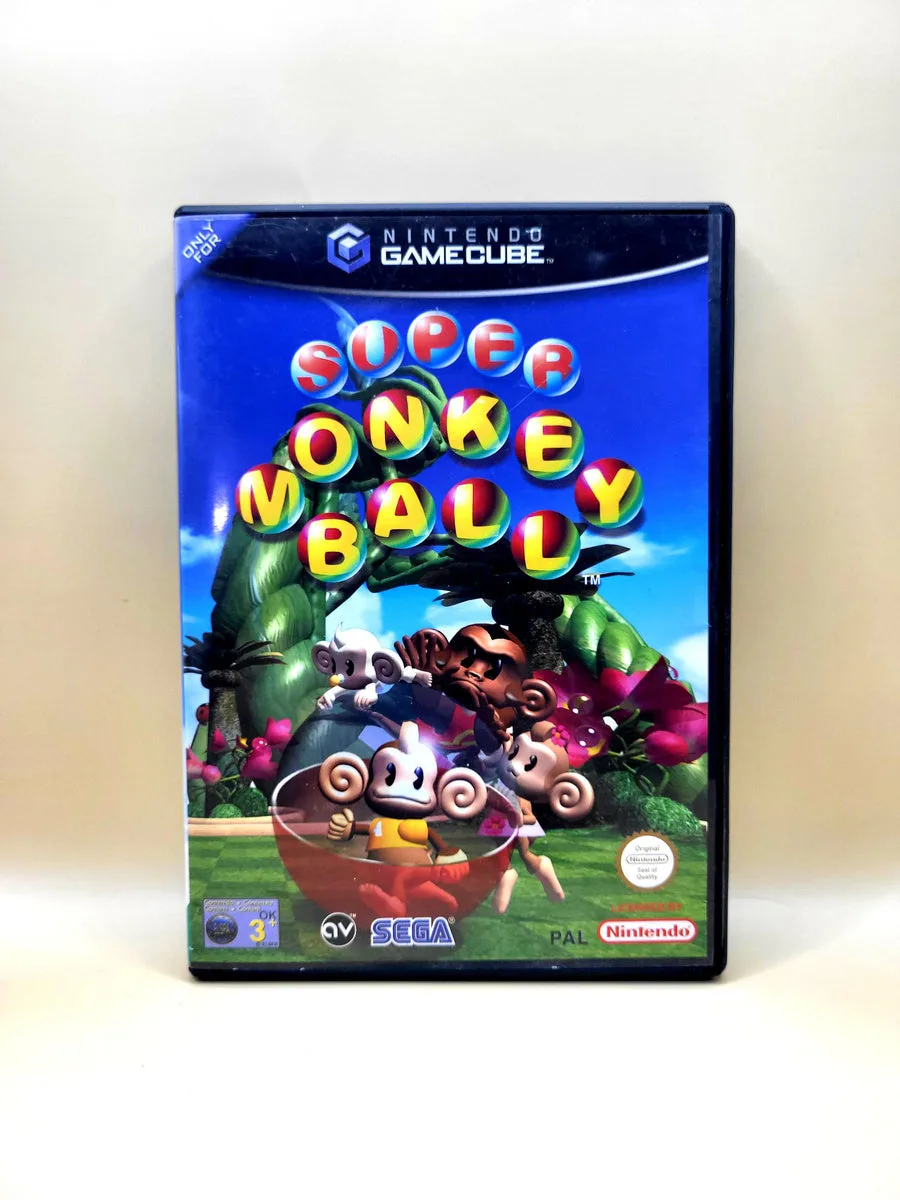
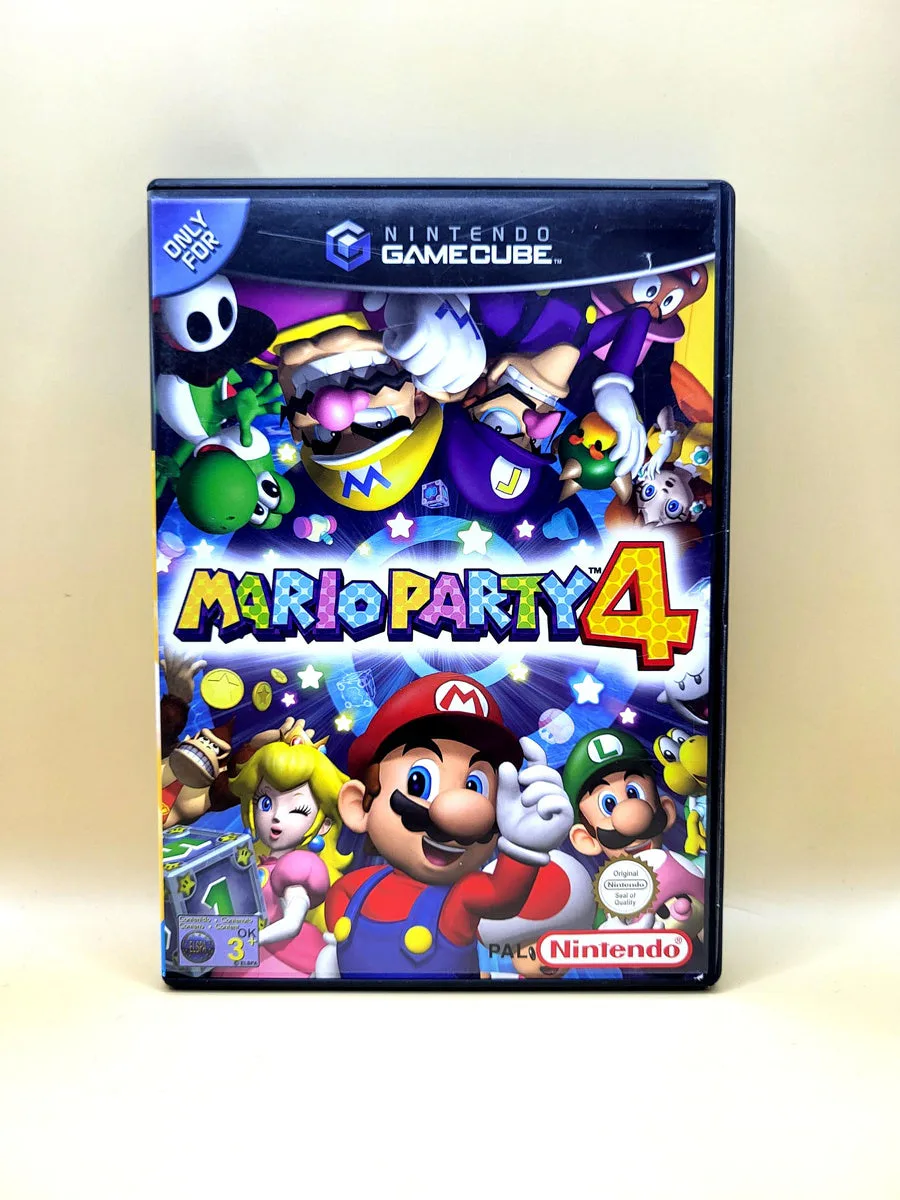
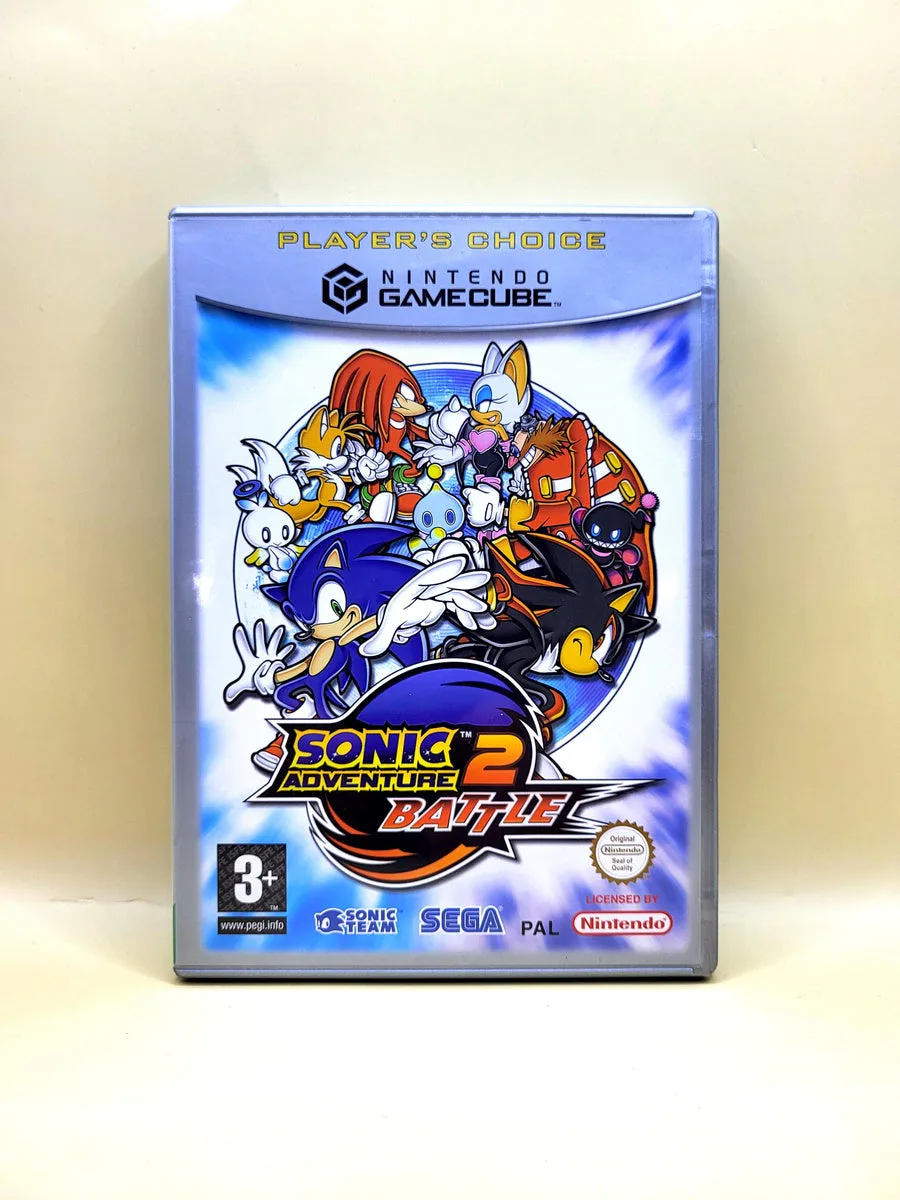
This product is like new. At NexWave Games, like new means:
Additionally, all discs at NexWave Games are carefully inspected and assessed for quality. When discs arrive, we do not accept any that are so badly damaged that they are unlikely to work. We only accept discs with light scratches at most. Discs with scratches are then treated in our professional disc repair machine. By warming the disc and polishing it with soft brushes, these machines can remove a very thin layer from the disc. This removes the layer containing surface scratches and improves the disc’s readability. This ensures the disc works properly, even on consoles with ageing lasers that have difficulty reading games! Great news for the player.
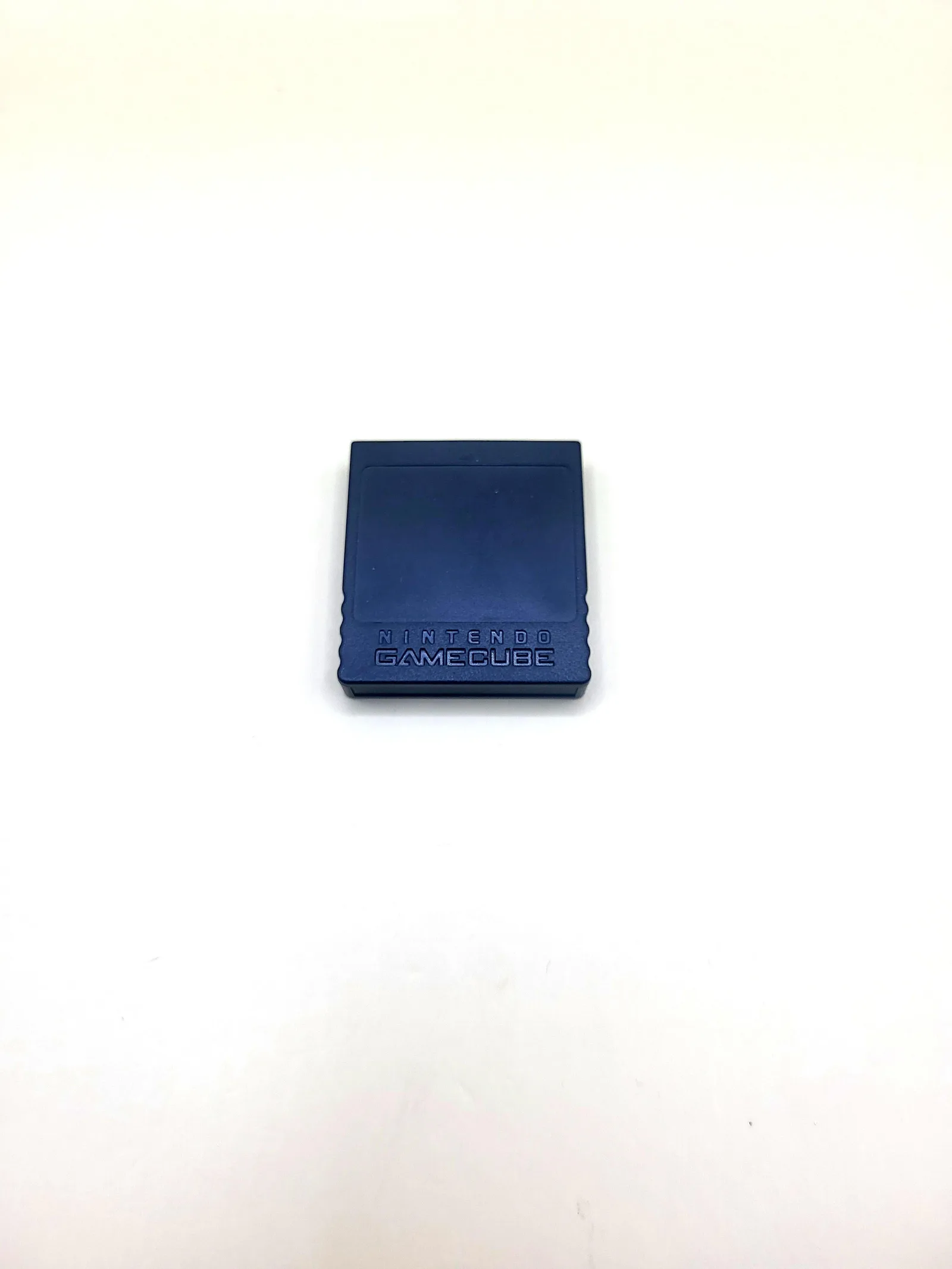
Nintendo GameCube Memory Card 251
The Nintendo GameCube Memory Card 251 stores progress, settings and other supported data on a separate card. Insert it into a GameCube memory card slot, not a controller port. The number 251 refers to the available storage blocks. One block is not a complete game: each save requires its own amount of space. A game's packaging or manual states how many free blocks are needed to save.
The system menu lets you view existing files and free up space. Moving or copying is possible only when the software allows it. Do not remove the card or turn off the console while saving. The card also works with GameCube disc games on a Wii RVL-001 with GameCube memory card slots. Other Wii models lack that connector. Ordinary Wii saves are not stored on this card; those use a different storage system.
The black card is not an SD card and does not fit directly into a Wii U or Nintendo Switch. No games or old save files are guaranteed. Console, controller and games are included only when the listing says so. The five examples below are original GameCube games whose progress can be saved on a compatible memory card. Check each title's space requirements, especially when several players keep their own files.
History
The GameCube launched in Japan and North America in 2001, followed by Europe in 2002. Nintendo moved to small optical discs for its new home console. Saving progress therefore gained a clear place on separate memory cards. The front of the console had two card slots alongside four controller ports. Players could keep their data on their own card, separately from the disc containing the program.
The larger Memory Card 251 joined the smaller Memory Card 59. Nintendo expressed capacity in blocks, a unit also shown on game packaging and in the memory menu. That explained why a race replay, profile or adventure save did not always occupy the same amount of space. The larger card offered more room for multiple games without changing the games themselves. The difference was how much data could be kept together.
The original Wii retained support for GameCube discs and their memory cards. Players could keep using an existing card on a Wii with the right ports. Later Wii models removed those connectors. The card also illustrates the transition between two console generations: the same physical progress could come along, but only when the new hardware supported the old format. Wii games themselves used their own storage rather than this GameCube card.
Five Nintendo GameCube Games
Super Mario Sunshine has Mario jumping, climbing and spraying water around Delfino Plaza and the surrounding locations. The F.L.U.D.D. water device helps you hover briefly over gaps or hit targets. The main stick controls movement, while the shoulder buttons affect spraying. It is a single-player adventure in which precise landings and discovering routes matter.
Mario Kart: Double Dash!! puts two characters on one kart: one drives while the other uses items. Choose a pair and switch roles during the race. Two players can also cooperate on the same kart. Local races with four simultaneous players require four connected controllers. The main stick and shoulder buttons keep steering, drifting and item use close together.
Super Smash Bros. Melee brings Nintendo characters together on lively battle stages. Build up damage on opponents, then try to knock them out of the arena. The stick determines direction and movement; button combinations produce different attacks, and the C stick offers quick attacks. Up to four players can fight locally at once, each with a controller. You can also practise and unlock characters alone.
The Legend of Zelda: The Wind Waker follows Link across the sea and through dungeons filled with switches, enemies and puzzles. Sail between islands and use discovered items to reach new places. Its illustrated style gives the world a distinctive look, but beneath it lies a substantial adventure. Use the controller to move Link, aim items and lock onto enemies. This is the original GameCube version.
Metroid Prime lets you explore Tallon IV through Samus Aran's visor. Scanning reveals information about creatures and installations; new abilities open previously blocked routes. Combat includes locking onto targets. The original GameCube controls differ from Wii's pointer controls and later reissues. You switch between walking, aiming, weapons and visors using a distinct button layout. The emphasis is on independent exploration.