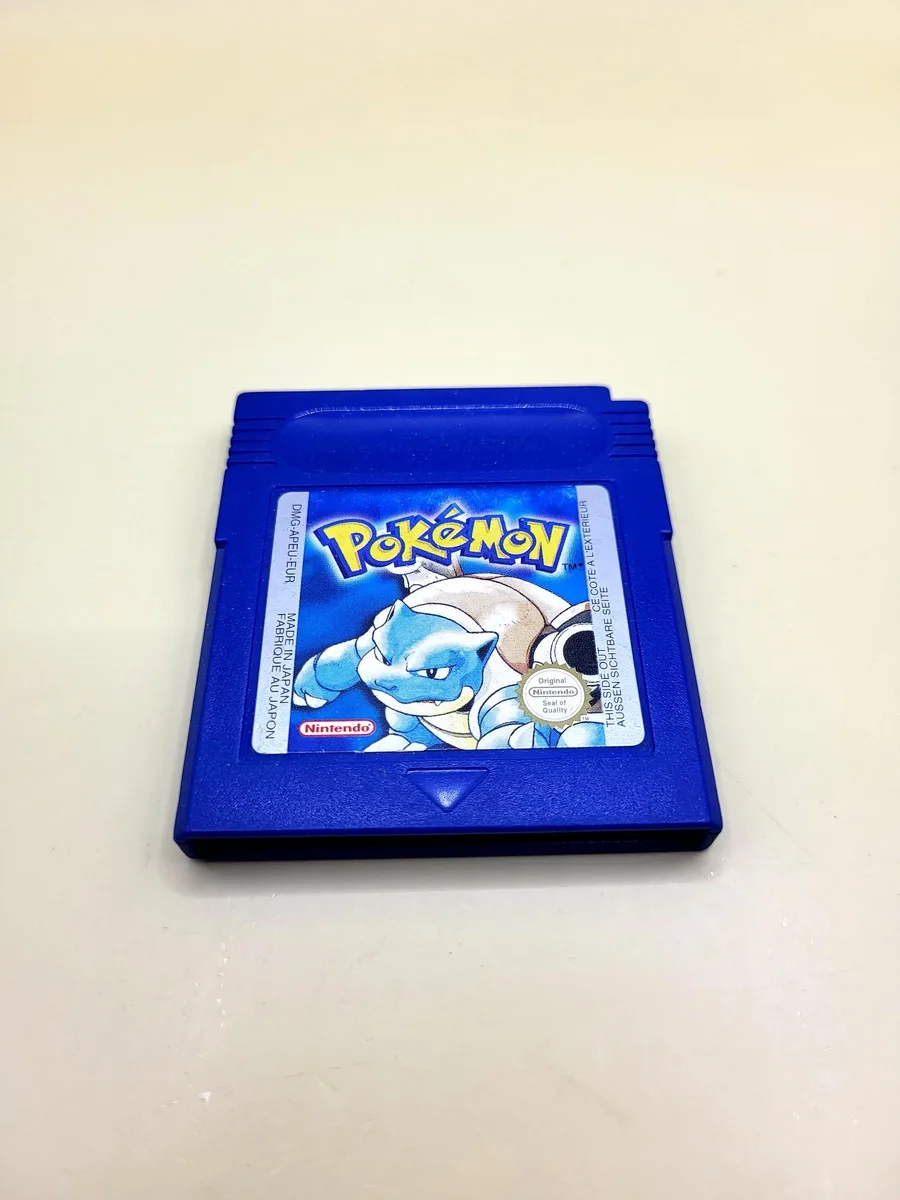
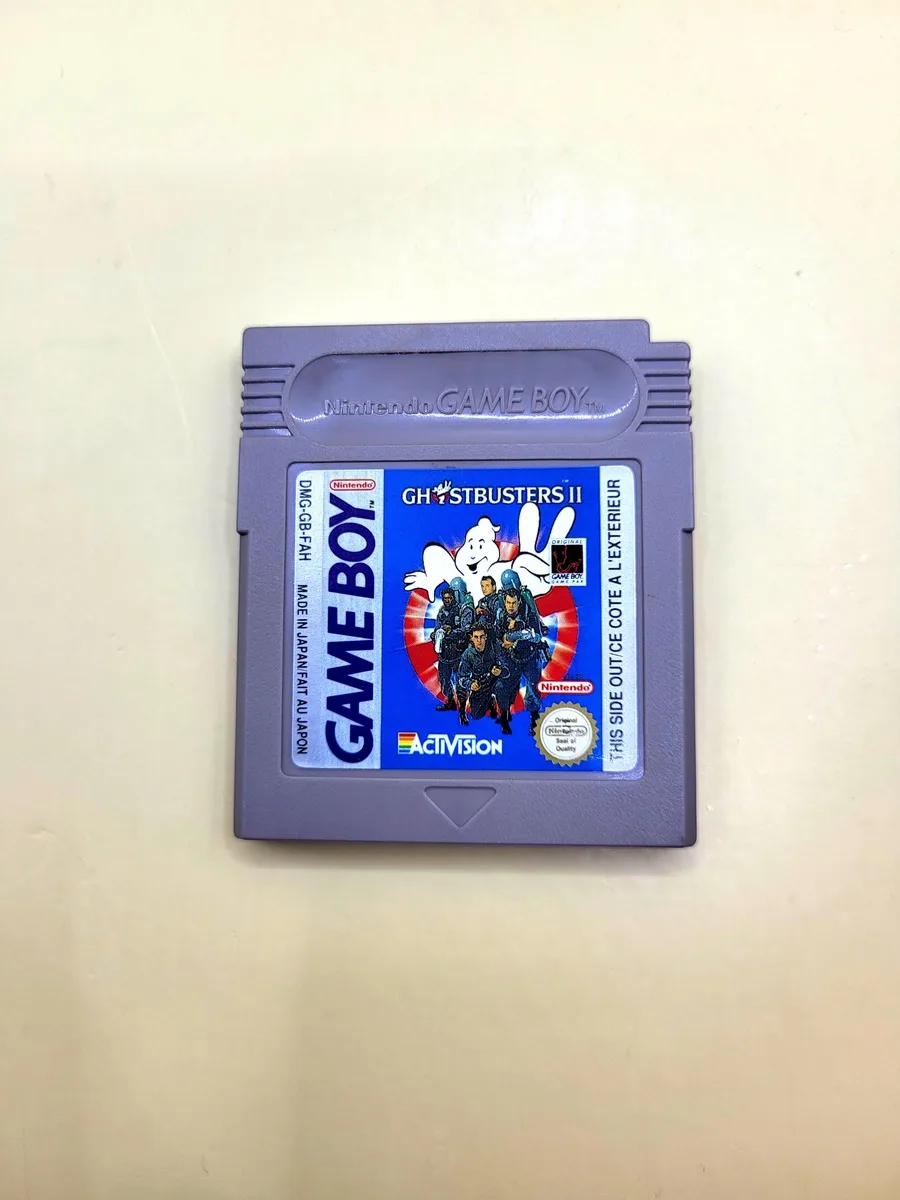
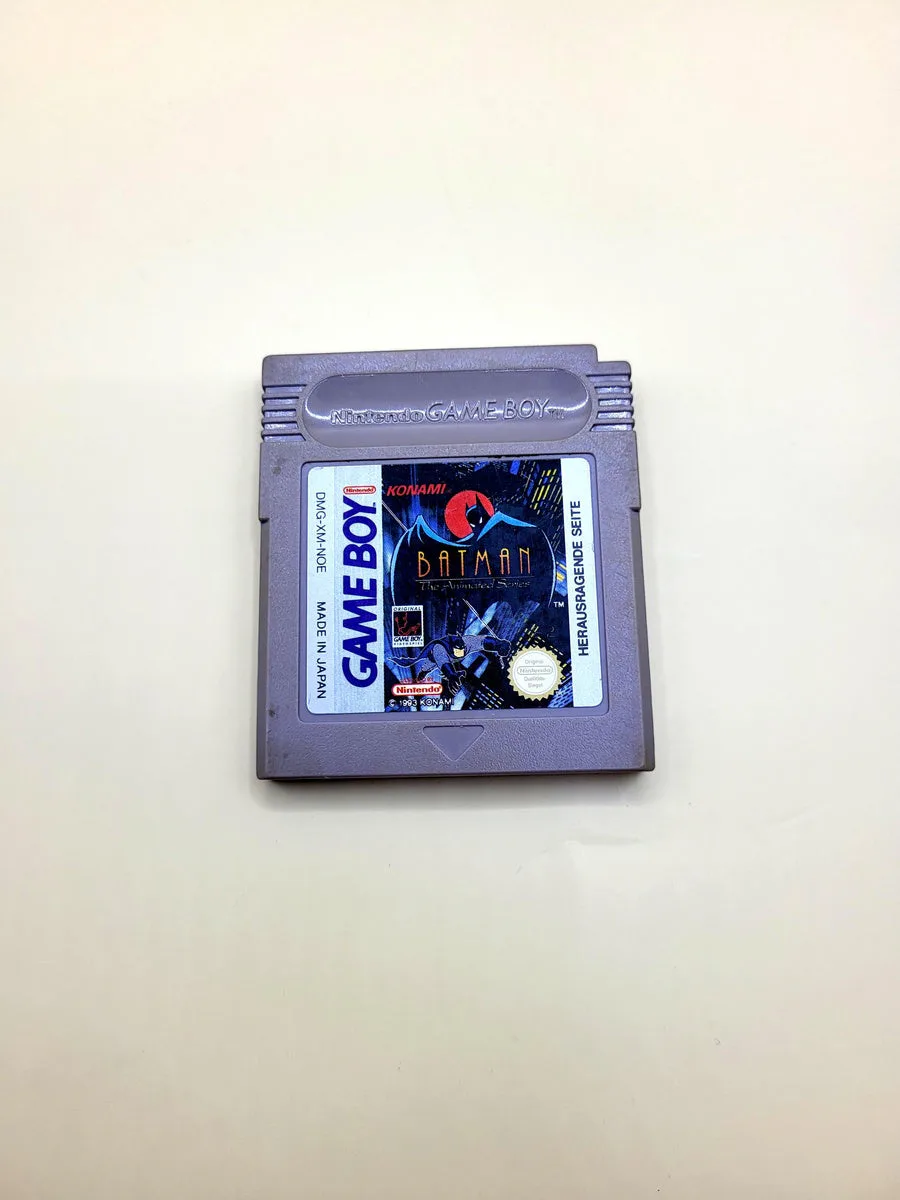
This product is like new. At NexWave Games, like new means:
Additionally, all discs at NexWave Games are carefully inspected and assessed for quality. When discs arrive, we do not accept any that are so badly damaged that they are unlikely to work. We only accept discs with light scratches at most. Discs with scratches are then treated in our professional disc repair machine. By warming the disc and polishing it with soft brushes, these machines can remove a very thin layer from the disc. This removes the layer containing surface scratches and improves the disc’s readability. This ensures the disc works properly, even on consoles with ageing lasers that have difficulty reading games! Great news for the player.
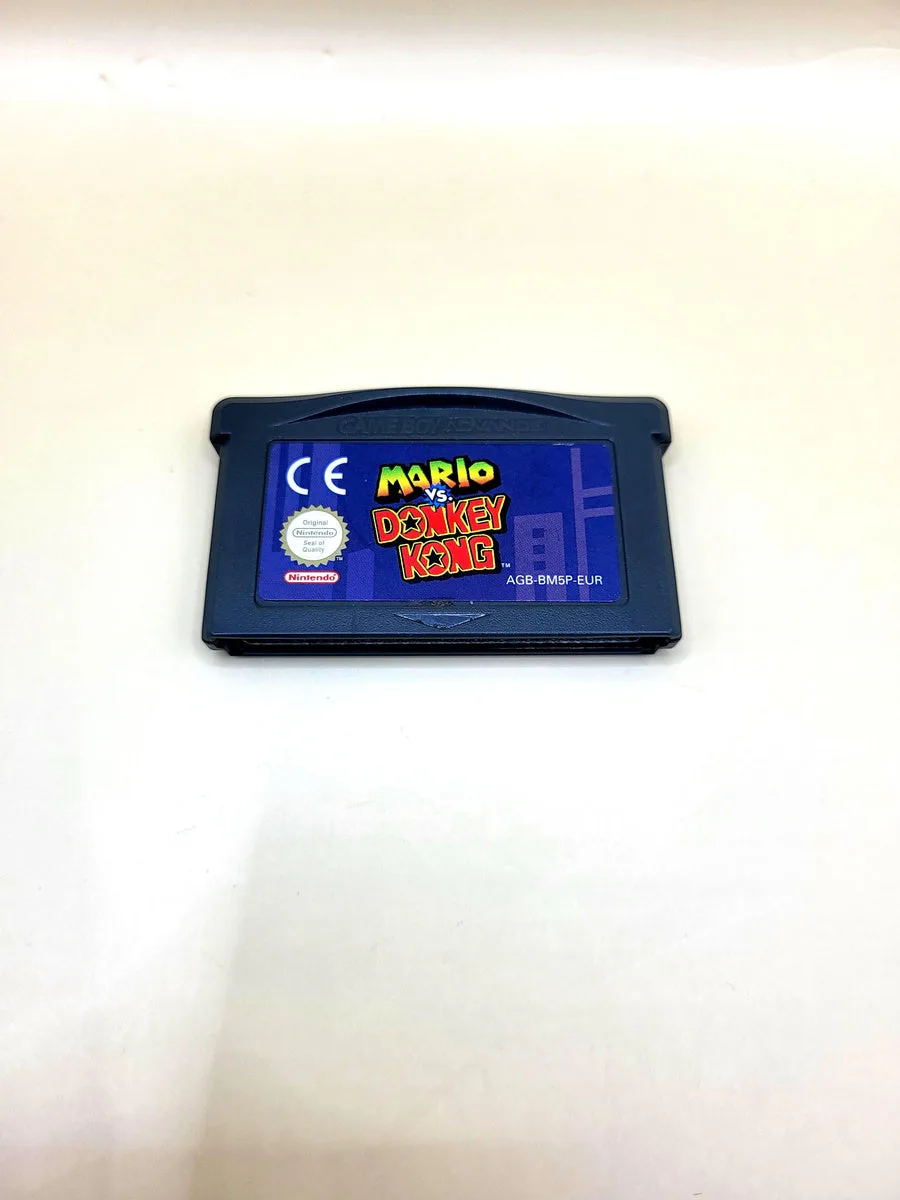
Mario vs. Donkey Kong for Game Boy Advance
Mario vs. Donkey Kong for Game Boy Advance is a puzzle platformer in which you recover stolen Mini-Mario toys. Donkey Kong has taken the stock from Mario’s toy factory. You follow him through six main worlds with small, carefully arranged playing areas. A normal stage has two parts: first you carry a key to the locked door, then you find the Mini-Mario toy. Along the way, you collect presents and try to waste as little time as possible. Seeing an exit does not mean you can jump straight to it.
Mario can walk on his hands, make a high jump from that position and spin around wires to reach greater heights. You lift objects and some enemies to clear a passage or build a new step. Switches change which coloured platforms and obstacles are active. This means you must not only jump well but also decide in what order to use the terrain. The time limit makes a planned route more important than endless trial and error.
After the regular stages, you guide groups of Mini-Marios and face Donkey Kong. You play this original GBA adventure strictly alone; the two-player co-operative feature of the Nintendo Switch remake is not included here. Your progress is saved on the cartridge in three separate files. You can revisit earlier levels to collect missed presents or achieve a higher score.
Region and language
Our Game Boy Advance games are European editions, unless stated otherwise. This product contains a loose cartridge for the European market. A box is only included if explicitly stated in the product details. We note any different region in the product details. In almost all cases, the game is playable at least in English, and often in the other five common European languages too.
Manual
With Mario vs. Donkey Kong for Game Boy Advance, you receive a loose cartridge. A box and manual are not included unless we explicitly state otherwise in the product details. This is the standard way we supply this copy.
The history of Mario vs. Donkey Kong
Nintendo released Mario vs. Donkey Kong for Game Boy Advance in 2004; the European release followed on 19 November. Nintendo Software Technology developed the game. The old conflict between Mario and Donkey Kong gained a new focus: small wind-up Mario toys. The story therefore concerned a factory and stolen toys rather than a kidnapped princess. The two rivals remained familiar, while the stages made more room for carrying keys, operating switches and performing acrobatic movements.
The compact playing areas divide the adventure into manageable puzzles. Each regular stage first has a key route and then a rescue route. This brings the same basic controls back under different circumstances. A handstand can prepare a higher jump but also block certain falling objects with Mario’s feet. The Mini-Mario stages then change your responsibility: you must also ensure the toys continue safely. Boss battles give each world its own conclusion.
The game laid the foundations for a series in which the little toy figures took on an increasingly important role. This first cartridge still has you control Mario directly with buttons and a directional pad. That differs from later instalments in which you mainly create routes for the Minis. A new Nintendo Switch remake appeared in 2024 with additions including two-player co-operation and new worlds. The GBA release retains the original solo design and short stages from 2004.
Similar games for Game Boy Advance
Super Mario Advance on Game Boy Advance also combines jumping with lifting and throwing objects and enemies. You travel through the longer levels of Super Mario Bros. 2 and choose between four heroes. Mario vs. Donkey Kong uses small puzzle rooms and one fixed Mario. The question is more often which switch to press first than how to survive a long obstacle course.
Wario Land 4 on Game Boy Advance also has you read the surroundings before finding the fastest route. Wario searches for treasure and changes form to pass obstacles; a switch starts a timed escape. Mario vs. Donkey Kong uses keys, toys and a clock within shorter stages. Both mix thinking with platform action, but build their time pressure in different ways.
DK: King of Swing gives Donkey Kong the leading role on Game Boy Advance. You grip pegs with his hands and swing between handholds through the surroundings. Mario vs. Donkey Kong uses the ape as an opponent and has Mario walk, jump and carry objects. Both revolve around precisely planned movements, but King of Swing builds its routes around gripping rather than carrying keys.
Kirby: Nightmare in Dream Land on Game Boy Advance also offers colourful platform levels with enemies that can be more than obstacles. Kirby copies their powers to change his attack. Mario tends to use lifted enemies as tools within a puzzle. Kirby’s routes focus more on continuous action and different abilities; Mario vs. Donkey Kong more often asks you to survey the whole small playing area first.
Super Mario Advance 4: Super Mario Bros. 3 on Game Boy Advance also calls for precise jumping and spotting hidden routes. Power-ups such as the raccoon outfit change what Mario can do in larger levels. Mario vs. Donkey Kong gives you his acrobatic movements as a fixed set of tools and puts most of the variety into the puzzle layouts. Carrying a key safely matters more there than building a stock of power-ups.