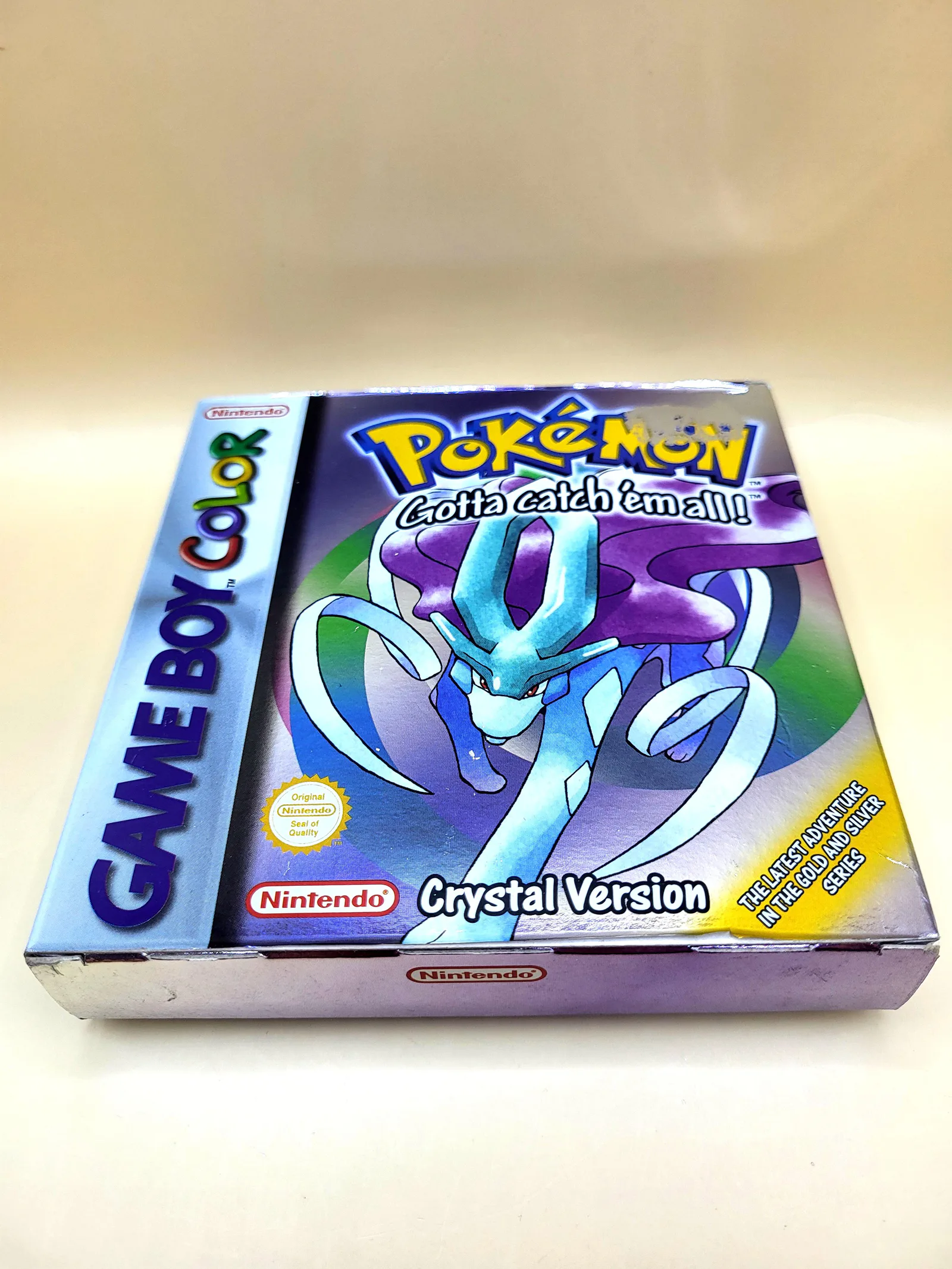
This product is like new. At NexWave Games, like new means:
Additionally, all discs at NexWave Games are carefully inspected and assessed for quality. When discs arrive, we do not accept any that are so badly damaged that they are unlikely to work. We only accept discs with light scratches at most. Discs with scratches are then treated in our professional disc repair machine. By warming the disc and polishing it with soft brushes, these machines can remove a very thin layer from the disc. This removes the layer containing surface scratches and improves the disc’s readability. This ensures the disc works properly, even on consoles with ageing lasers that have difficulty reading games! Great news for the player.
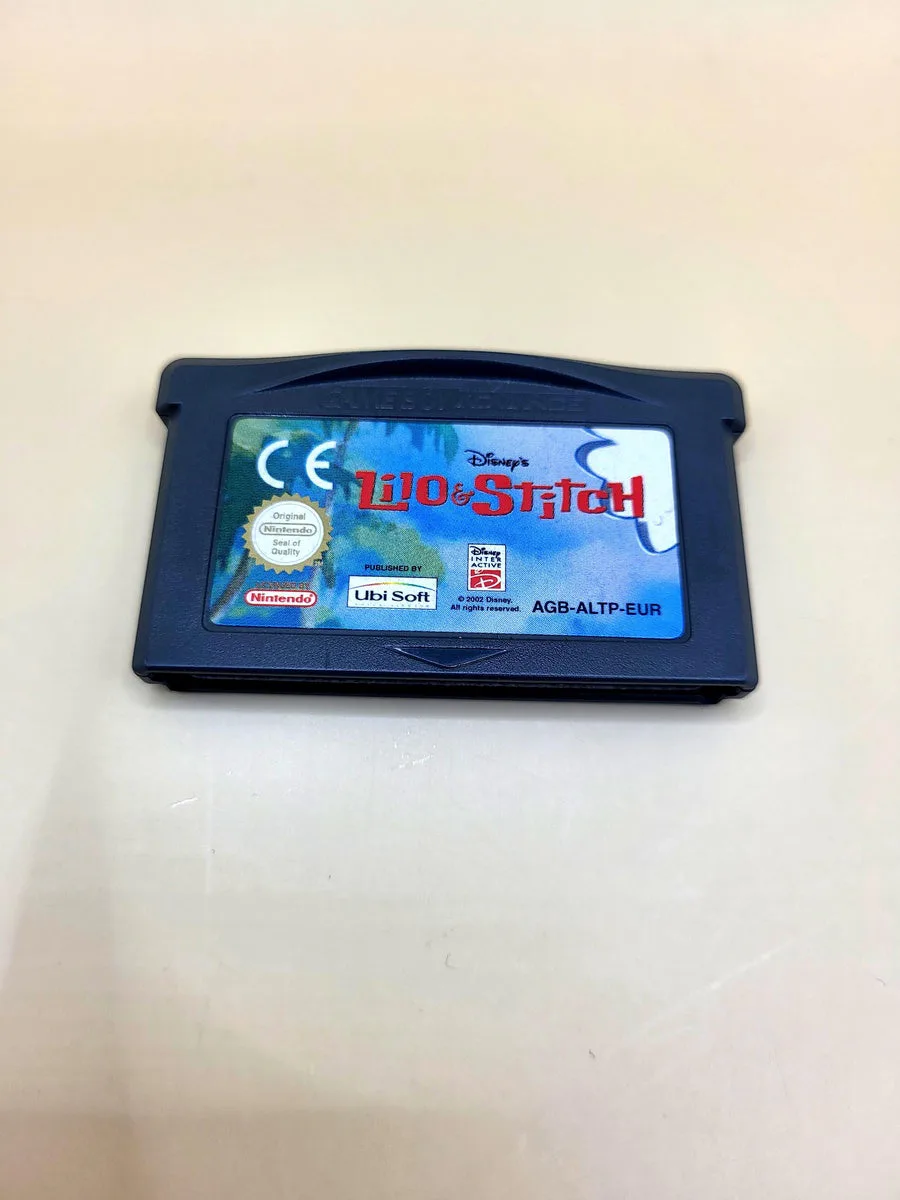
Lilo & Stitch for Game Boy Advance
Lilo & Stitch for Game Boy Advance combines a side-scrolling shooting platformer with stealth and space flights. Aliens abduct Lilo during a day at the beach. Stitch follows to rescue her from Dr. Pestus. With his plasma blasters he shoots opponents out of the way while jumping over gaps and crawling beneath hazards. Pineapple grenades provide an additional attack. The action takes place in an original story following the events of the original Disney film.
Lilo's sections call for a different approach. She can hide, carefully pass sleeping guards and operate switches to progress. Where Stitch uses his weapons, Lilo first has to work out how to pass a guarded passage. In between, you also steer Stitch through space battles. This variety creates the difference between reaching the next platform, working out a safe route and moving out of the line of fire in time.
You play this adventure alone and no link cable is needed. You resume later using picture passwords, which the game provides after completing a level and in the pause menu, among other places. Write down the sequence of symbols before stopping. That sequence lets you resume the rescue from the corresponding level.
Region and language
Our Game Boy Advance games are European editions, unless stated otherwise. This product contains a loose cartridge for the European market. A box is only included if explicitly stated in the product details. We note any different region in the product details. In almost all cases, the game is playable at least in English, and often in the other five common European languages too.
Manual
With Lilo & Stitch for Game Boy Advance, you receive a loose cartridge. A box and manual are not included unless we explicitly state otherwise in the product details. This is the standard way we supply this copy.
The history of Lilo & Stitch
Disney's Lilo & Stitch appeared on Game Boy Advance in 2002, made by Digital Eclipse. Disney Interactive released it in North America; Ubisoft handled the original European edition. The game arrived in the animated film's year, but its makers built an original sequel story around the two leads. Lilo's abduction and Stitch's journey through space provided different situations from those that a literal repetition of the film's events would have offered.
Digital Eclipse producer Chris Charla described the team's approach in 2003. The developers loved Metal Slug and used its rapid aiming, shooting and movement as the starting point for Stitch. Such a shooting role did not fit Lilo, so her separate sections emphasised sneaking and solving the passage from screen to screen. Disney allowed new enemies and a story set after the film. That freedom explains the difference in pace between the two leads.
The project belongs to a period when Disney was expanding its range for the young Game Boy Advance. An announced line-up also included Peter Pan and Treasure Planet. Among those film games, Lilo & Stitch adopted an unusually strong action focus, with drawn animation and an original alien opponent. The cartridge is separate from the later Lilo & Stitch 2: Hämsterviel Havoc and the three-dimensional home-console games. Here, the journey revolves around alternating Stitch's firepower with Lilo's caution.
Similar games for Game Boy Advance
Earthworm Jim 2 on Game Boy Advance also combines side-scrolling platforming, firearms and exaggerated drawn action. Jim receives strange individual tasks that interrupt the normal shooting route. Lilo & Stitch distributes this variety mainly between different leads: Stitch fires, while Lilo sneaks and examines passages. Both use a changing pace, but the separation between an armed character and a cautious escape is a much more explicit part of this adventure.
Rayman Advance on Game Boy Advance likewise offers drawn platforming worlds where you must judge a jump and an enemy attack together. Rayman uses his fist and collects powers on his way to Mr. Dark. Stitch has shooting weapons immediately, while Lilo receives her own stealth sections. The similarity lies in the side view and precise movement; the difference mainly concerns the amount of shooting and switching between two separate play styles.
Kirby: Nightmare in Dream Land shares the colourful cartoon style and combination of platforming obstacles and enemies on Game Boy Advance. Kirby inhales opponents and copies their abilities. In Lilo & Stitch, the possibilities instead depend on whom you control: Stitch uses blasters and grenades, Lilo sneaks and operates switches. Kirby therefore often changes powers within the same route, while this Disney game builds whole sections around a different approach.
Shrek 2: Beg for Mercy! on Game Boy Advance also alternates between film characters with different abilities. Puss in Boots uses a sword and acrobatic movements, alongside sections with Shrek and Donkey. Lilo & Stitch places firearms alongside stealth, with space flights providing another interruption. Both create an original handheld adventure from an animated-film world, but fairy-tale sword fighting requires different distances and timing from Stitch's projectiles and Lilo's hidden routes.
Super Mario Advance on Game Boy Advance offers another example of characters tackling similar platforming obstacles differently. Mario, Luigi, Peach and Toad have different jumps and can pick up enemies. In Lilo & Stitch, more than movement changes: one hero fights gun battles, the other sneaks through guarded rooms. Both require attention to the route, but here the differences between the selected characters also explicitly determine the kind of action you perform.