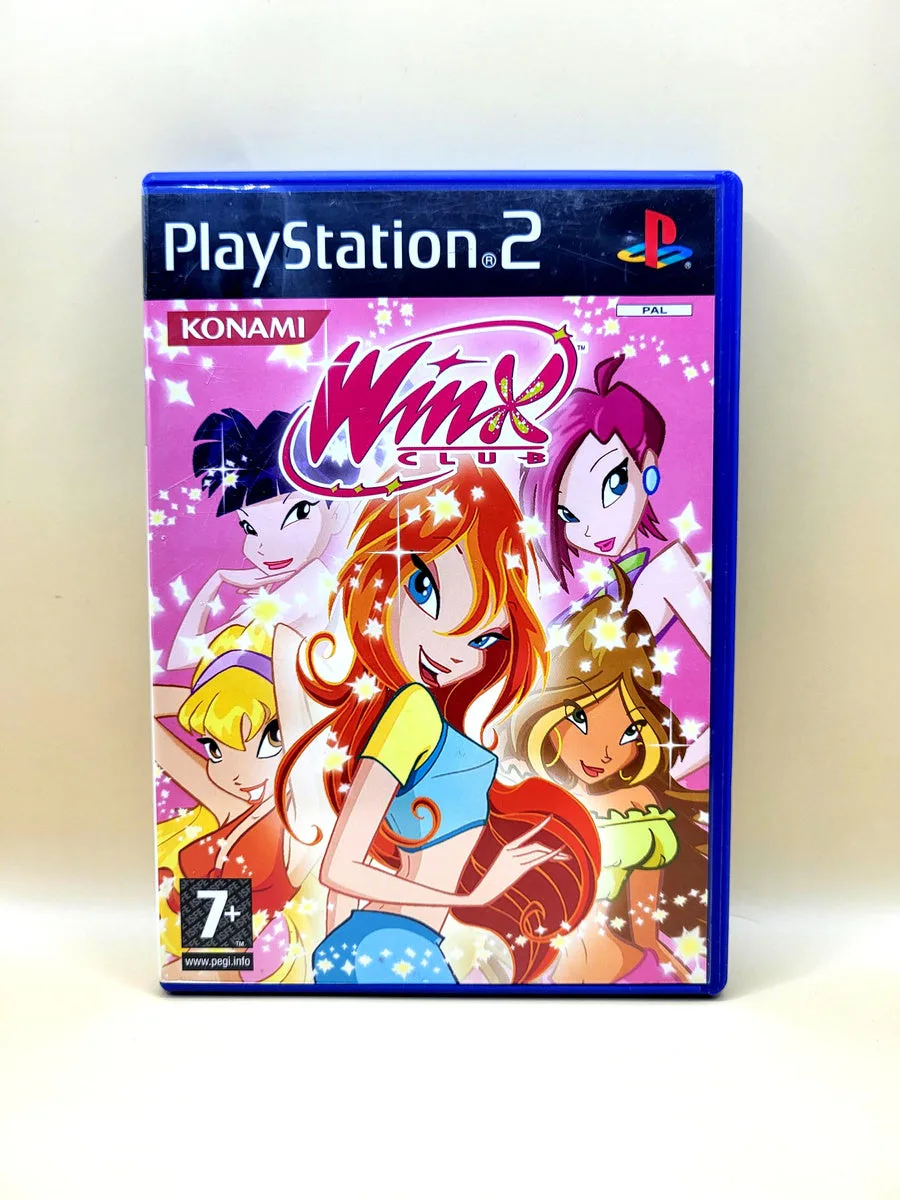
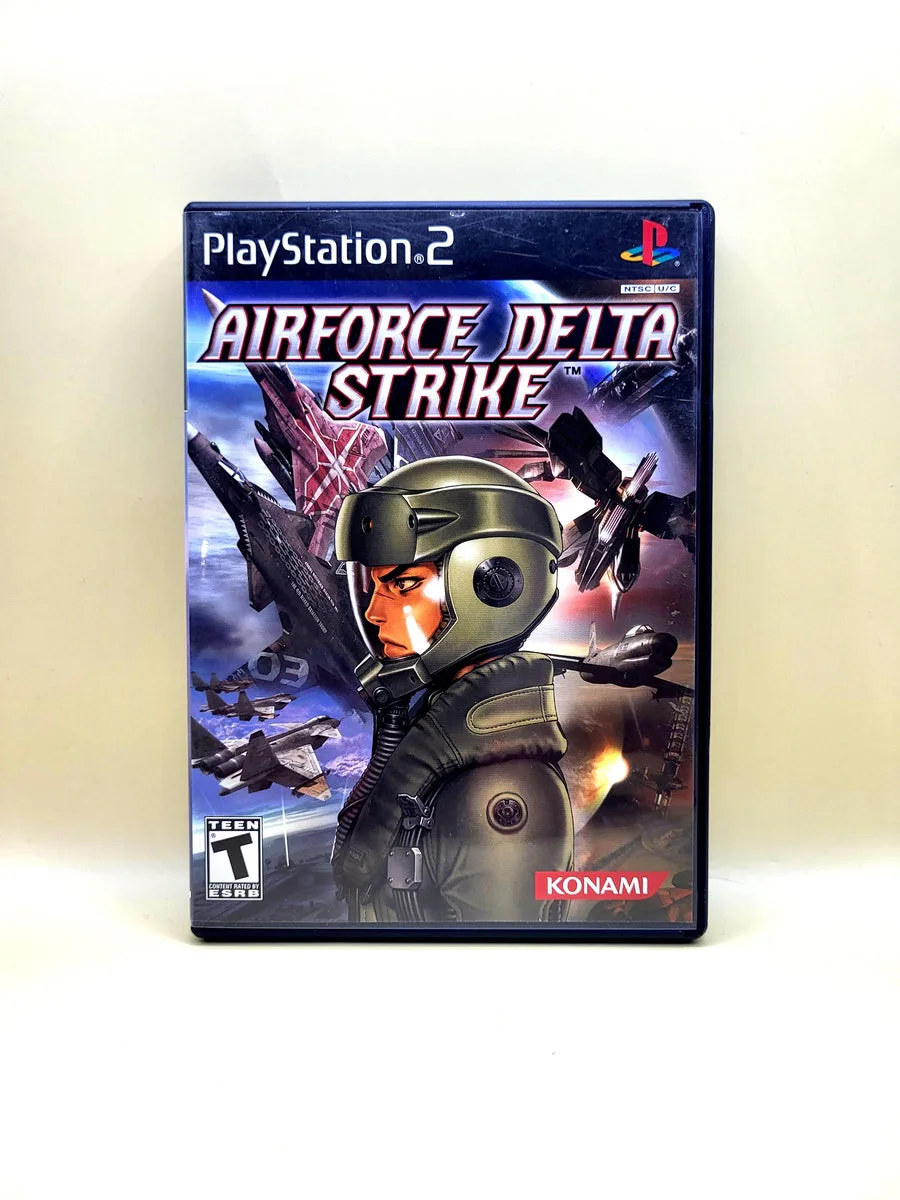
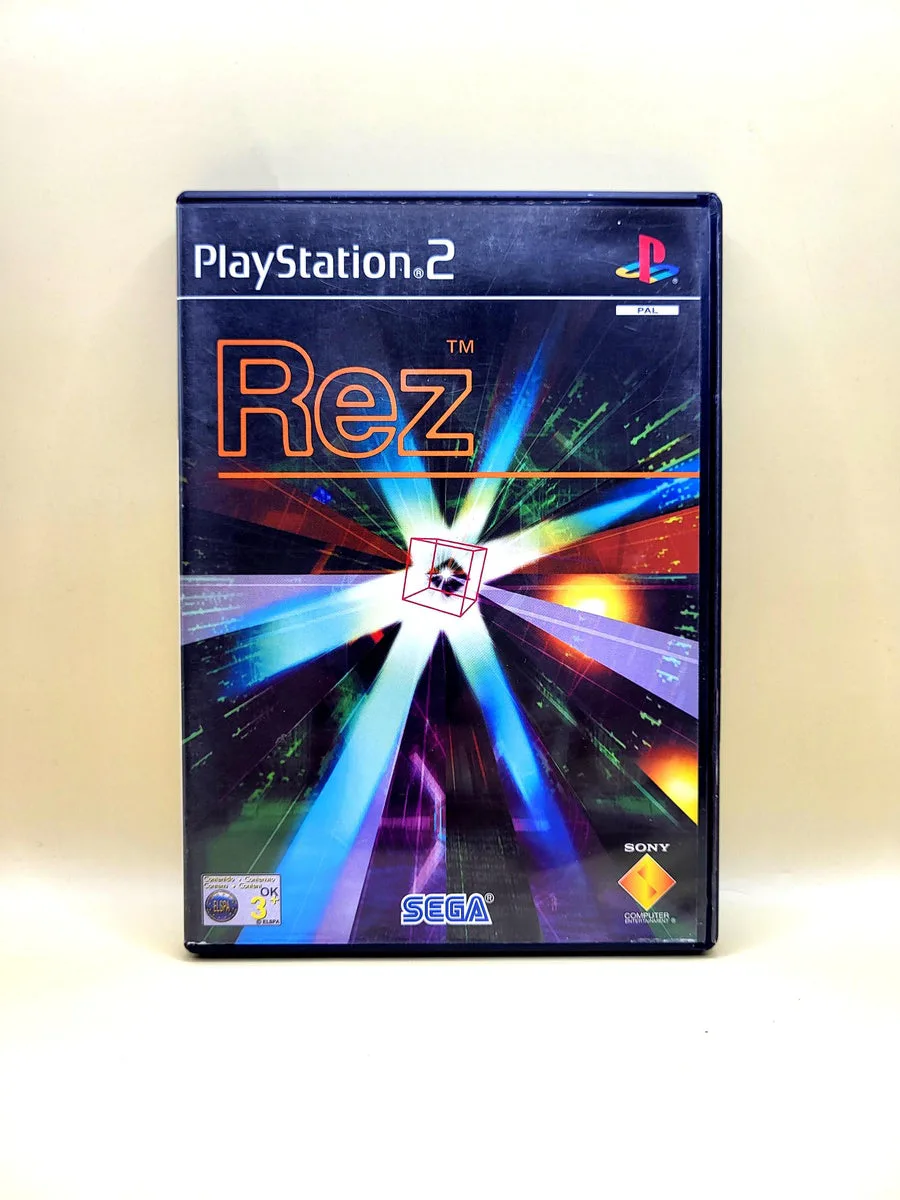
This product is like new. At NexWave Games, like new means:
Additionally, all discs at NexWave Games are carefully inspected and assessed for quality. When discs arrive, we do not accept any that are so badly damaged that they are unlikely to work. We only accept discs with light scratches at most. Discs with scratches are then treated in our professional disc repair machine. By warming the disc and polishing it with soft brushes, these machines can remove a very thin layer from the disc. This removes the layer containing surface scratches and improves the disc’s readability. This ensures the disc works properly, even on consoles with ageing lasers that have difficulty reading games! Great news for the player.
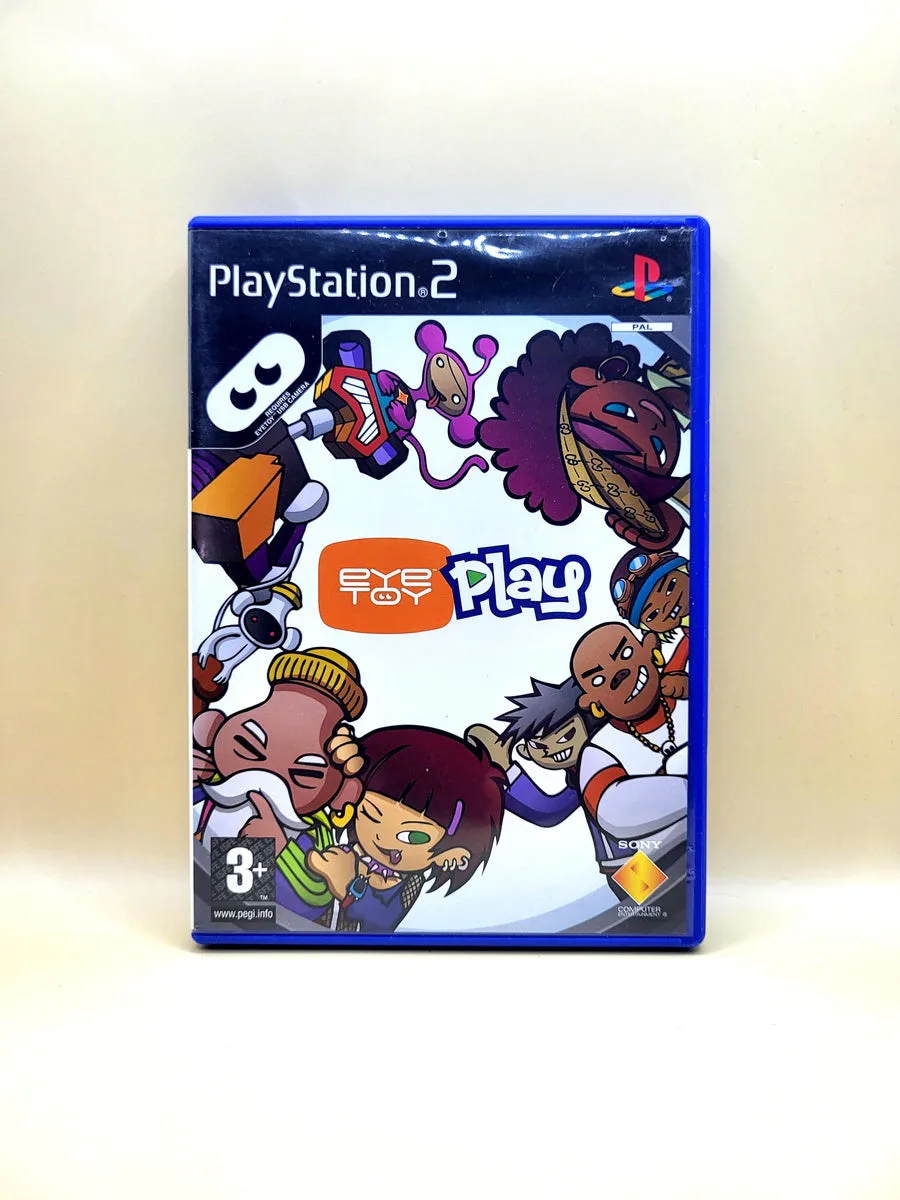
EyeToy: Play for PlayStation 2
EyeToy: Play for PlayStation 2 uses the EyeToy USB camera as its controller. You see yourself on screen and touch virtual objects with your hands, arms or head. The disc contains twelve short games: repel attackers in Kung Foo, clean windows in Wishi Washi and hit speakers to the beat in Beat Freak. Other challenges involve heading balls, avoiding ghosts, deflecting rockets or keeping a plate spinning. A regular controller mainly handles menus; gameplay requires the camera.
Each challenge offers several difficulty levels and score records. The camera takes a profile photo and can link the best score to a face. In the multiplayer league, up to four participants complete the same activities one after another, leaving enough movement space in front of one television. Alternating turns mean no Multitap is needed. PlayRoom also includes simple visual effects that show how the camera responds to movement and light.
Place the camera above or below the television, aim it at the play area and keep your entire upper body visible. Even lighting and a plain background improve motion detection; bright light behind the player can disrupt the image. EyeToy: Play is offered as a game disc, not as a guarantee that a separate camera is included. The twelve games cannot be used without a compatible EyeToy USB camera for PlayStation 2.
Region and language
Our PlayStation 2 games are PAL editions and come with a Dutch or English box, unless stated otherwise. By default, you receive the version for the European market. We note it in the product details if the region is different or the box is in another language. In almost all cases, the game is playable at least in English, and often in the other five common European languages too.
Manual
EyeToy: Play for PlayStation 2 includes the manual unless the product title states otherwise. If the booklet is missing, the title says “No Manual”. This lets you see before ordering whether the game comes with a manual.
The manuals included with our games usually contain at least English and often around six European languages. The exact languages vary by edition, so Dutch is not always included. The booklet explains the controls and the main rules. You can use it to check how to control the game, which actions are available and how its different features work.
The history of EyeToy: Play
Sony Computer Entertainment released EyeToy: Play in Europe on 4 July 2003. London Studio developed the collection as an introduction to EyeToy, a USB camera that analyses the player's image and converts movement into actions. The game was initially often sold with the camera. That historical bundle does not mean every second-hand copy today automatically includes the hardware.
The twelve games were deliberately short and direct. Instead of learning button combinations, players moved in front of the television and saw themselves among digital objects. This made the technology easy to understand and turned the living room into a play area. Profiles, photos and leaderboards connected the separate challenges, while the league compared several players in alternating turns.
EyeToy: Play began a series. EyeToy: Groove applied the camera controls to music, Play 2 added new games and camera experiments, and Play 3 allowed four people to move simultaneously in some activities. The first Play remains the simplest starting point: twelve separate challenges demonstrating the camera without character controls, a long campaign or an online service.
Similar games for PlayStation 2
EyeToy: Play 2 keeps camera control but replaces the original twelve games with activities such as baseball, table tennis, Goal Attack and DIY. SpyToy and EyeToy Cameo also broaden the technical experiments. The first Play is clearer and focuses on the original score challenges; Play 2 contains more bonus activities and a larger four-player tournament.
EyeToy: Play 3 contains more than fifty activities and lets several participants appear together in games such as volleyball. EyeToy: Play instead alternates league participants. Play 3 offers broader party rules and PlayRoom effects, while the first game's twelve clearly defined challenges provide a simpler camera introduction.
EyeToy: Groove builds almost the entire game around music: hit targets along the screen edge to the beat and move freely during dance sections. EyeToy: Play uses rhythm only in Beat Freak and alternates it with action, sports and reaction tests. Groove has a soundtrack and calorie counter; Play offers more kinds of movement.
Sega Superstars uses the EyeToy camera for minigames based on Sonic, Virtua Fighter, Samba de Amigo and other Sega series. EyeToy: Play has original characters and makes the camera itself the subject. Both demand physical movement before the television, but Sega varies through familiar worlds while Play uses one coherent visual style.
EyeToy: AntiGrav uses leaning, crouching and arm movements to guide a hoverboarder through continuous courses. EyeToy: Play consists of short, separate score games centred on your own video image. AntiGrav has routes, speed and tricks; Play is better structured for quick turns and variety within a group.