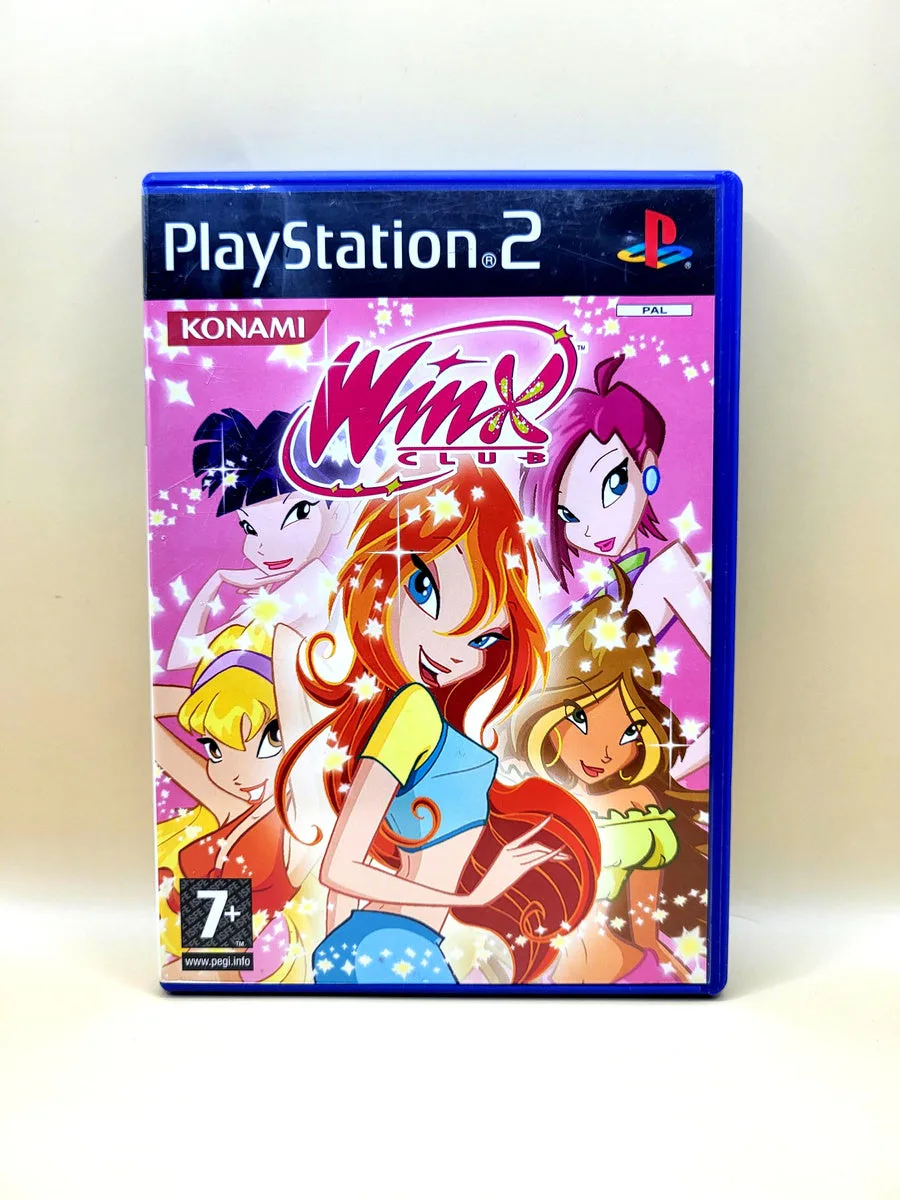
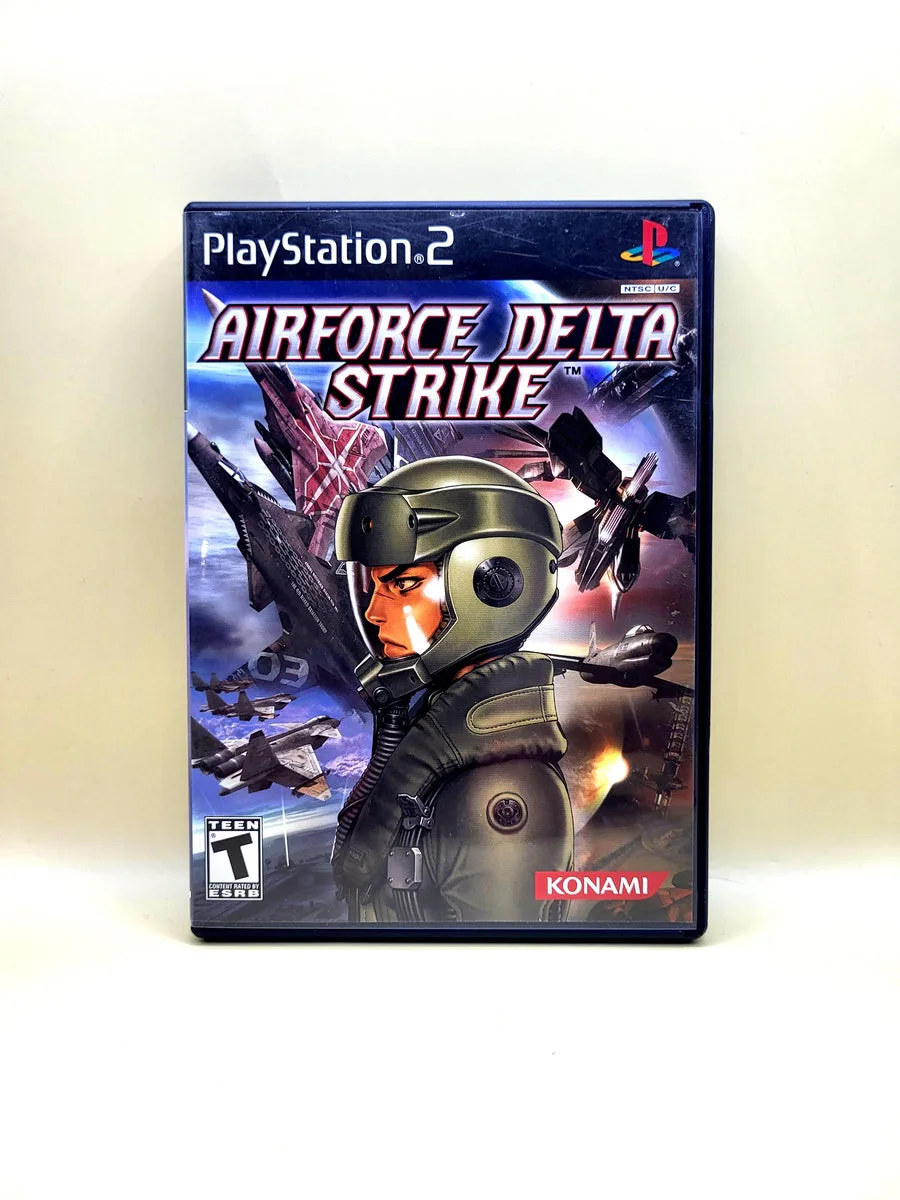
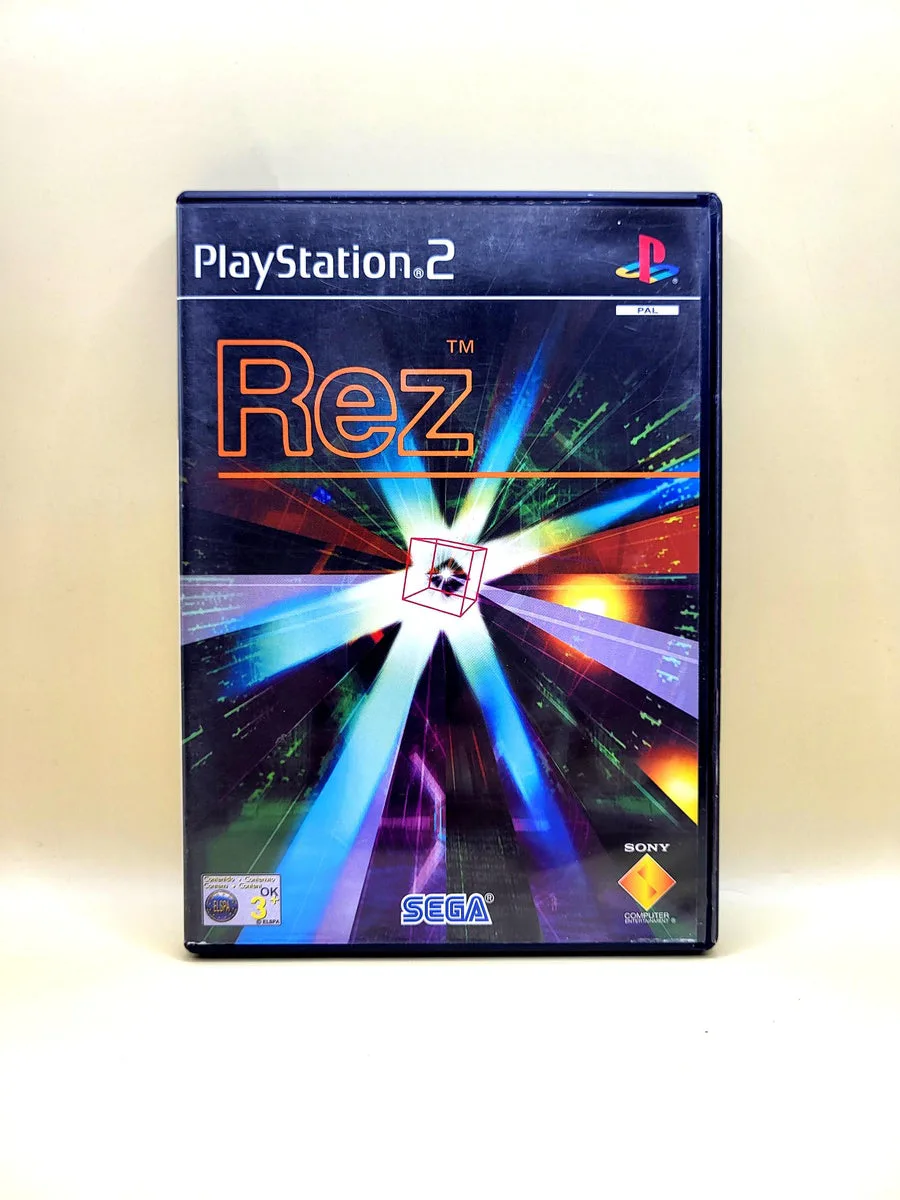
This product is like new. At NexWave Games, like new means:
Additionally, all discs at NexWave Games are carefully inspected and assessed for quality. When discs arrive, we do not accept any that are so badly damaged that they are unlikely to work. We only accept discs with light scratches at most. Discs with scratches are then treated in our professional disc repair machine. By warming the disc and polishing it with soft brushes, these machines can remove a very thin layer from the disc. This removes the layer containing surface scratches and improves the disc’s readability. This ensures the disc works properly, even on consoles with ageing lasers that have difficulty reading games! Great news for the player.
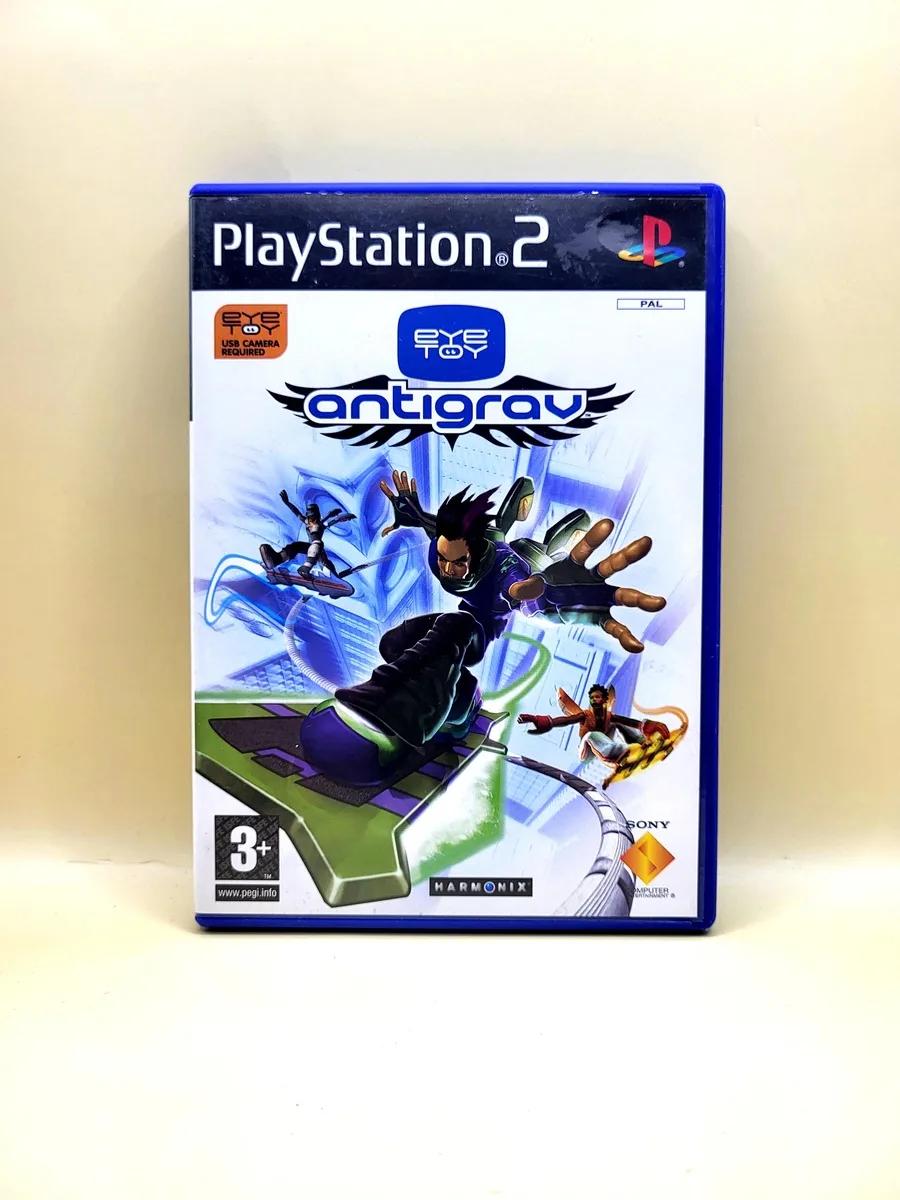
EyeToy: AntiGrav for PlayStation 2
EyeToy: AntiGrav for PlayStation 2 uses face and body recognition to control a futuristic hoverboarder. After a short calibration, lean left or right to steer, crouch to gain speed and move your arms to trigger jumps, tricks and interactions. You therefore control a fully three-dimensional character instead of seeing your own video image directly among flat game objects. A compatible EyeToy USB camera is required; a regular controller is mainly used for menus and settings.
Courses run through urban environments with obstacles, rails, gates and branches. Speed asks you to finish routes as quickly as possible using turns, boosts and shortcuts. Style places more emphasis on tricks and combinations. Several playable boarders have their own look and equipment, while unlockable sections and alternate routes encourage repeat runs. Recognition requires clear movements and responds differently from an analogue stick.
For reliable measurement, your head, arms and upper body must remain fully visible. Place the camera securely, use even lighting and avoid clothing or a background that obscures your outline. Keep enough free space to lean and stretch your arms. This product page describes the game disc and does not promise a separate EyeToy camera in the box. EyeToy: AntiGrav is a local PS2 game; its races, tricks and unlockables require no online service.
Region and language
Our PlayStation 2 games are PAL editions and come with a Dutch or English box, unless stated otherwise. By default, you receive the version for the European market. We note it in the product details if the region is different or the box is in another language. In almost all cases, the game is playable at least in English, and often in the other five common European languages too.
Manual
EyeToy: AntiGrav for PlayStation 2 includes the manual unless the product title states otherwise. If the booklet is missing, the title says “No Manual”. This lets you see before ordering whether the game comes with a manual.
The manuals included with our games usually contain at least English and often around six European languages. The exact languages vary by edition, so Dutch is not always included. The booklet explains the controls and the main rules. You can use it to check how to control the game, which actions are available and how its different features work.
The history of EyeToy: AntiGrav
Harmonix Music Systems developed EyeToy: AntiGrav and Sony Computer Entertainment published it for PlayStation 2 in 2004. Harmonix had previously made rhythm games such as Frequency and Amplitude, but here used the camera for a three-dimensional action sport. Sony presented AntiGrav as a step beyond short EyeToy minigames: body movement now guided a character through complete courses.
The technology combined face and body recognition with colour and motion analysis. Leaning, crouching and arm gestures became steering, speed and tricks. Physical control therefore remained familiar to EyeToy users, while routes, obstacles and alternate paths offered more continuity than separate score trials. The camera had to be aligned carefully for each player to limit unintended input.
AntiGrav appeared in the same period as EyeToy: Play 2 and showed that the accessory could also control a continuous game world. Later motion systems used other cameras or sensors and are not part of this PS2 version. The original disc preserves EyeToy's specific approach: moving visibly before a simple USB camera to guide a hoverboarder through speed events and trick courses. Choosing between Speed and Style made the same recognition useful for both a fast line through a course and an attempt packed with as many tricks as possible.
Similar games for PlayStation 2
EyeToy: Play shows the player in twelve short minigames and measures separate gestures for a score. AntiGrav translates movement to a separate 3D character travelling through complete courses. Play offers more kinds of quick group challenge; AntiGrav has connected routes, speed, hidden paths and tricks.
EyeToy: Play 2 combines twelve main games with many bonus variations and has participants move in turns during tournaments. AntiGrav focuses on one hoverboard concept and guides a character through a three-dimensional environment. The Play 2 disc contained a preview, but the full AntiGrav adds courses, boarders and unlockable routes.
SSX 3 uses a regular controller for snowboard races, tricks and exploration on a connected mountain. AntiGrav shares the focus on speed, rails and jumps, but replaces buttons and sticks with leaning and arm movements for the EyeToy camera. SSX 3 offers deeper technical control; AntiGrav revolves around physical translation.
Tony Hawk's Underground builds elaborate trick combos with buttons, manuals and grinds and links objectives through a story. AntiGrav also has rails, jumps and scores, but uses simpler body gestures and futuristic hoverboards. Its courses are designed around camera control and routes, not a free-form skateboarding career.
EyeToy: Kinetic analyses body movement for planned fitness exercises and recurring workouts. AntiGrav uses that physical input for an action game with speed, obstacles and tricks. Kinetic structures exertion as an exercise programme; AntiGrav translates the same visible movement to a character and a race course.