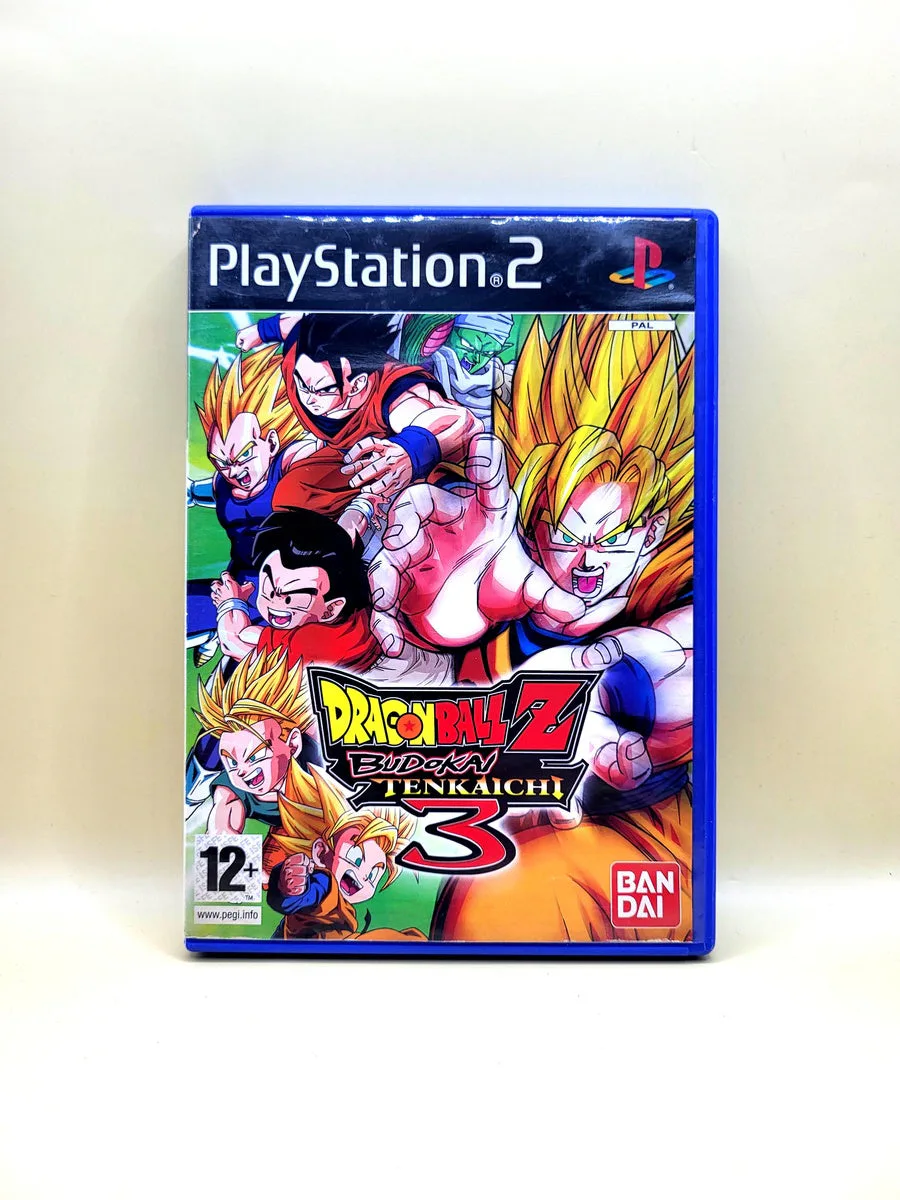
This product is like new. At NexWave Games, like new means:
Additionally, all discs at NexWave Games are carefully inspected and assessed for quality. When discs arrive, we do not accept any that are so badly damaged that they are unlikely to work. We only accept discs with light scratches at most. Discs with scratches are then treated in our professional disc repair machine. By warming the disc and polishing it with soft brushes, these machines can remove a very thin layer from the disc. This removes the layer containing surface scratches and improves the disc’s readability. This ensures the disc works properly, even on consoles with ageing lasers that have difficulty reading games! Great news for the player.
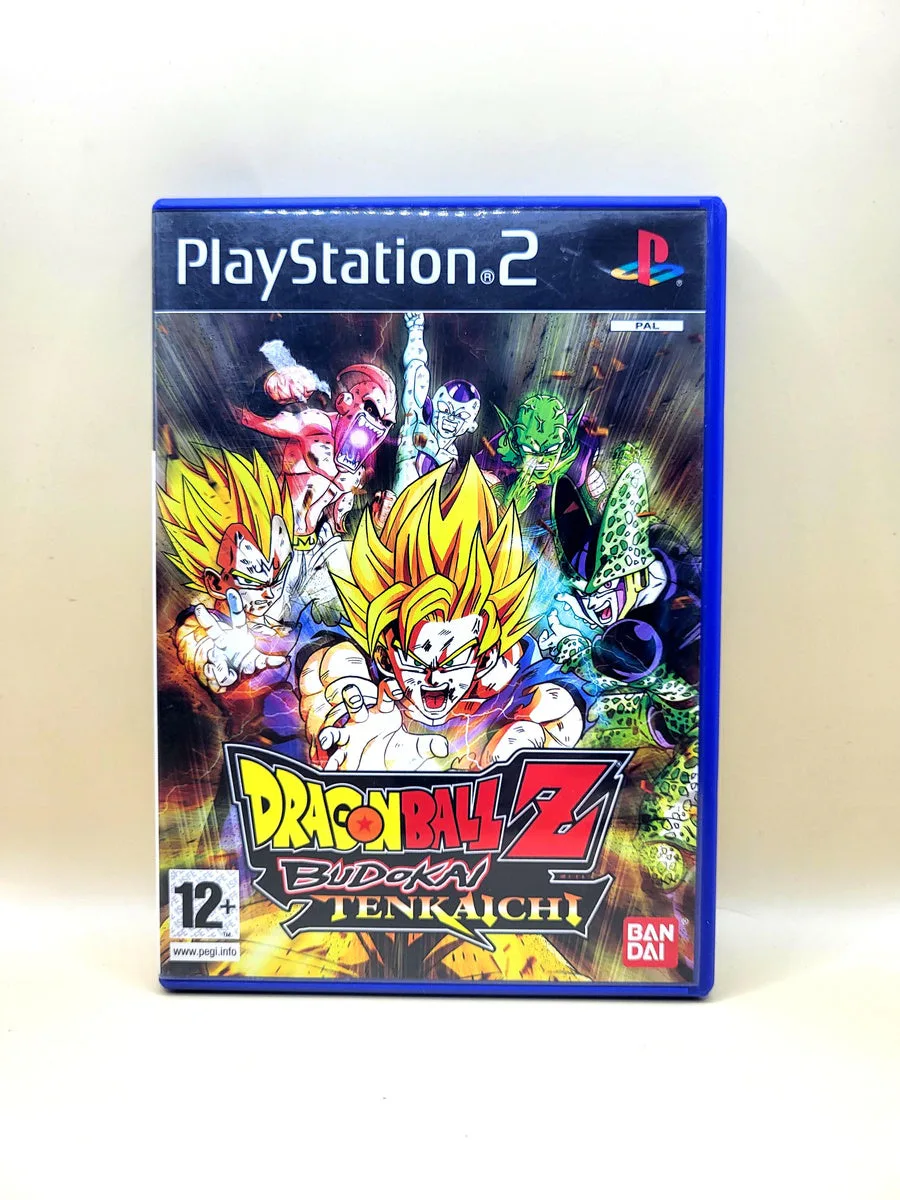
Dragon Ball Z: Budokai Tenkaichi for PlayStation 2
Dragon Ball Z: Budokai Tenkaichi for PlayStation 2 is an arena fighting game viewed from behind your character as you move through large three-dimensional areas. You can fight on the ground, in the air and underwater. Terrain and distance matter alongside familiar energy attacks. Its structure therefore differs from earlier Budokai games’ more compact duels, despite the similar name.
At close range you use melee combinations; farther away, ki attacks and finding an opening become more important. You must locate your opponent, build energy and avoid being caught unprepared. The space between fighters therefore changes constantly. Firing a major attack is only one part of a duel: approaching, evading and choosing the right distance again also determine whether your plan works.
Z Battle Gate divides the story into individual battles with objectives drawn from familiar sagas. You can also practise and fight a second player locally, each using a controller with split-screen display. In this first Tenkaichi game, different character forms are treated as separate selections; do not automatically expect later entries’ in-battle transformations. Standard, Platinum and No Manual listings remain the same game, with separate information about the booklet.
Region and language
Our PlayStation 2 games are PAL editions and come with a Dutch or English box, unless stated otherwise. By default, you receive the version for the European market. We note it in the product details if the region is different or the box is in another language. In almost all cases, the game is playable at least in English, and often in the other five common European languages too.
Manual
The manual is missing from this copy of Dragon Ball Z: Budokai Tenkaichi for PlayStation 2. That is why the product title says “No Manual”. You receive the game in its box, without the instruction booklet. This makes the contents clear before you order.
The original printed manual usually contains at least English and often around six European languages. The languages vary by edition; Dutch is not always included. This information describes the original booklet and does not mean that it comes with this copy. A copy with a manual is offered separately when available.
The history of Dragon Ball Z: Budokai Tenkaichi
Atari released Dragon Ball Z: Budokai Tenkaichi for PlayStation 2 in 2005. Spike developed this new direction, while Dimps had made the earlier Budokai entries. The starting point shifted from direct duels along a fixed fighting line to flying and fighting in larger arenas. The publisher emphasised destructible settings and battles at different heights. Familiar characters and attacks remained, but perspective and movement space changed their use.
Z Battle Gate offered recognisable confrontations instead of Budokai 3’s world map. Retelling the sagas remained important, but the connection between battles took a different form. Players also had to learn to track an opponent in a larger environment. Gathering energy at a distance and then closing in involved a different approach to positioning. The first Tenkaichi thus laid the foundations for a separate PS2 trilogy.
The sequels from 2006 and 2007 expanded that foundation in different ways. Tenkaichi 2 linked arenas through a world map and enabled in-battle transformations. Tenkaichi 3 expanded the selection and additional challenges. The first entry preserves a distinct phase: choosing forms beforehand and experiencing separate confrontations through Z Battle Gate. It shows Spike’s first step in making distance, height and pursuit regular parts of a Dragon Ball duel.
Similar games for PlayStation 2
Dragon Ball Z: Budokai 3 and Budokai Tenkaichi use the same world for different duels on PS2. Budokai 3 emphasises combos, capsules and a world map between battles. Tenkaichi makes the arena much larger and lets you fly during combat. Its first entry also selects forms beforehand, whereas Budokai 3 has transformations within fights.
Dragon Ball Z: Budokai Tenkaichi and Budokai Tenkaichi 2 share flight and combat in large arenas on PS2. The first organises its story through Z Battle Gate and has you select character forms beforehand. Tenkaichi 2 adds in-battle transformations and Dragon Adventure’s world map. Expansion therefore affects decisions during fights as well as the journey between them.
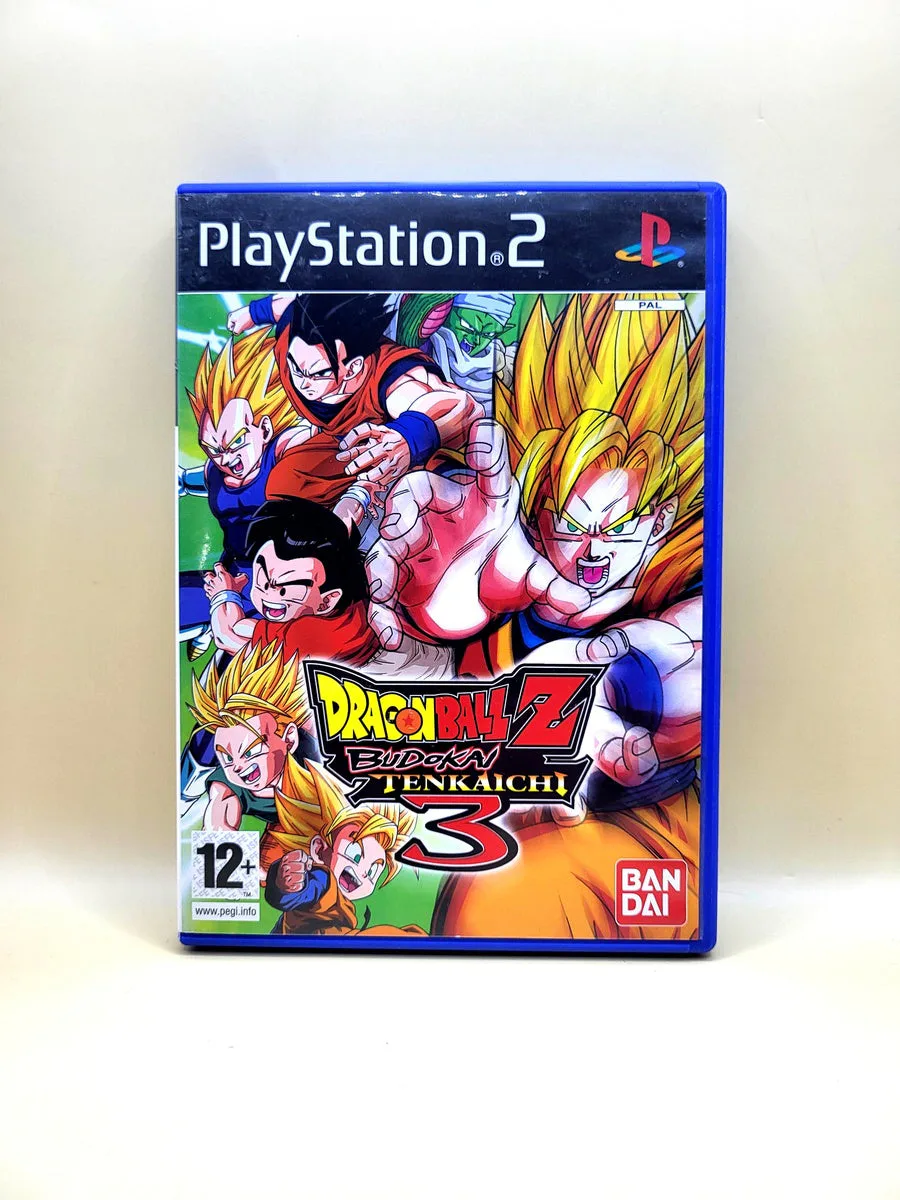
Dragon Ball Z: Budokai Tenkaichi and Budokai Tenkaichi 3 let you pursue opponents at different heights on PS2. The first introduces that arena approach and groups story battles in Z Battle Gate. The third has a larger selection, different challenges and Dragon History. A separate first Tenkaichi disc can also unlock optional Disc Fusion content in the third entry.
Tekken 5 also uses three-dimensional fighters and requires timing for combos and defence on PS2. The Budokai Tenkaichi games instead offer much greater distances, flight and ki attacks viewed from behind a fighter. Tekken keeps duels more closely centred on both opponents. Positioning remains important, but does not involve the same pursuit across a large space.
Soulcalibur II also allows sidestepping and thinking about space around an opponent on PS2. Weapons, close fighting distances and dangerous arena edges give this a different meaning from Budokai Tenkaichi, where flight and energy attacks create larger movements. Both reward reading an attack, but your response depends on very different distances and movement options.