
Gaming history · NexWave Games
Pikmin started in the garden: where Miyamoto gets his game ideas from
A garden may seem like a modest starting point for an adventure with a stranded space explorer. Yet that is precisely where the appeal of Pikmin lies. Once you become small enough, an ordinary environment turns into a landscape of obstacles, threats and opportunities. Shigeru Miyamoto's interest in gardening inspired that world. The first Pikmin shows how you can turn attention to something everyday into your own game.

A hobby as a starting point
Nintendo makes the connection itself explicitly. In an Iwata Asks discussion about Wii Fit, Pikmin is mentioned as a game that grew out of Miyamoto's activities in the garden. The conversation also mentions his dog as an inspiration for Nintendogs and tracking his weight as a trigger for ideas around Wii Fit.
That does not mean that such a game will automatically arise as soon as someone has a hobby. The step from observation to action is especially interesting. What activity do you want to do yourself? What should you pay attention to? What decision could change the next moment? At Pikmin, those questions become visible in the way you lead a small group of beings through a large environment.
A garden on a different scale
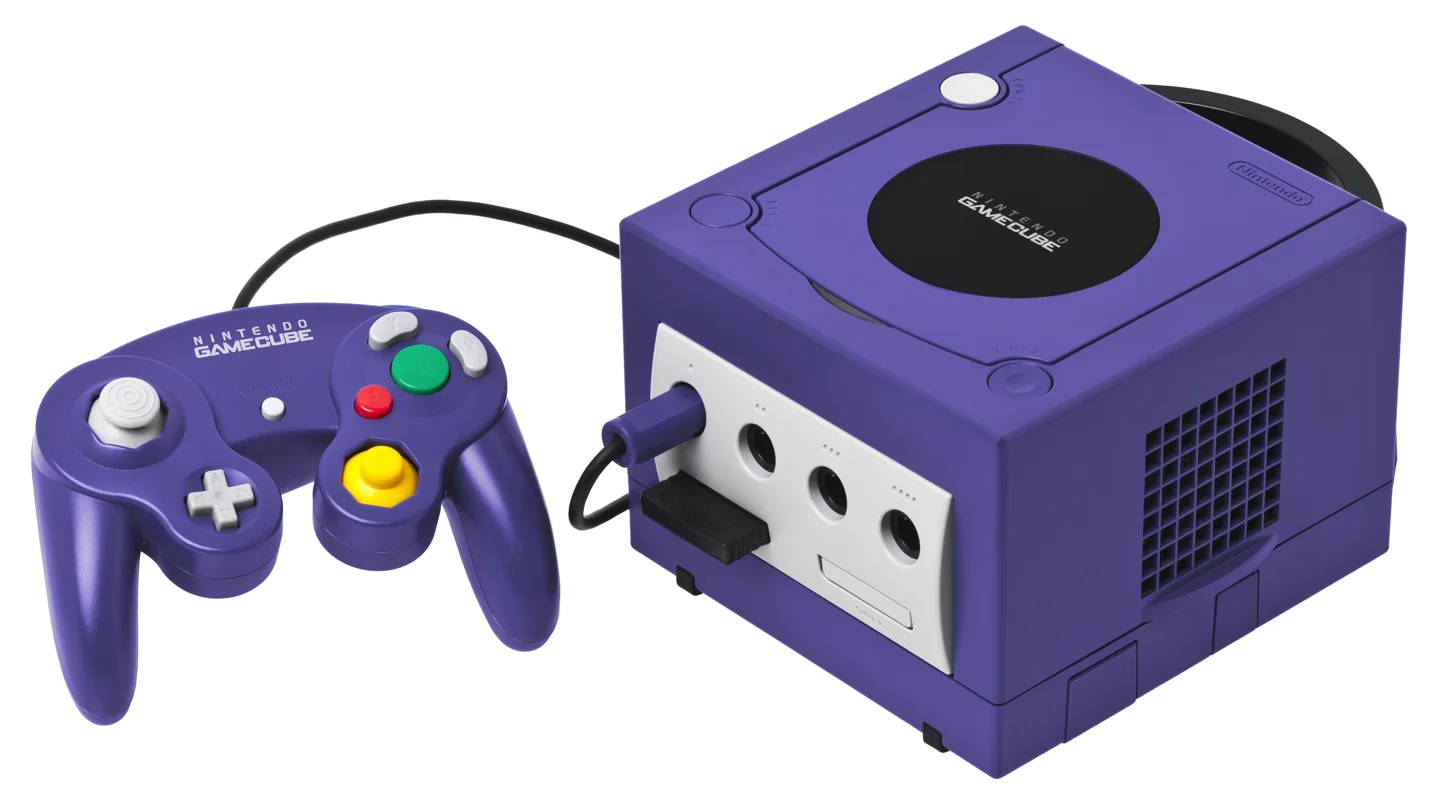
In the original GameCube game, Captain Olimar crashed. Parts of his spaceship are scattered, and the plant-like Pikmin helps him find them. From his small perspective, the environment becomes a completely unknown world. Ordinary height differences or a piece of water suddenly have major consequences.
That difference in scale invites you to take a closer look. A space is at the same time a route, a workplace and a possible hazard. A group transporting an object may be vulnerable along the way. An enemy that seems enormous to Olimar requires preparation. The cheerful creatures make it attractive to go out, while their vulnerability gives weight to your decisions.
You work with a group, not with one hero
The first Pikmin uses red, yellow and blue Pikmin with different properties. Red Pikmin can withstand fire, blue ones can go into water and yellow ones play a role in using bomb bricks in this original game. That gives you concrete reasons to change the composition of a group.
The challenge then lies in organizing. Who can tackle this obstacle, how many helpers will you send and where is still work waiting? Your attention constantly shifts between the environment and your group. That makes a small discovery satisfying: you see an opportunity and can immediately adjust your approach. A better route is something you learn to recognize yourself.
Why this idea continues to invite
Pikmin lets you read an environment as a collection of related problems. Clearing a passage can make a later trip easier. Getting helpers to the right place can be more important than walking quickly yourself. The game idea therefore has room for curiosity and the pleasure of a plan that works.
Those who want to discover the series physically can find various generations on GameCube, Wii U and Switch, among others. Always check the exact title and platform for a game on offer; the skills and rules differ per part. As you play, pay particular attention to how an everyday environment becomes an adventure. It is precisely this different view that makes the origin in Miyamoto's garden so appropriate.