
Gaming history · NexWave Games
The Wind Waker: How Nintendo turned Zelda into a playable cartoon
You can often recognize The Legend of Zelda: The Wind Waker from just one image. Big eyes, clear areas of color and a blue sea give the adventure a distinct appearance. That style also determines how the game moves and conveys information. Behind Toon Link's friendly face is a carefully designed way to make a world understandable and alive. That starts with a surprising choice during development.

An unexpected direction for Zelda
When Nintendo showed off the new Zelda in 2001, many players expected a different visual direction. An earlier demonstration had shown a more detailed Link that built on Ocarina of Time. The final GameCube adventure emphatically opted for stylized figures and an appearance reminiscent of an animated film.
In a later Iwata Asks interview, the creators say that a new drawing by Link gave the team some ideas. Enemies and movements quickly took shape around that design. The appearance was therefore part of the invention of the game: a different Link made other actions and encounters conceivable. The original adventure was released in Europe in 2003.
What that cartoon style actually does
The technique used, cel-shading, makes three-dimensional shapes look as if they were drawn. So you just play in a world with depth. The simplified shadows and clear shapes ensure that characters and objects have their own, immediately recognizable appearance.
The designers explain that the style also helped them make puzzles readable. An object that you can do something with should stand out without feeling strange in its environment. There is room for that in such a highly stylized world. As a player you do not need to know graphic technology to benefit from it: your attention is focused on movement, form and interaction.
Notice Link's eyes
Toon Link tells a lot with his face. His large eyes and mobile mouth make surprise, concentration or tension clearly visible. The makers consciously expanded the possibilities for those expressions. This gave Link a presence that is easy to follow for someone next to the player.
His look can also provide a clue. When he looks at something, it is a reason to take a closer look yourself. This is how personality and game explanation work together. That makes replaying interesting: pay attention not only to the space in a puzzle, but also to the way in which Link reacts to it. His face is part of the information the game gives you.
A world with its own face
A sea full of islands gives adventure space to build discovery and anticipation. In that clear decor, silhouettes and colors remain important. The distinct figures ensure that a short encounter can have its own atmosphere, without each character needing extensive explanation.
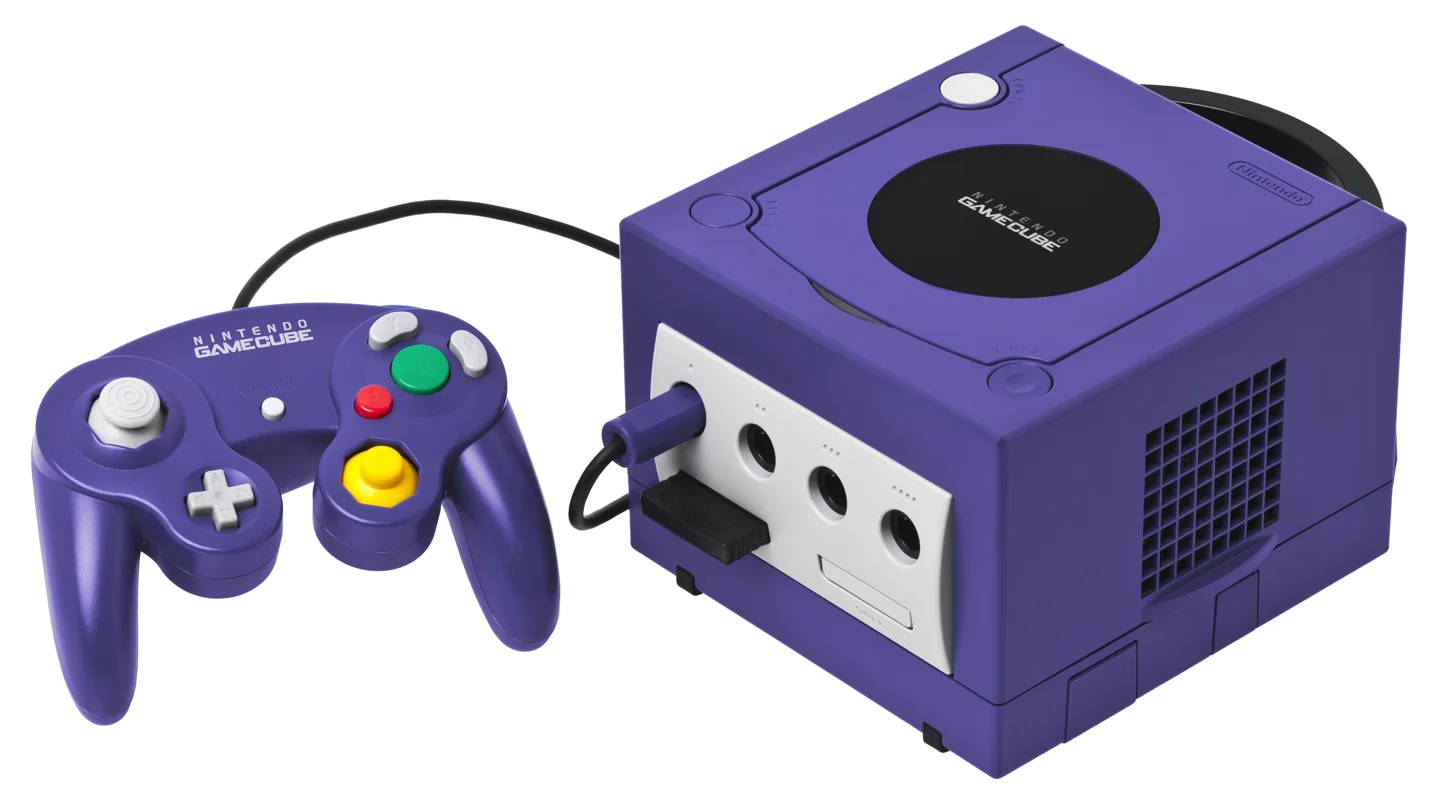
Those looking to explore the game physically can search for the original GameCube release or The Wind Waker HD for Wii U. Check which console version is actually on offer. Both show how strongly the chosen visual language is part of this adventure. While playing, pay particular attention to the small reactions and movements: that is where the cartoon world becomes tangible.