This product is like new. At NexWave Games, like new means:
Additionally, all discs at NexWave Games are carefully inspected and assessed for quality. When discs arrive, we do not accept any that are so badly damaged that they are unlikely to work. We only accept discs with light scratches at most. Discs with scratches are then treated in our professional disc repair machine. By warming the disc and polishing it with soft brushes, these machines can remove a very thin layer from the disc. This removes the layer containing surface scratches and improves the disc’s readability. This ensures the disc works properly, even on consoles with ageing lasers that have difficulty reading games! Great news for the player.
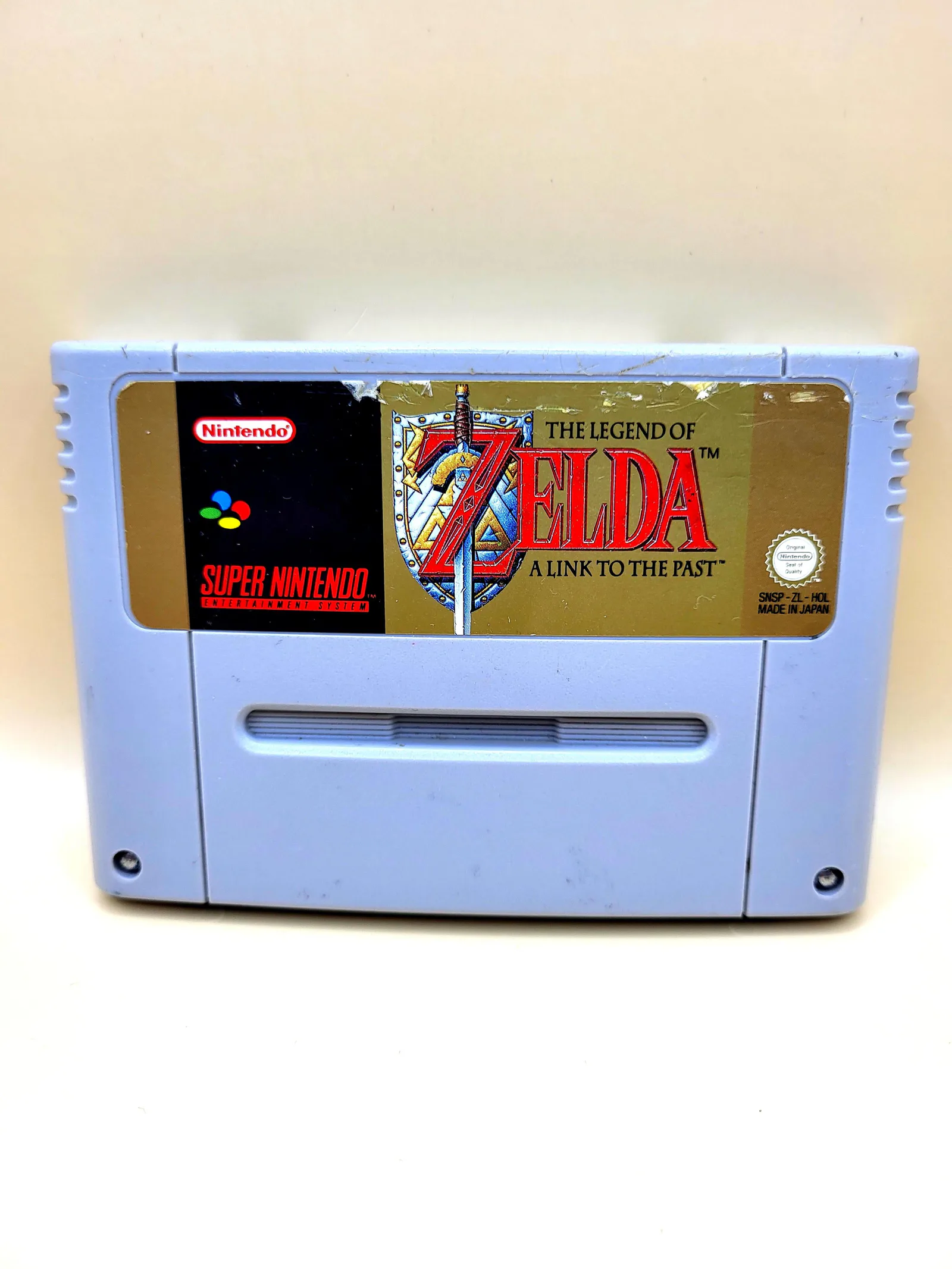
The Legend of Zelda: A Link to the Past for Super Nintendo SNES
The Legend of Zelda: A Link to the Past for Super Nintendo SNES begins with a cry for help from Princess Zelda on a stormy night. As Link, you leave your house and sneak into Hyrule Castle. This action adventure uses an overhead view: you explore forests, villages and dungeons, fight with your sword and find items that let you progress. Behind the rescue lies a greater danger involving the wizard Agahnim and Ganon.
In dungeons you find keys, maps and a major item that often provides the solution to the next obstacle. The Hookshot, for example, carries you across gaps, while bombs open certain walls. You also need to find switches, push blocks and account for floors stacked above each other. Later you travel between the Light World and Dark World. The same place can have a different layout there, sometimes letting you reach a blocked route through the other world.
You play the entire adventure alone with one standard SNES controller. Pieces of Heart extend Link's life meter, and additional equipment helps in combat and exploration. Away from the main route are caves, fountains and hidden treasures worth a second visit. You save your progress on the cartridge through the save menu. When you resume, you start at one of the fixed starting locations or at the dungeon entrance, not necessarily where you stopped.
Region and language
Our Super Nintendo SNES games are PAL editions, unless stated otherwise. This product contains a loose cartridge for the European market. A box is only included if explicitly stated in the product details. We note any different region in the product details. In almost all cases, the game is playable at least in English, and often in the other five common European languages too.
Manual
With The Legend of Zelda: A Link to the Past for Super Nintendo SNES, you receive a loose cartridge. A box and manual are not included unless we explicitly state otherwise in the product details. This is the standard way we supply this copy.
The history of The Legend of Zelda: A Link to the Past
Nintendo released A Link to the Past in Japan in 1991, followed by Europe in 1992. It was the first Zelda game for Super Nintendo and the third original instalment in the series. Following Zelda II's side-view battles, the series returned to a largely overhead perspective. Nintendo combined that view with a larger selection of tools and dungeons that sometimes connect several floors. Link could therefore open new routes without every obstacle having to be a battle.
Takashi Tezuka later explained in Nintendo's Iwata Asks that he joined the project as director during development. SRD programmer Kazuaki Morita also worked on it. Their collaboration produced a world where items act both as practical tools and as keys to new areas. The Hookshot, Pegasus Boots and Master Sword made their series debut here. That sword in particular, and travelling between two related worlds, would become recognisable elements of later Zelda games.
The SNES release tells one continuous single-player adventure, with progress saved within the game itself. The later Game Boy Advance adaptation added Four Swords as a separate multiplayer game; that component is not part of this cartridge. The rental systems and ability to become a wall painting in A Link Between Worlds also belong to a later game. Here you solve the dungeons using the original SNES equipment and the interaction between the Light World and Dark World.
Similar games for Super Nintendo SNES
Secret of Mana for SNES also lets you fight directly from an overhead view and explore new areas, much like A Link to the Past. However, you control a party with different weapons and spells, and other players can take over characters. Zelda keeps Link on his own. Dungeon puzzles, keys and tools shape his route more than training weapons and magic does in Secret of Mana.
Illusion of Time on SNES likewise combines conversations, combat and puzzles in ancient ruins. Will gains other forms with their own abilities, whereas Link mainly collects new items. Both make you think about unreachable places, but Illusion of Time follows a more defined journey around the world. A Link to the Past gives you an interconnected Hyrule where you regularly revisit earlier locations and search for hidden entrances.
Terranigma for SNES also uses an overhead view and direct combat during a long journey. Ark can jump freely and earns experience points that make him stronger. Link grows mainly through Pieces of Heart, weapons and other equipment. Terranigma also concerns restoring life and developing towns. Zelda builds its adventure more explicitly around dungeons and the ways two versions of Hyrule complement each other.
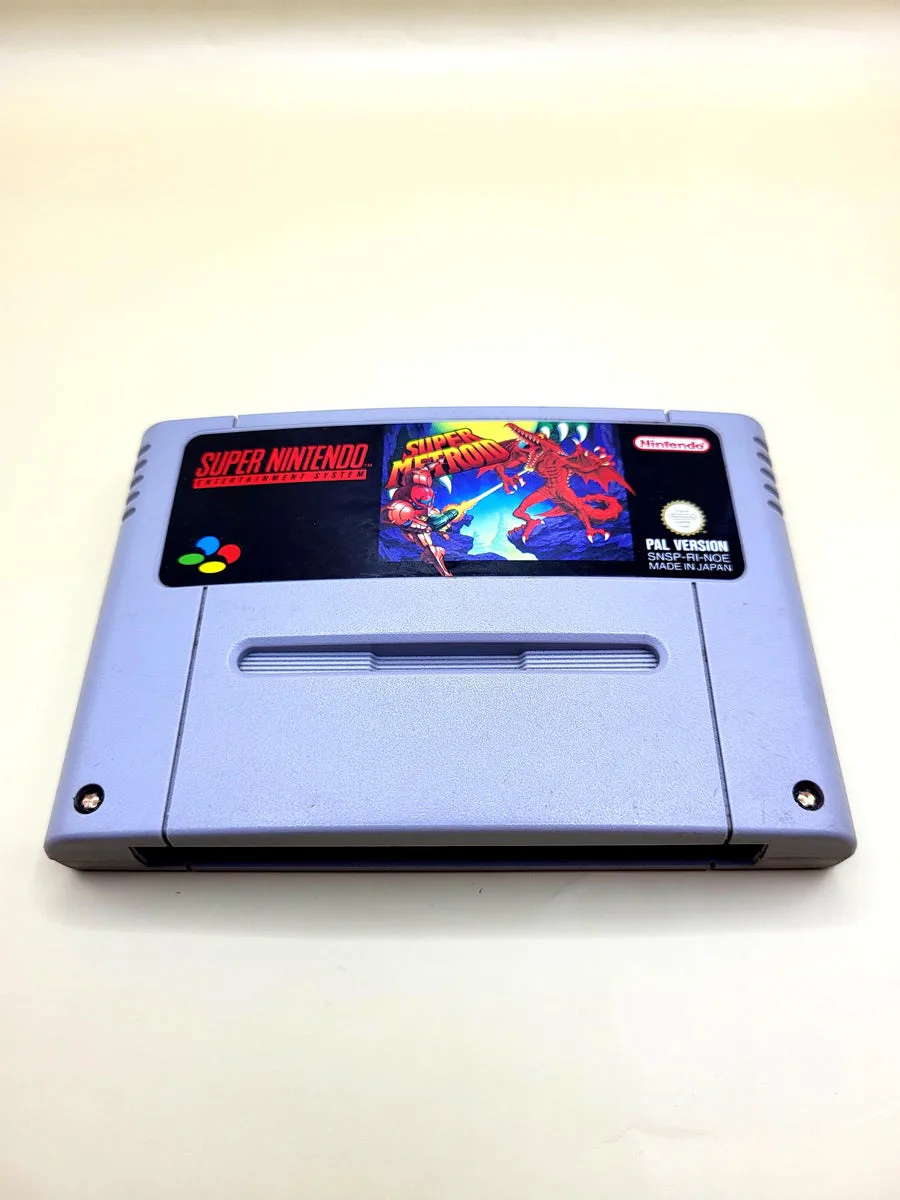
Super Metroid on SNES shares the search for equipment that opens blocked routes. Samus, however, sees her surroundings from the side and uses jumps, missiles and suit upgrades to progress. Link searches for keys and tools in separate dungeons. Both reward returning with new abilities, but the underground areas of Zebes form a different kind of maze from Hyrule's villages, fields and two worlds.
Secret of Evermore for SNES links an overhead action adventure with puzzles and a story spanning different eras. A boy and his dog travel through that world together and use alchemy that requires collecting ingredients. A Link to the Past follows Link alone and gives each new tool a clear use in the environment. Zelda asks for less management of spell ingredients and more spatial puzzle-solving in its dungeons.