
Choosing guide · NexWave Games
Which NES Super Mario game suits a beginner?
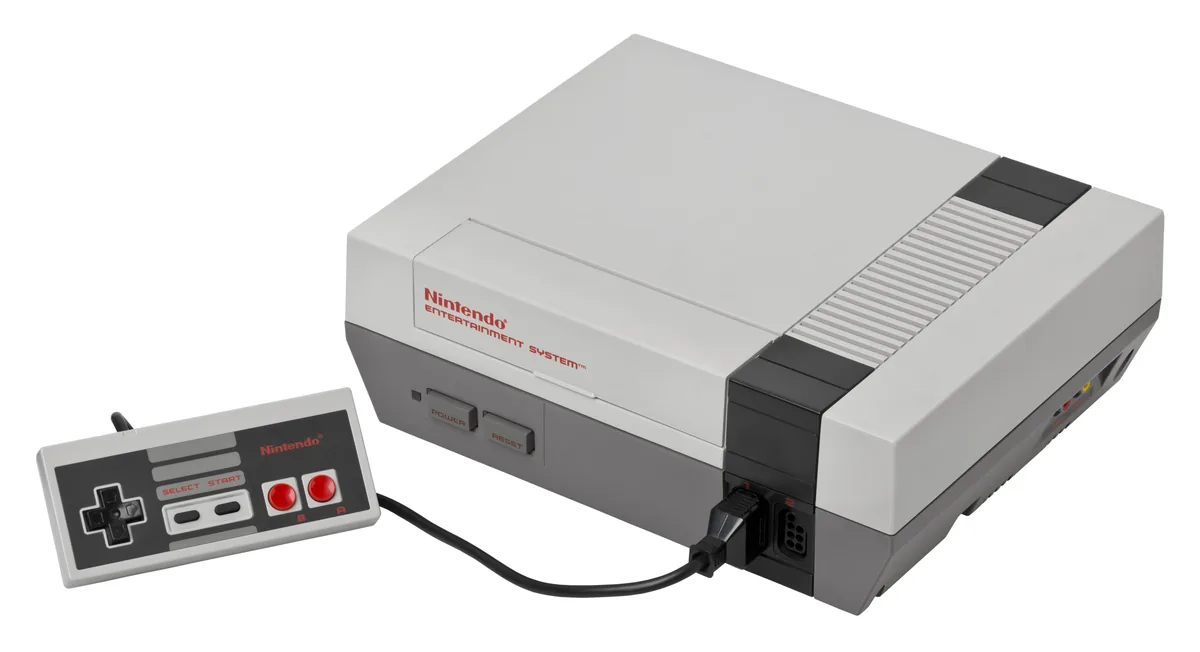
Three familiar Mario games, the same NES controller, yet three different experiences. Super Mario Bros. teaches running and jumping with just a few buttons. Super Mario Bros. 2 lets you lift vegetables and enemies, while the third game adds a world map and more helpful items. The best starting point depends on what you want to learn and how much variety you enjoy. The famous first game is not automatically the easiest choice for every beginner.

Super Mario Bros.: start jumping straight away
The first Super Mario Bros. has a clear foundation: move right, jump gaps and avoid enemies or land on their heads. You do not need to understand a map or inventory before starting. The first level gives you room to feel the difference between walking and running. The game then demands increasingly accurate timing. Few buttons make the explanation short, but do not make the whole game easy.
Choose this game if you want to learn the original style and do not mind practising sections again. A failed jump often becomes easier once you understand speed and distance. Do not expect modern rewinding or unlimited quick saves on an original NES. In two-player mode, Mario and Luigi take turns; you do not run through the same level together at the same time.
Super Mario Bros. 2: a different approach
The European NES version of Super Mario Bros. 2 plays differently from the first game. You pull vegetables from the ground and lift certain enemies to throw them. Simply landing on an enemy is therefore not the same standard attack as before. Four playable characters have different abilities. Peach, for example, can briefly float, helping you adjust where a jump will land.
That makes the second game interesting if you enjoy trying characters and exploring a little more. You do need to learn additional actions, including lifting, throwing and using doors. Do not choose it solely because the number 2 suggests the natural next lesson. Also check the name when researching: the European and American Super Mario Bros. 2 is a different game from the Japanese sequel later known as The Lost Levels.
Super Mario Bros. 3: short stages and plenty of variety
The third game gives you a world map, different routes and items to use between stages. Familiar jumping challenges return, but with more environments and power-ups. That variety can be encouraging when you mainly want to discover what Mario can do. The map does add choices, and some later stages require considerable practice. More helpful items do not automatically make every section easier.
For many beginners, the third game is an appealing choice for a substantial Mario adventure; the first offers a simpler explanation of the basics. Choose the second for its different style and characters. Try a short session without immediately making the ending your goal. When buying used, check which game the cartridge actually contains: a compilation cartridge including Duck Hunt, for example, is not the same as an individual game in the series.