
Gaming history · NexWave Games
Super Mario 64: How Nintendo Reinvented Mario for Three Dimensions
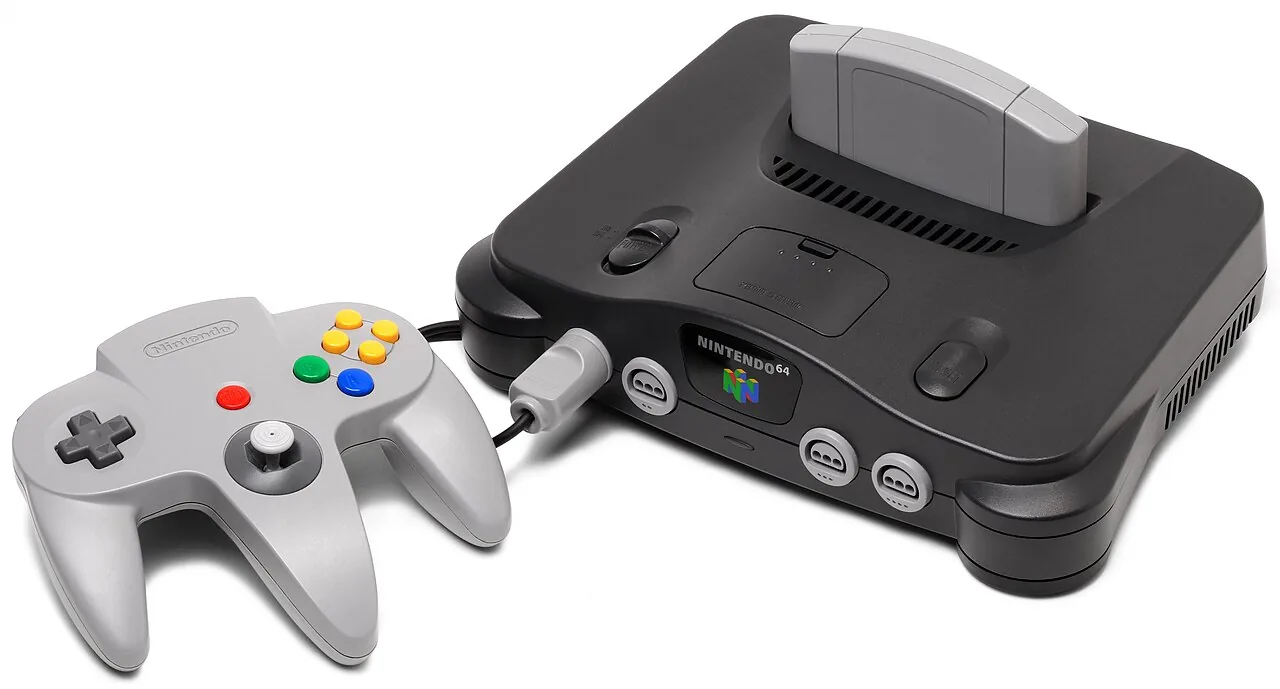
For Super Mario 64, Nintendo had to figure out more than what Mario looked like from behind. In a three-dimensional environment, distance, direction and overview constantly change. The player must be able to understand where a jump ends and where there is still something to discover. The Nintendo 64 adventure, which was released in Japan in 1996, provided a recognizable answer to this: an agile Mario, a castle to explore and worlds in which you return several times.

Exercise itself becomes an activity
In an environment with depth, the route to a platform suddenly has multiple sides. Mario can walk around, speed up, jump and reposition himself. Backflips and wall jumps give you different ways to gain height. These exercise options make exercise part of the fun.
You notice this even before a complicated assignment is needed. Try a slope, an edge or a small elevation change and you'll learn something about distance and timing. The game offers space to build up that knowledge yourself. An environment that initially seems large and unclear gradually becomes an area where you recognize the possibilities.
The camera is part of the adventure
When jumping to three dimensions, the pixel must also move. The camera determines how much you see of a platform and how clear a distance is. In Super Mario 64 it is therefore useful to sometimes improve your vision before taking a leap.
Height and distance are sometimes difficult to estimate on a flat screen. Anyone who plays the game again now will notice both the ambition and the limitations of that early approach. An awkward angle can work against you. Taking a look around and preparing a route helps you understand the game on its own terms. Here too, attention to the environment often yields more than haste.
The castle arouses curiosity
Peach's castle is the connecting place between the worlds. You reach many levels by jumping into a painting, while other entrances are more surprisingly hidden. Collected Power Stars open doors and provide access to more areas. The building therefore becomes a clear way to see your progress.
According to the original manual, there are fifteen main levels and several smaller areas. There are multiple assignments within a level, so that the same environment returns with a different goal. You don't have to find everything right away. A star that still seems difficult can wait while you continue looking elsewhere. This gives curiosity an important place in addition to the technical challenge.
A familiar level gets a new goal
Super Mario 64 contains 120 Power Stars. The search takes you back to places you already know, but each time asks you to look differently. A route, hidden corner or move that seemed unimportant before could be exactly what you need later.
That makes the original attractive to re-examine. Choose an area and try to get to know the space first, without immediately ticking off every star. If you are looking for a physical copy, pay attention to the platform: Super Mario 64 for Nintendo 64 and Super Mario 64 DS are separate editions. The original cartridge shows how Nintendo brought together free movement and repetitive exploration into a new form of Mario.