
Collector's Guide · NexWave Games
PlayStation 1 Platinum or original edition: which one do you choose?
You will find an old PlayStation favorite and the same title twice: one with the familiar original cover and one with a silver Platinum edge. The second is sometimes more attractively priced, but what do you turn in for it? The answer depends on whether you want to play or put a specific edition on the shelf.
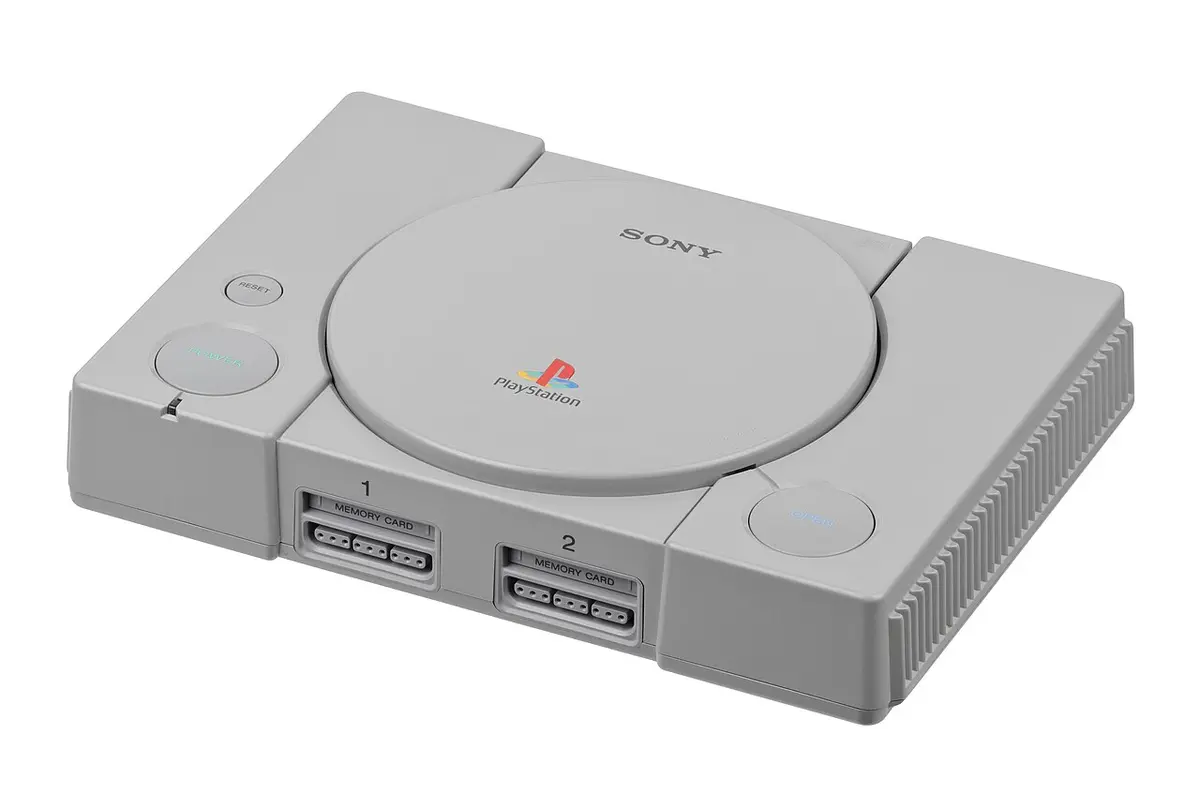

What does Platinum mean on a PS1 game?
Platinum is the recognizable reissue line of successful PlayStation games in Europe. With a European PS1 release, you usually see a silver border and a Platinum designation on the cover or disc. The original edition has the first design of the game. For a player it is especially important that the right game is on a working disc, not which edge the box has.
Don't blindly assume that every reissue is identical in every detail. The printing of the manual, back of the cover, language listing and sometimes the software version may vary per edition. If you want to collect one specific version, check photos of the copy yourself and ask for the product code on disc and box. A general stock photo says too little.
Play or collect: another starting point
If you want to restart Crash, Tekken or another old favorite game, a decent Platinum release can be a nice choice. Check the disc and language you want, and then let your choice depend on the state and price of the actual offer. A damaged original release is not automatically more fun to play than a clean reissue.
For a collector, the original design often counts. Maybe you're looking for the cover that used to be in the store or you want a series with similar backs on the shelf. That's a personal preference, not a technical condition to start the game. Capture for yourself whether the first edition, a particular country version or simply a complete set is your goal.
What are you looking at at a second-hand PS1 game?
Ask for pictures of the front, back, open box and the bottom of each disc. Compare the platform and region designation with your console. A European packaging may contain a different language than you expect; check the text on the cover and if necessary the start screen. For multiple disc games, all disks must be present. The beautiful box does not help you halfway through an adventure if a disc is missing.
Also look at the manual. 'Complete' should clearly mean what is really in an ad. Damaged hinges of a PS1 box are often visible, but the state of the disc and the correct content determine whether you can play with pleasure. If in doubt, ask for a short test on a console.
Which edition suits you?
Looking for the cheapest way to find a playable classic, compare both editions on state, content and asking price. Just collect the original sequence, consciously choose the desired cover and check the details of that one. A Platinum label is not a sign of a fake game; it is another release. The best purchase is the edition you know exactly what you get.