
Buying guide · NexWave Games
What do cartridge codes tell you about a game edition?
You find a loose cartridge of a game you have wanted for years. The title matches, but there is a string of letters and numbers at the bottom of the label. That small product code can help you compare the edition on offer. You just need to know which questions it answers and when you need more information.

Start with the platform and the complete code
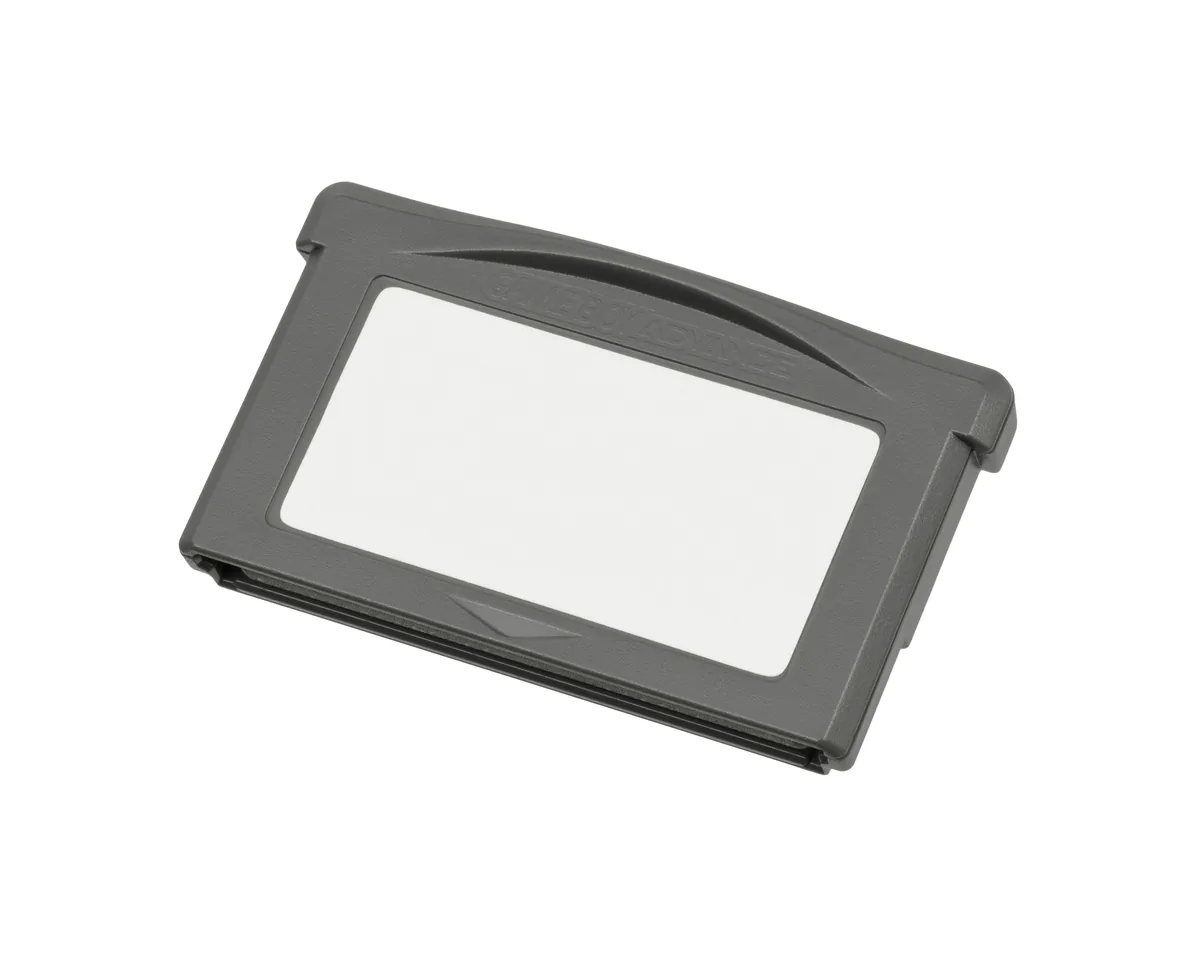
Write down the full text on the label and take a clear photograph. Many Nintendo cartridges have recognisable platform identifiers, such as AGB for Game Boy Advance. The rest of the product code helps you look up a particular game edition. Copy every character; even one different letter can matter when you compare copies.
Do not confuse this code with every other number on the shell. A moulded number may identify a component, while a small stamp can serve another purpose. Different Nintendo generations also use different formats. You therefore cannot apply an explanation for a DS cartridge to a Game Boy game without checking.
Compare the cartridge, box and manual
Look for information about the same title, platform and edition. Official manuals provide a useful starting point. Then compare the cartridge with the box and booklet offered with it. A difference is a reason to ask more questions, but it does not by itself prove that a component is incorrect or counterfeit.
Packaging and manuals may have been printed for different countries while a game was sold across several markets. A previous owner may also have combined separately acquired parts. If matching components matter to your collection, request photographs of all the codes and assess the set as a whole. A front-cover photograph alone is not enough.
A regional code does not automatically reveal the game language
Letters referring to a market or edition are not a complete language list. A European copy might have English text, while another edition includes more languages. The packaging language may also differ from the game itself. Check your preferred language for the specific title and ask to see the language menu if you are unsure.
Treat language and compatibility with your console as separate questions. Which cartridges a handheld supports depends on the system and type of game. Nintendo provides separate compatibility information. A product code helps your search but does not replace that check. Write your own console model alongside the cartridge code you found.
Use the code as one clue when buying used
A correct code does not prove that a cartridge is genuine. A counterfeit label can display the same characters as a real edition. Also inspect the label, shell and clear photographs of the actual item. If necessary, a knowledgeable specialist can assess additional features. Do not reach a final conclusion from a stamp or typeface alone.
Finally, ask whether the game starts and, where relevant, saves progress. These are different checks from identifying the edition. Keep the photographs and description with your purchase records. You will then know which copy you bought and can search more precisely for a matching box or manual later.